

A fresh report has warned that ongoing conflict in the Middle East could slow economic growth across Africa by up to 0.2 percentage points. The findings highlight growing pressure on economies that are still recovering from recent global shocks.
The report was presented on April 15, 2026 in Washington, D.C. by the African Union Commission, the African Development Bank Group, the United Nations Economic Commission for Africa and the United Nations Development Programme. It notes that African economies remain vulnerable to external disruptions.
Experts say the crisis is pushing up prices of fuel, food and fertilisers. It is also disrupting trade and supply chains while increasing pressure on foreign exchange markets. These shocks are already affecting several countries across the continent.
Claver Gatete, Executive Secretary of the ECA, said Africa relies heavily on imports from the Middle East. He noted that about 80 percent of oil imports and half of refined petroleum come from the region. He added that 31 African countries are already facing currency depreciation.
The report links part of the disruption to the closure of the Strait of Hormuz, a key global shipping route. Officials say this has raised transport costs and slowed trade flows.
Despite the challenges, African leaders say the continent can manage the shock with the right policies. Kevin Urama of the African Development Bank urged governments to stay calm and avoid rushed decisions that could harm public finances.
The report advises governments to manage inflation carefully and protect vulnerable groups through targeted support. It also warns against wide subsidies that could worsen debt levels. Instead, countries are encouraged to diversify energy and food sources.
Officials also called for stronger regional trade and faster implementation of the African Continental Free Trade Area to improve resilience. They urged investment in renewable energy and local industries to reduce dependence on imports.
Global partners have been asked to provide urgent financial and technical support to help African economies cope with the crisis. Leaders stressed that coordinated action is needed to protect development gains.
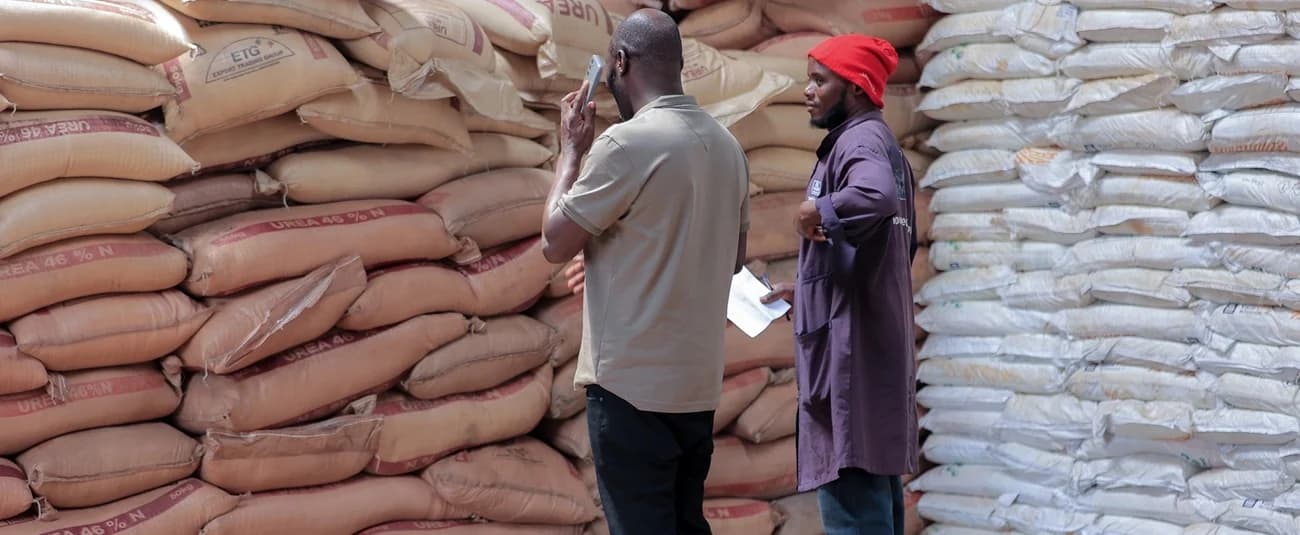
One anticipated impact in Africa of this war is a surge in the price of agricultural inputs just as the farming season begins in many regions of the continent.
Photo: AfDB/websiteA new report warns that Middle East tensions could slow Africa’s growth, raise prices and strain economies already under pressure.
Advertisement
N
Nicholas Agaba
Author
Topics
Advertisement