Makerere University has ordered its doctoral scholars to halt academic research tailored purely for publication and instead develop empirical innovations that solve Uganda's immediate socio-economic challenges.
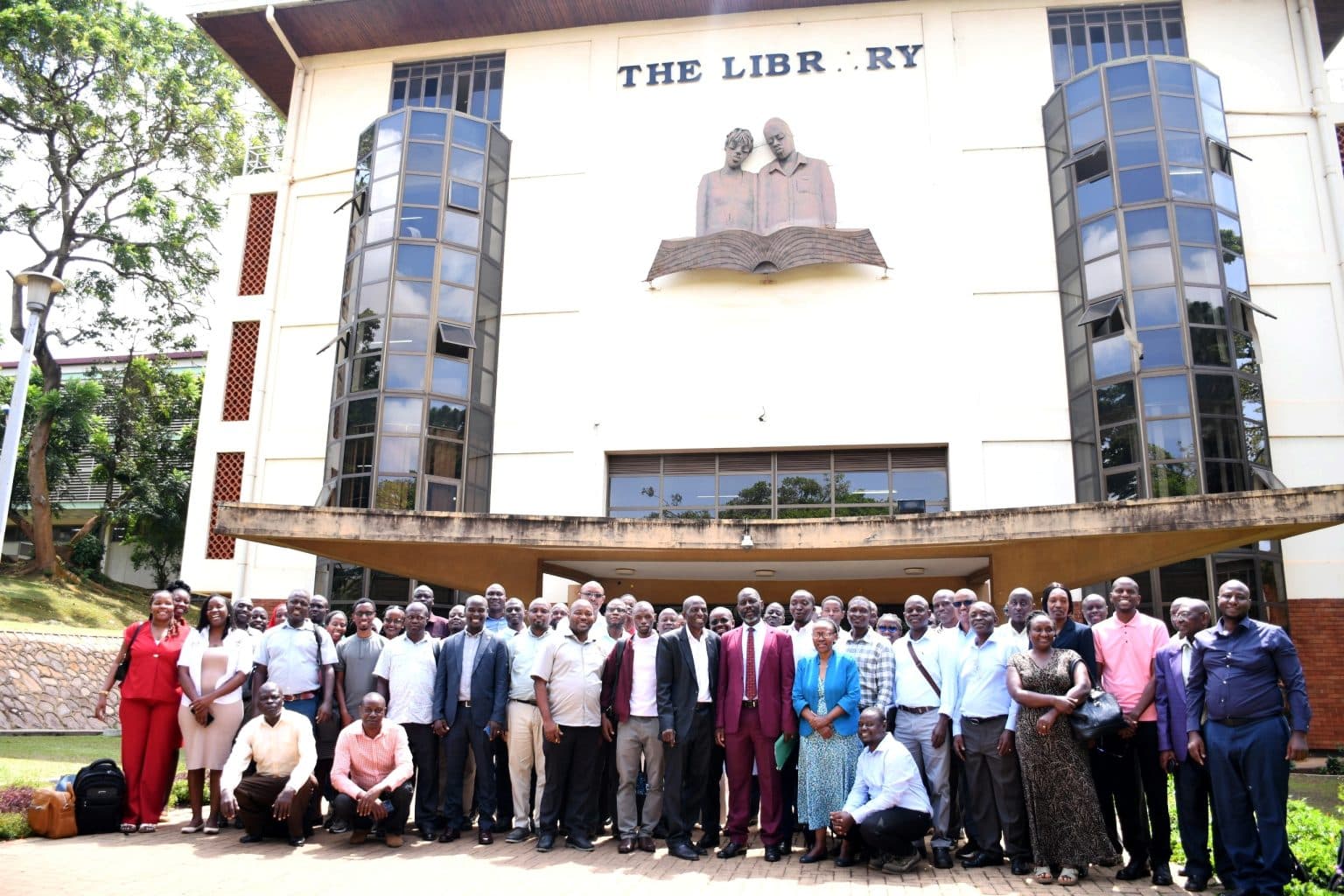
The Director of Graduate Training, Prof. Julius Kikooma, delivered the mandate on Monday during the closure of an intensive 10-day PhD cross-cutting training in Advanced Research Methods. Held at the university's Main Library, the blended seminar drew over 250 doctoral candidates participating both physically and virtually. The Directorate of Graduate Training organized the workshop with financial and technical backing from iCARTA to upgrade institutional research capacity. Prof. Kikooma stated that the university is aggressively shifting away from old-fashioned paradigms where postgraduate study existed simply for degree attainment.
The Graduate Director revealed that the university has instituted a new operational theme, "Postgraduate Research for Transformation," to align all upcoming dissertations with national development goals. He explained that modern cross-border challenges require interdisciplinary collaboration rather than isolated academic departments. The university now demands that first-year PhD candidates utilize mandatory cross-cutting courses including the Philosophy of Methods and Scholarly Writing to pitch actionable ideas to state policymakers and industrial partners.
“Gone are the days where you engage in research and knowledge creation for the sake of knowledge," Prof. Julius Kikooma stated. "Your work must translate into innovative solutions and insights that help policy makers make better decisions.”
Prof. Kikooma praised the lead facilitators, Prof. Stella Neema and Prof. Christopher Mugimu, for transitioning from conventional lecturers into high-level research mentors. He noted that the country faces dozens of structural problems that lack rigorous, scientific investigation. The Director explicitly warned the scholars against exiting the institution with a mindset of job seeking, noting that top-tier academics must serve as job creators.
“What we do here should reassure the nation that the products from Makerere University are contributing to solutions," Prof. Kikooma added. "They are not adding to problems but adding to solutions.”
The lead facilitator and Associate Professor of Medical Anthropology, Prof. Stella Neema, reported that the hybrid training successfully bridged deep intellectual divides between diverse academic traditions. She noted that quantitative and qualitative scholars collaborated to design integrated data collection tools, master modern citation frameworks, and navigate institutional ethics review protocols.
Prof. Neema concluded that equipping students with these practical tools serves as an essential springboard to accelerate graduation timelines and support Uganda’s industrialization agenda.