
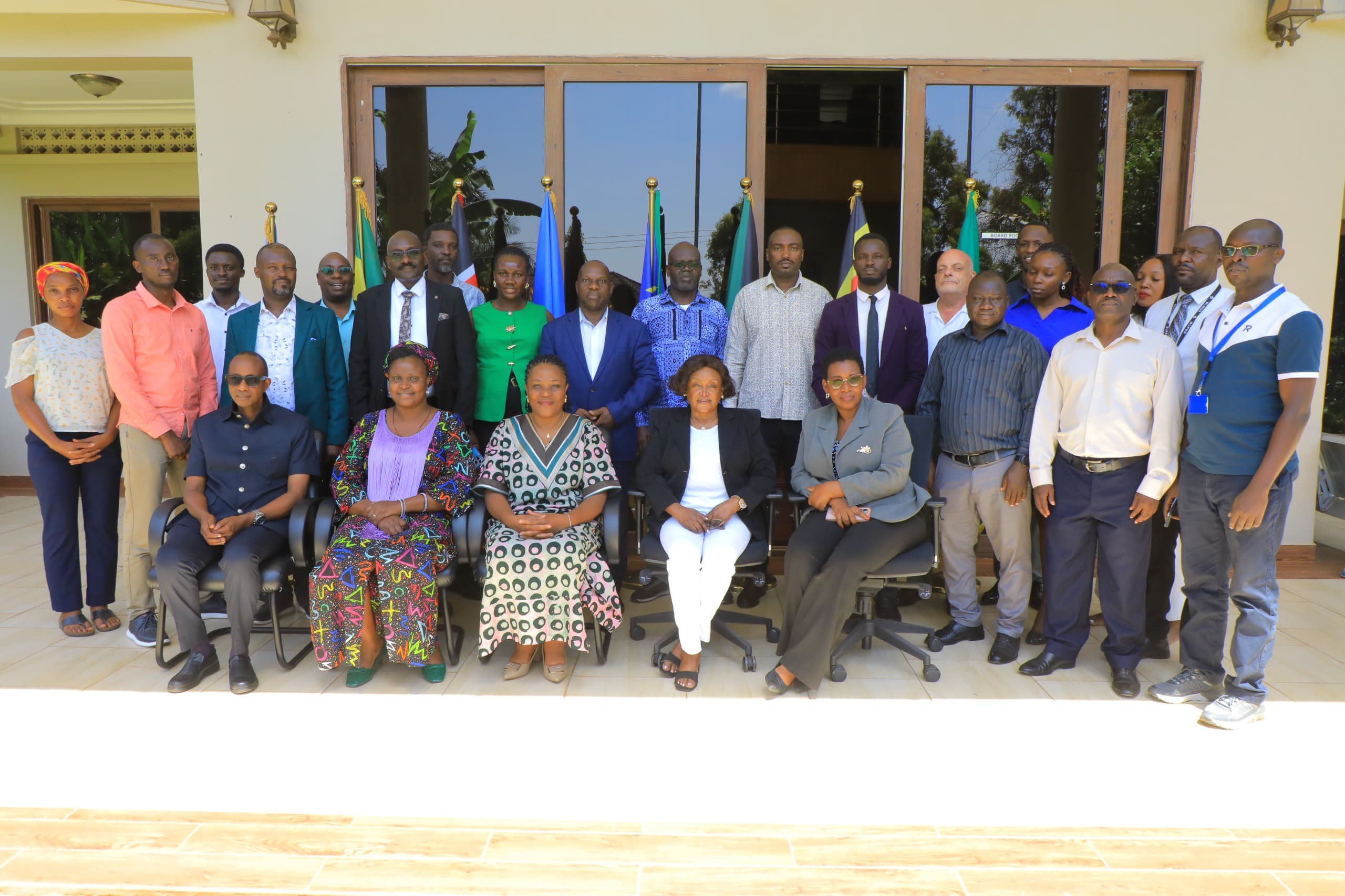
The Government of Uganda, the Intergovernmental Authority on Development (IGAD) and development partners have started consultations on a five-year programme aimed at transforming livestock production, strengthening peace and improving resilience in Karamoja.
The Integrated Livestock Development, Peacebuilding and Resilience Enhancement for Sustainable Livelihoods in Karamoja programme, known as ILPRE-Karamoja, is expected to run from January 2027 to December 2031.
The programme was unveiled on August 14, 2026, during a national consultative workshop on the Joint Karamoja Programme in Naguru, Kampala.
IGAD Mission to Uganda head Joselyn Bigirwa said the initiative followed discussions between IGAD Executive Secretary Workneh Gebeyehu and Gen Salim Saleh, as well as guidance from the Office of the President.
She said the programme would build on previous interventions under the IGAD Drylands Strategy and the Karamoja Integrated Development Programme.
ILPRE-Karamoja will focus on improving livestock productivity, managing grazing land and water resources across borders, preventing conflict, strengthening markets and improving land-use governance.
Bigirwa said the programme would also target women and young people and place communities at the centre of development.
Implementation will be aligned with the Karamoja Integrated Development Programme and Uganda's Fourth National Development Plan. IGAD will work with Operation Wealth Creation, the Office of the Prime Minister and the Ministry of Foreign Affairs.
Development partners said livestock transformation, peacebuilding, climate resilience and sustainable livelihoods remain priority areas for funding.
They called for more investment in animal health, water infrastructure, rangeland management, value addition and market access.
The partners also said peace and social cohesion were critical if communities were to access markets, schools and health services.
Speaking at the workshop, Ministry of Foreign Affairs peace and security department head Edith Namutebi Nsubuga said the government remained committed to improving security in Karamoja and other border areas.
“Government remains committed to providing an enabling security environment so that development actors can prioritise livelihoods and resilience,” Nsubuga said.
She said previous programmes had attracted significant investment but needed better coordination, clearer priorities and stronger accountability.
Nsubuga called for closer cooperation between security and development agencies, community ownership, faster economic empowerment and disciplined implementation of the new programme.
National Planning Authority senior economist Brenda Apio also presented the Karamoja Regional Development Plan, which Cabinet approved on July 21, 2025.
The 10-year plan seeks to shift Karamoja from a largely nomadic and agro-pastoral economy towards a settled and commercially viable economy by 2035.
According to the National Planning Authority, the plan responds to a poverty rate of 74.2 per cent, widespread food insecurity and infrastructure gaps identified in the 2023/24 National Household Survey.
The plan is valued at Shs15.1 trillion and proposes major projects including Kidepo International Airport, an industrial park and cement plants in Moroto, meat and hides processing facilities in Kotido and the Karamoja Peace and Technology University.
It also proposes expanded boarding facilities for primary and secondary education, subsidised university tuition for Karimojong students and a dedicated water budget for the sub-region.
AgroMax Uganda Ltd founder and chief executive officer Rony Oved presented a community-led agricultural model operating in 11 villages and involving 370 households in Nakapiripirit District.
He said communities had continued operating agricultural enterprises after the end of the Northern Uganda Social Action Fund III programme by using their own proceeds to repair tractors and water infrastructure.
Participants said ILPRE-Karamoja could provide a coordinated framework for livestock development, peacebuilding and stronger livelihoods if government agencies, partners and communities focus on a smaller number of high-impact interventions.