
The government has asked the Uganda National Oil Company (UNOC) to explore alternative financing options as the company faces growing funding demands ahead of Uganda’s first oil production.
Finance State Minister Henry Musasizi said UNOC needs sustainable sources of financing to strengthen its operations and reduce dependence on the national budget.
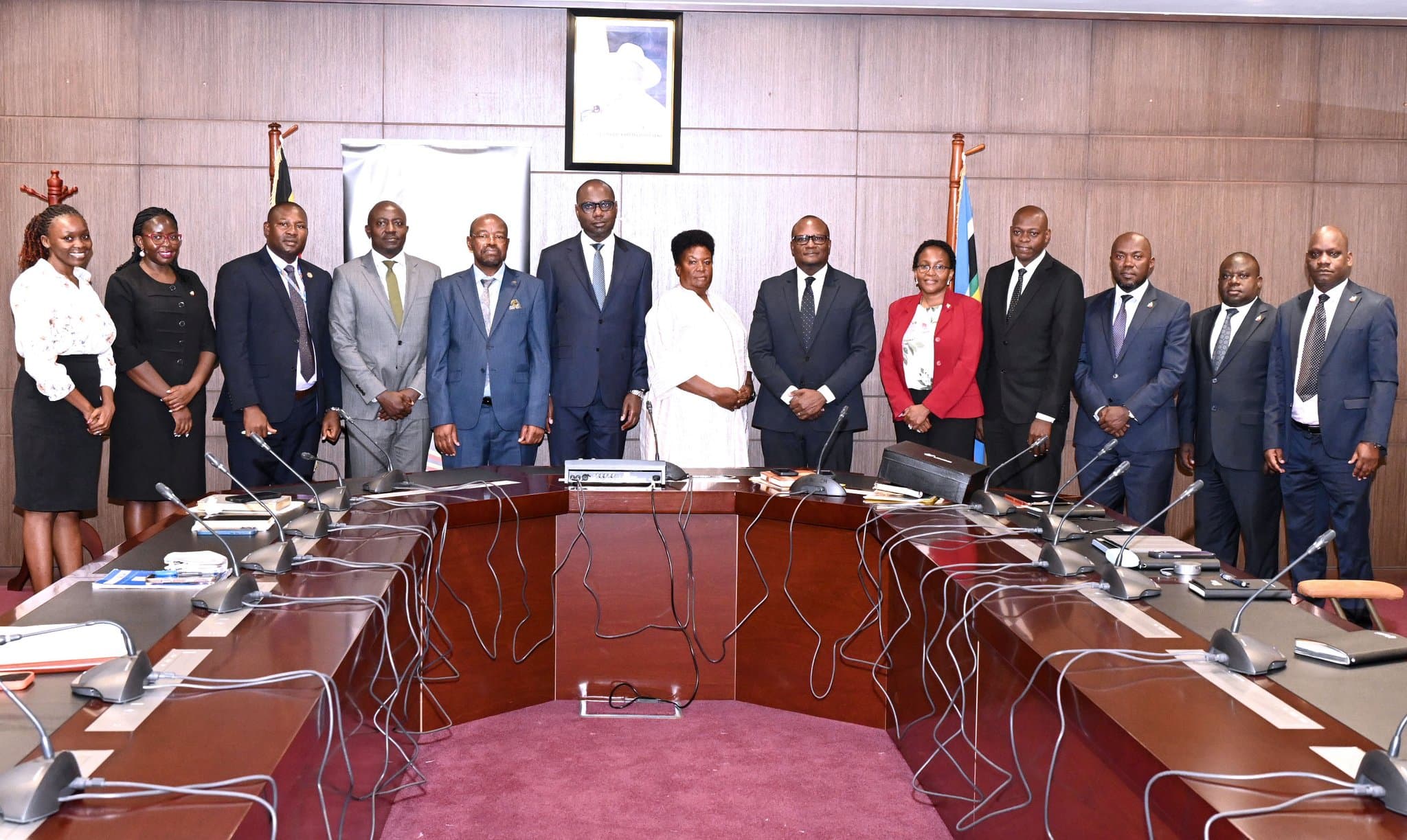
Musasizi made the call during an engagement with the UNOC board alongside fellow ministers Amos Lugoloobi and Cissy Mulondo.
The ministers urged the state-owned oil company to develop financing models that could support its growing portfolio of petroleum projects.
Musasizi praised UNOC for maintaining Uganda’s petroleum supply despite geopolitical tensions and conflicts affecting major oil-producing regions.
He said the country had continued to receive adequate fuel supplies at relatively stable prices. However, he questioned the differences in pump prices across Uganda.
He cited price variations between Kampala, Masaka, Mbarara and Kabale and asked UNOC to examine what was driving the disparities.
The company also reported progress on Uganda’s flagship oil projects.
By the end of June 2026, construction of the East African Crude Oil Pipeline (EACOP) had reached 89.4 per cent. The Kingfisher oil project stood at 79.36 per cent, while Tilenga had reached 74.2 per cent.
UNOC expects about $72 million in cash-call obligations as Uganda moves towards first oil.
The company also reported growth in its petroleum importation business. Volumes under the sole importation arrangement increased by 39 per cent, with UNOC supplying 36 oil marketing companies.
Gross margins increased from Shs387 billion to Shs540 billion during the 2025/26 financial year.
Under its $2 billion financing facility with Vitol Bahrain, UNOC said $150 million had been disbursed. It also transferred Shs536 billion to the Ministry of Finance.
UNOC is pursuing several infrastructure projects as it expands its role in Uganda’s petroleum industry.
These include the proposed 320-million-litre Kampala Storage Terminal and a 110-million-litre storage terminal in Mombasa, Kenya.
The company is also involved in plans for Uganda’s 60,000-barrel-per-day refinery and infrastructure development at Kabalega Industrial Park. It said Shs37.96 billion had been secured for the first phase of works at the industrial park.
UNOC has proposed a self-financing model to reduce its reliance on government funding.
The company says its sole importation business generates about $3 million every month in administrative charges. It wants to use such revenues to strengthen its financial independence.
However, UNOC maintains that continued government capitalisation remains necessary to support major investments and expand its contribution to the economy.
The Finance ministry wants the company to strike a balance between government support and internally generated resources as Uganda prepares to become an oil producer.