
The East African Community (EAC) has approved a raft of measures aimed at deepening regional trade, supporting industrialisation and improving the competitiveness of member states.
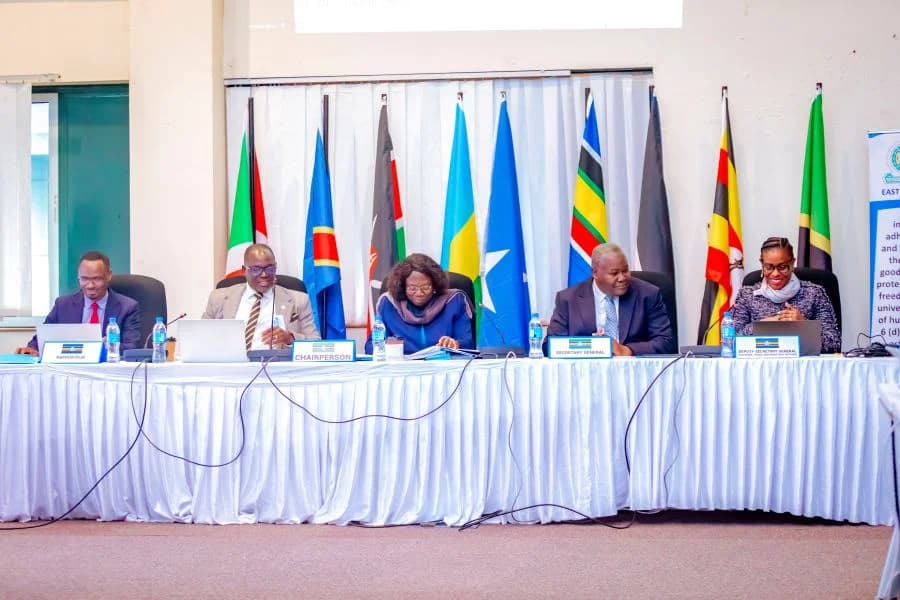
The decisions were reached during the 48th Meeting of the Sectoral Council on Trade, Industry, Finance and Investment (SCTIFI) held in Arusha, Tanzania.
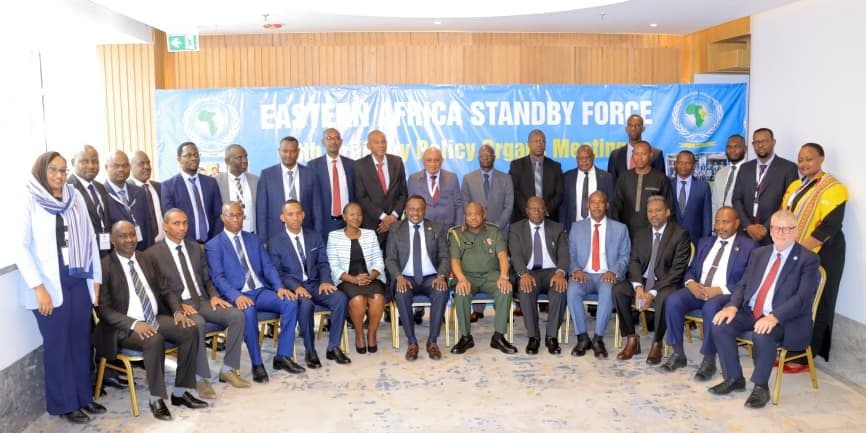
The meeting brought together ministers responsible for trade, industry, finance and EAC affairs, alongside senior government officials and technical experts from all partner states.
Opening the meeting, EAC Secretary General Stephen Mbundi said the region was meeting at a time of rising global uncertainty marked by geopolitical tensions, disrupted shipping routes, growing protectionism and fragile supply chains.
He urged member states to strengthen the regional market, lower the cost of doing business and speed up the implementation of regional integration commitments, including the removal of non-tariff barriers.
The council welcomed the completion of Time Release Studies for the Northern and Central transport corridors. The studies assessed cargo clearance times and identified areas for improving customs procedures.
The findings showed that cooperation among customs authorities, border agencies and the private sector had improved the movement of goods across the region. However, the studies also highlighted areas that still require reform.
Ministers adopted a framework to monitor the implementation of the EAC Customs Union Protocol. The mechanism will help track compliance by partner states with agreed regional obligations.
The council also approved adjustments to integrate South Sudan into regional customs data-sharing systems.
Members considered proposals to strengthen laws governing the elimination of non-tariff barriers. The proposals include sanctions and compensation for traders affected by unlawful taxes and trade restrictions. They will undergo further legal and technical review before adoption.
The council also approved a review of the EAC Rules of Origin, which determine whether goods qualify for preferential tariff treatment within the bloc. Legal review is ongoing before implementation.
Ministers noted growing interest from countries seeking trade agreements with the regional bloc. Singapore has formally proposed negotiations for a free trade agreement with the EAC.
The council endorsed further engagement with Singapore and directed the EAC Secretariat to begin technical preparations for possible negotiations. Ministers stressed that any future agreement should protect the collective interests of partner states and align with existing and planned trade arrangements.
The meeting also considered recommendations from the 2026/27 pre-budget consultations of finance ministers and approved fiscal measures under the Common External Tariff framework. The measures are expected to take effect on July 1, 2026, after publication in official gazettes.
Partner states agreed to complete technical analysis on outstanding customs and trade matters by August 30, 2026. They also resolved to conclude ongoing trade facilitation discussions and submit recommendations on the regional duty remission framework by September 30, 2026.
The ministers said timely implementation of council decisions, payment of member state contributions and continued cooperation among regional institutions would be critical to building a prosperous and fully integrated East African economy.
 Regional
Uganda Pledges Military Air Rescue Assets to Strengthen East Africa Standby Force
Uganda has committed its military search and air rescue capabilities to the Eastern Africa Standby Force, filling a critical strategic gap in regional peacekeeping, emergency crisis response, and disaster management.