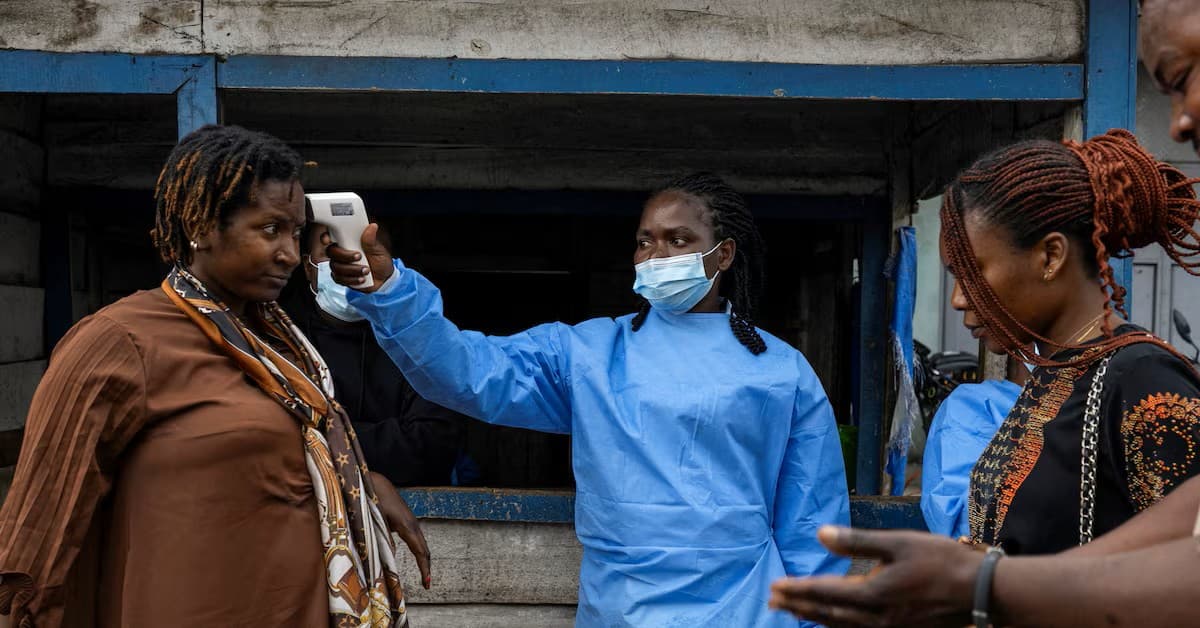
The East African Community (EAC) Ministers of Health have resolved to harmonize medical surveillance at all regional airports, marine ports, and land border crossings to curb the cross-border transmission of the Ebola virus.
The high-level regional directives were finalized during the 8th Extraordinary Meeting of the EAC Sectoral Council of Ministers of Health. The virtual summit, which concluded on Tuesday, focused heavily on crafting unified health security protocols to manage the volatile epidemiologic situation.
As part of the collective action plan, the ministers established a dedicated EAC Regional Technical Taskforce on Ebola Response and other high-consequence diseases. This centralized expert body will monitor transmission lines and coordinate direct technical interventions across all partner states.
The regional intervention comes amid rising infection metrics inside the Democratic Republic of Congo (DRC) and Uganda. As of June 1, 2026, the DRC logged 121 confirmed cases and 1,077 suspected cases of Bundibugyo Ebola Virus Disease, resulting in 263 total deaths. Meanwhile, Uganda reported 11 confirmed cases and one fatality, with medical teams actively monitoring 638 traced contacts. To accelerate field diagnostics, the sectoral council directed partner states to immediately deploy Germany-funded EAC mobile laboratories to designated border hotspots.
The ministerial council instructed the EAC Secretariat to work with the Civil Aviation Safety and Security Oversight Agency (CASSOA) to unify traveler health declaration protocols.
The ministers also approved an emergency funding reallocation of EUR 1 million from Germany’s Development Bank (KfW) to purchase diagnostic reagents and train frontline clinicians.
The regional body also planned a multisectoral safety summit to ensure that active contact tracing and containment measures do not compromise regional trade under the EAC Common Market Protocol.