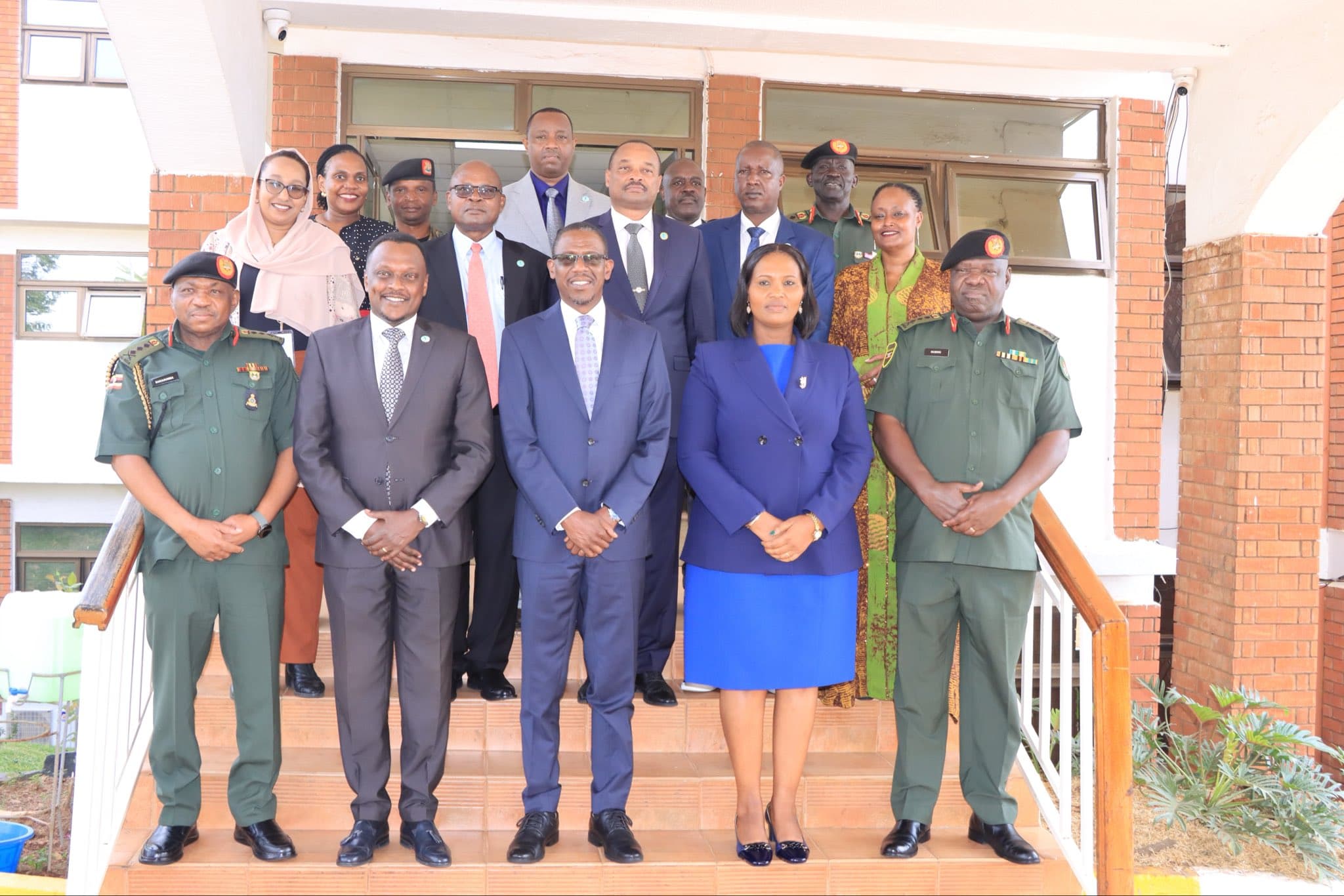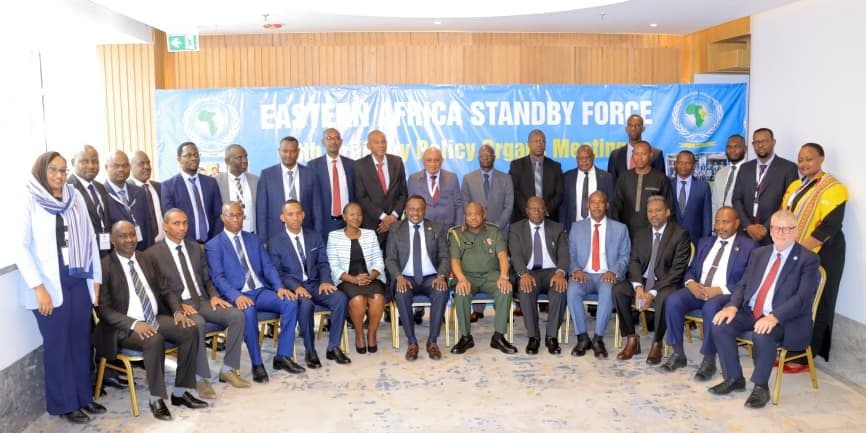

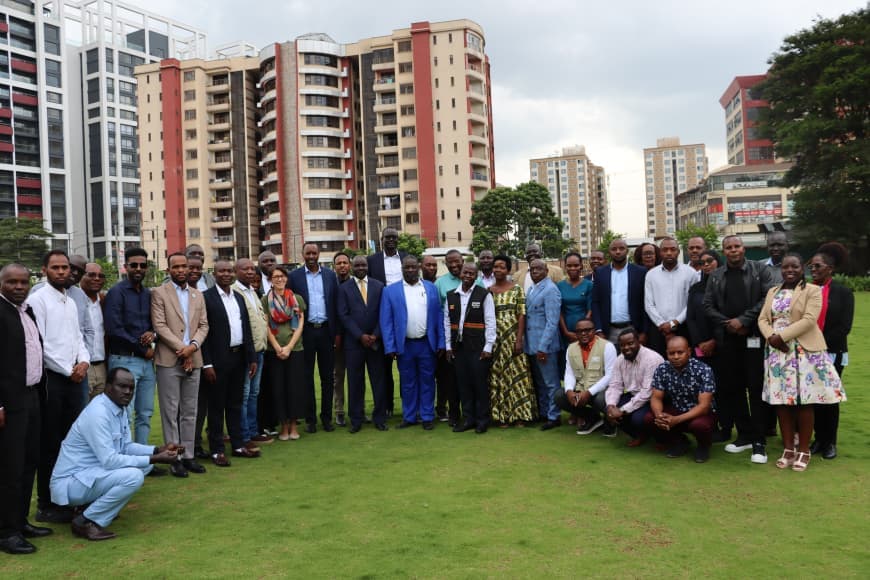
The East African Community (EAC) Secretariat has taken a significant step to improve the region’s ability to prevent and respond to health threats by holding the third Regional One Health Stakeholder Meeting in Nairobi.
The meeting focused on creating stronger mechanisms for knowledge exchange across sectors. This is part of the implementation of the EAC’s Regional One Health Strategy (2022-2027), which aims to safeguard East Africans from pandemics and other public health risks.
One Health is a globally endorsed strategy that connects human, animal, and environmental health. The EAC’s approach under this framework promotes collaboration among sectors to address health challenges.
The meeting brought together officials from EAC Partner States, regional institutions, academia, civil society, and international partners. They agreed on key actions to enhance pandemic preparedness, including assigning the EAC Secretariat a central coordinating role in the implementation of One Health across the region. They also committed to establishing collaboration mechanisms that promote knowledge sharing between the human, animal, and environmental health sectors.
Further priorities include improving workforce capacity in One Health disciplines and guiding Partner States on areas needing international support. The discussions took place as the World Health Organization adopted the Pandemic Agreement, highlighting the EAC’s role in aligning international health commitments with regional efforts.
EAC Deputy Secretary General, Andrea Ariik Malueth, stressed the importance of identifying capacity gaps and creating specific interventions to improve the region’s pandemic preparedness. Dr. John Opolot, from Uganda’s Ministry of Health, also emphasised the need for continued engagement across all sectors to make the strategy work effectively.
The meeting was supported by the EAC Support to Pandemic Preparedness in the EAC Region (PanPrep) Project, funded by the German Federal Ministry for Economic Cooperation and Development (BMZ).
 business
Uganda, Kenya Move to Harmonize Trade Policies and Remove Non-Tariff Barriers
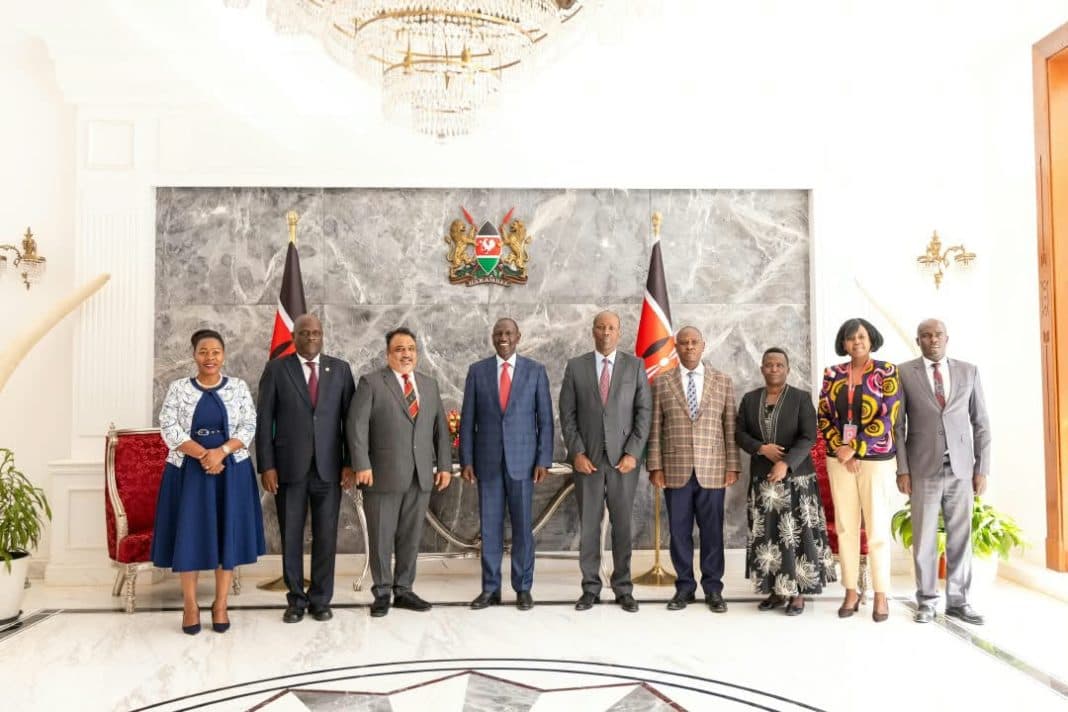
A Ugandan delegation led by Trade Minister Hon. Sanjay Tanna held bilateral talks in Nairobi with Kenya’s President William Ruto and Cabinet Secretary Lee Kinyanjui to address non-tariff barriers, accelerate industrial policy harmonization, and boost cross-border trade integration.