
President Yoweri Kaguta Museveni has committed Shs 125 billion in seed capital toward a national medical doctors’ Savings and Credit Cooperative Organisation (SACCO), granted an income tax waiver on medical workers' salaries, and directed the health sector to reorient national strategy toward disease prevention.
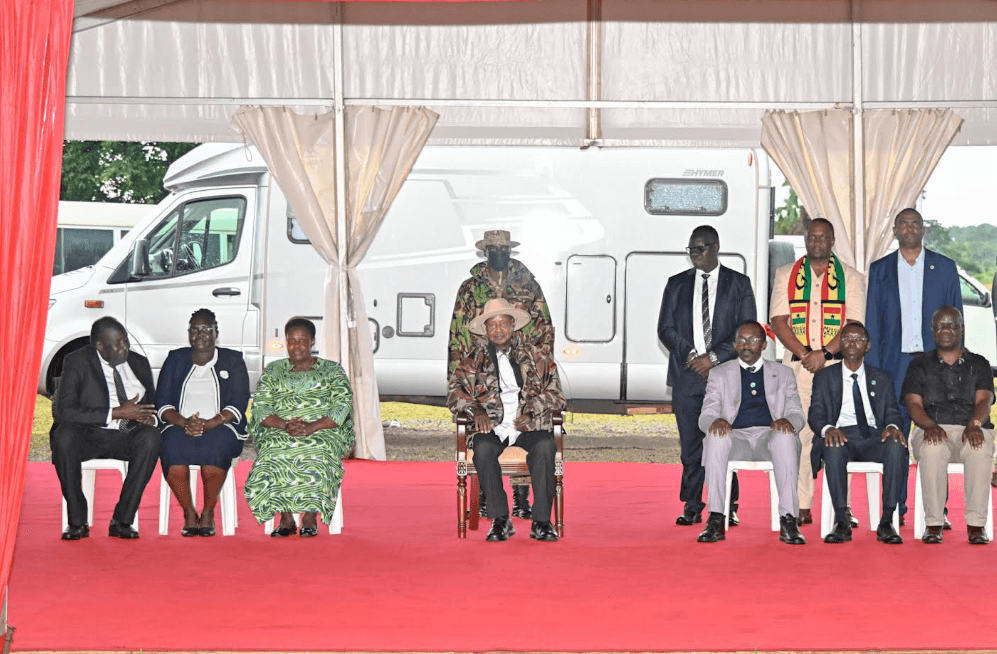
Presiding over the 10th Uganda Medical Association (UMA) Grand Doctors’ Conference at Soroti University on Friday, November 13, 2026, President Museveni stated that the SACCO capitalization and fiscal relief are designed to uplift medical professionals’ welfare, finance specialized postgraduate education, and eliminate the widespread practice of moonlighting between public and private facilities.
The President announced that medical workers will immediately enjoy the same salary tax exemptions currently extended to security personnel across the army, police, and prison services.
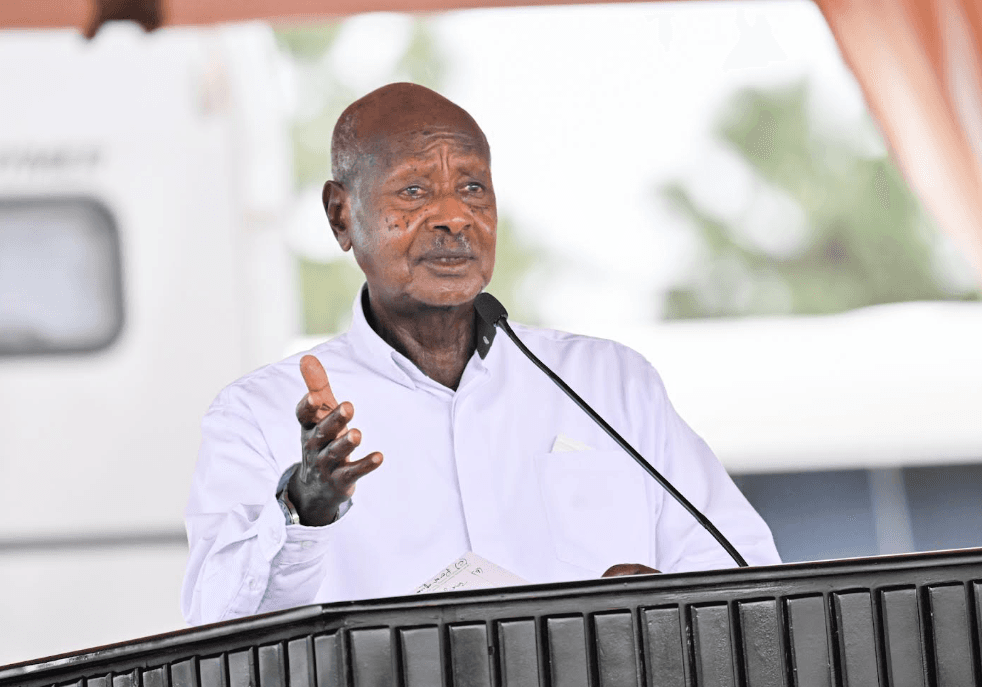
“I have already agreed with them on the tax waiver. We shall exempt medical personnel from paying taxes because we do not tax policemen, prison officers or soldiers. Why, then, should we tax doctors and other medical workers? Let them retain their current earnings,” President Museveni declared, challenging practitioners to commit exclusively to public hospital duties just as Ugandan doctors did prior to 1970. He also endorsed plans for duty-free doctors’ shops modeled on army canteens, advising them to prioritize essential goods and construction materials over luxury items.
Turning to clinical human resource deficits, the President directed the government to sponsor the immediate training of at least 200 geriatric specialists to bridge the gap in elderly care, noting Uganda currently has just three to four specialists—alongside expanding training for paediatric cardiologists, of whom only 12 serve the nation. He simultaneously cautioned universities against commercializing medical training at the expense of clinical standards.
On public health policy, President Museveni challenged health leaders to pivot away from costly curative medicine, pointing out that roughly 80 percent of Uganda’s disease burden is preventable through immunization, proper nutrition, personal hygiene, safe water, and sanitation. He warned citizens against consuming mold-contaminated groundnuts linked to liver cancer and urged District Health Officers to host bi-weekly vernacular radio programs to educate communities on preventive health.
Vice President H.E. Jessica Alupo applauded the President’s leadership in expanding the national immunization schedule from six killer diseases to 13 vaccines, noting that a healthy population forms the bedrock of productivity and wealth creation.
Soroti University Vice Chancellor Prof. Robert Ikoja-Odongo thanked the government for completing a new operational academic block and facilitating the establishment of a regional teaching and referral hospital. He confirmed the university has secured 50 acres of land for the facility, following the eviction of encroachers and cancellation of irregular land titles—and praised the establishment of the Centre for Nuclear Science and Technology at the campus to produce medical radioisotopes for domestic cancer treatment.
Presenting the medical fraternity’s position, UMA President Dr. Frank Asiimwe, representing nearly 15,000 doctors across 14 branches, proposed a Strategic Compact for Health Sector Reforms to resolve persistent systemic bottlenecks. While celebrating milestones such as rising life expectancy (now at 68 years), domestic pharmaceutical manufacturing, and successful kidney transplants at Mulago National Referral Hospital, Dr. Asiimwe conferred upon President Museveni the association’s highest honor, honorary membership number UMAHM00001.
UMA Founding Chairperson Prof. Francis Omaswa reinforced calls for stronger primary healthcare, inter-ministerial coordination across water and housing sectors, and strict enforcement of regulatory standards by the Medical and Dental Practitioners Council and the National Council for Higher Education, urging authorities to close substandard medical training institutions.