

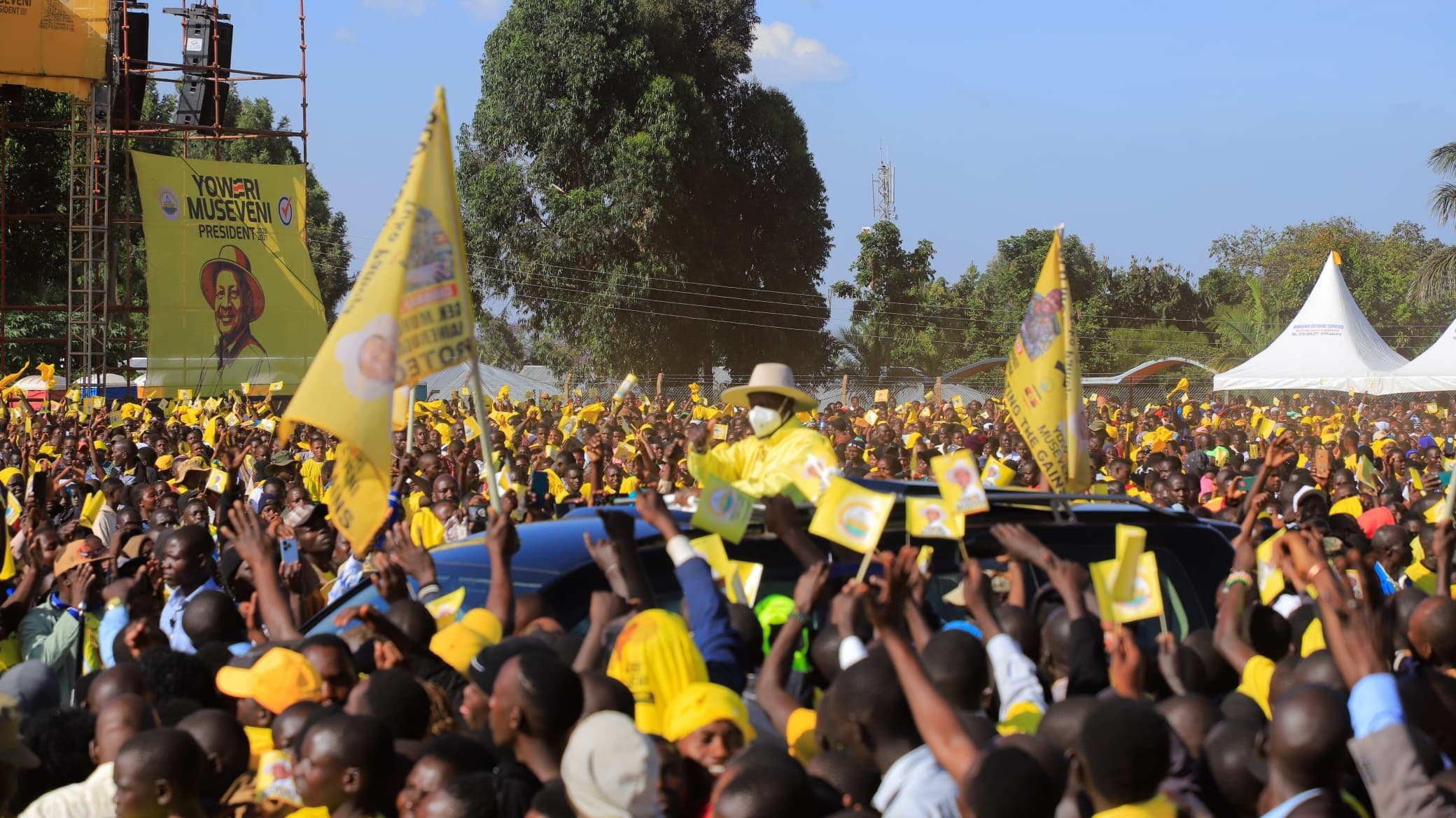
When President Yoweri Kaguta Museveni arrived in Kapchorwa on a misty Tuesday afternoon, the rolling slopes of Mount Elgon seemed to whisper the story of an unresolved tension, one between nature’s majesty and man’s survival. For years, the people living around the mountain have wrestled with park authorities over boundary lines that cut through homes, farms, and memories. But this time, Museveni came with a promise, an end was in sight.
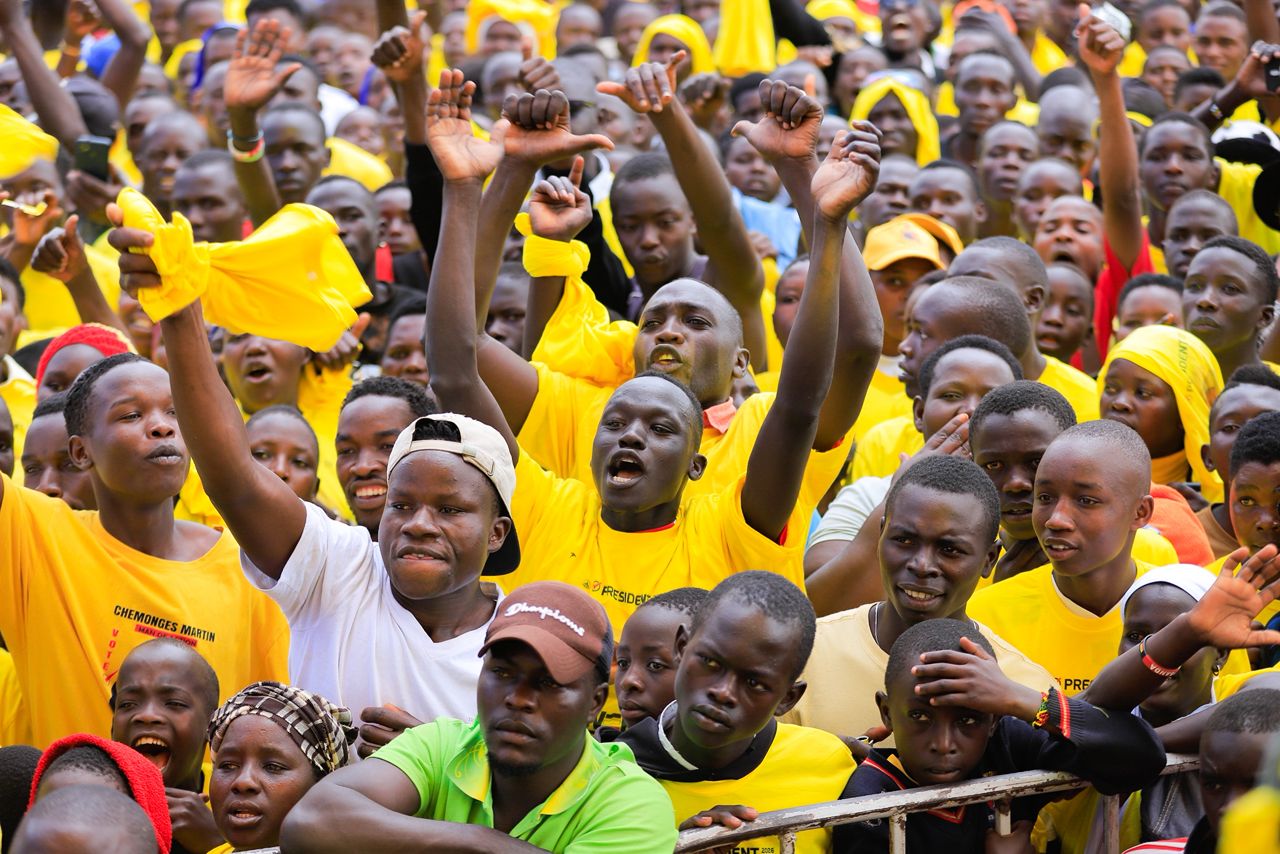
The President told thousands of supporters gathered at the rally that his government would send a technical team of surveyors to finally verify and mark the true borders of Mount Elgon National Park. The process, he said, will be guided by science, not emotion or politics.
“Our mountains, forests, rivers, lakes, and wetlands are not political issues. They are matters of science and survival,” Museveni said. “Just as the human body depends on organs working in harmony, our environment must remain intact to sustain us. Interfering with these ecosystems can have severe consequences.”
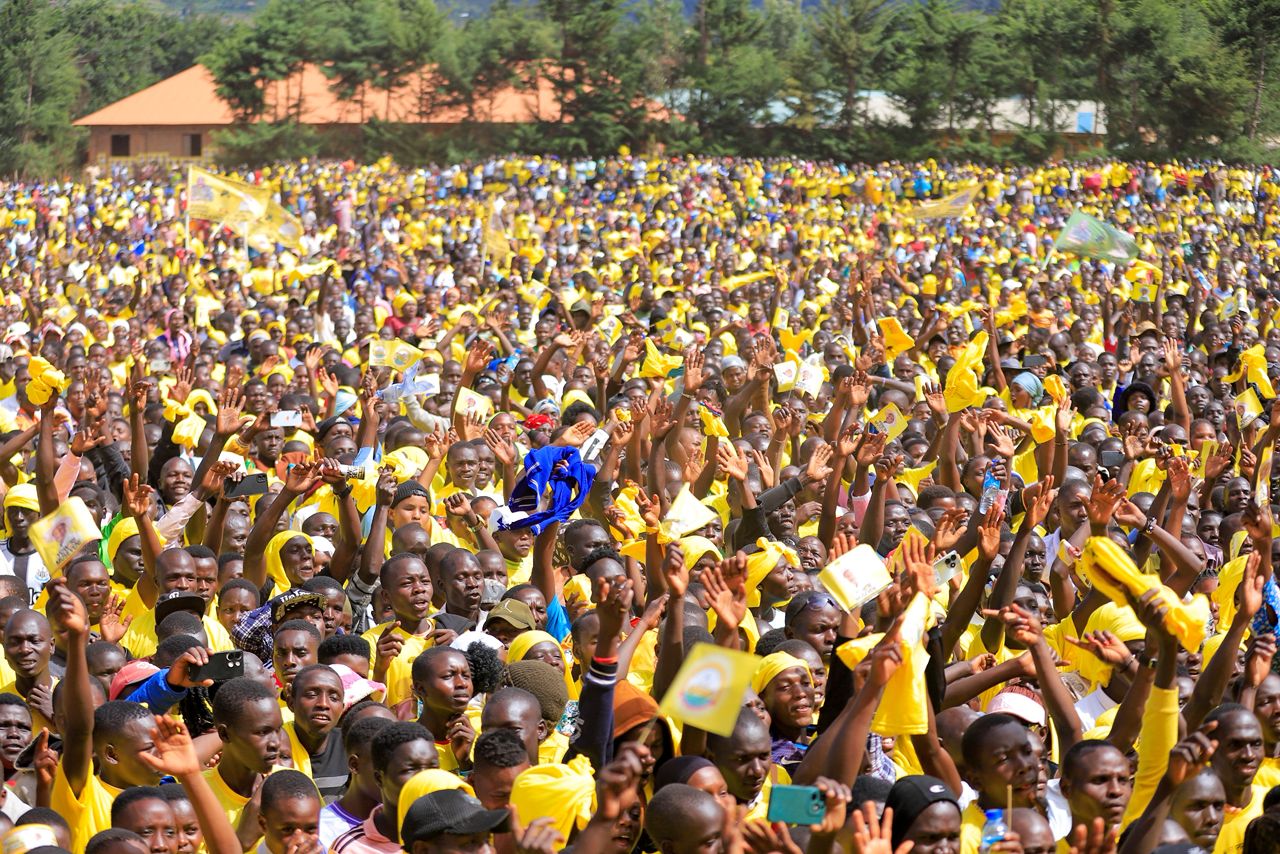
Museveni’s message was clear. Environmental protection must go hand in hand with people’s livelihoods. Once the boundary verification is complete, he said, the region will benefit from improved conservation, tourism, and agricultural productivity.
He urged the people of Sebei to view Mount Elgon not as a burden but as an opportunity. The mountain’s cool climate, breathtaking scenery, and fertile slopes, he said, make it an ideal hub for tourism and investment. Citing world champion Joshua Cheptegei’s ventures in eco-tourism, the President said the region could thrive if residents embraced innovation alongside agriculture.
“Mountains are not only for agriculture,” he noted. “They can support tourism and other enterprises that benefit the community.”
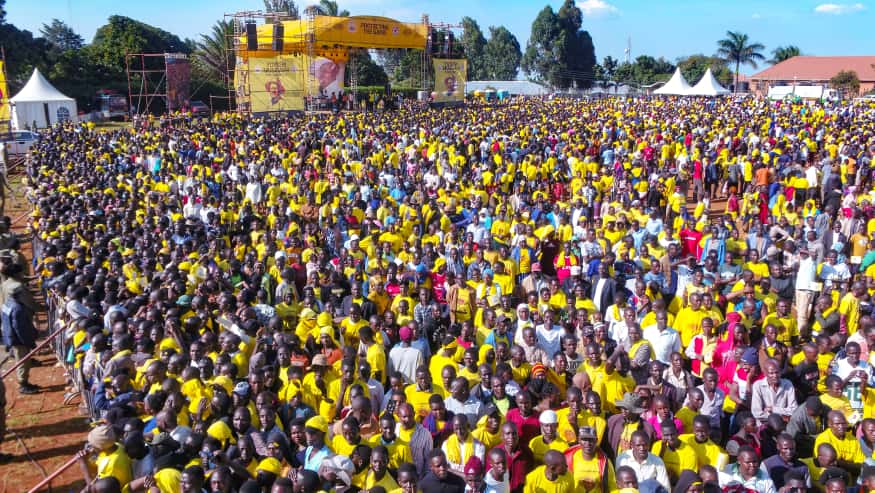
The President also addressed the recent landslides that have claimed lives and displaced families in the Elgon region. He pledged government support for all affected households, including two acres of land, Shs10 million, and compensation for lost crops and property.
“After the elections, we will hold a comprehensive discussion on long-term resettlement solutions,” he said.
Beyond land and livelihoods, Museveni’s rally carried a message about responsibility to nature, to children, and to the nation. He revisited his government’s commitment to free education, warning that those who oppose it are “creating a time bomb” by denying children their right to learn.
“When a child loses parents but wants to go to school, who should take responsibility?” he asked. “Uganda is one big family, and government must take care of its children. These children are our greatest wealth.”
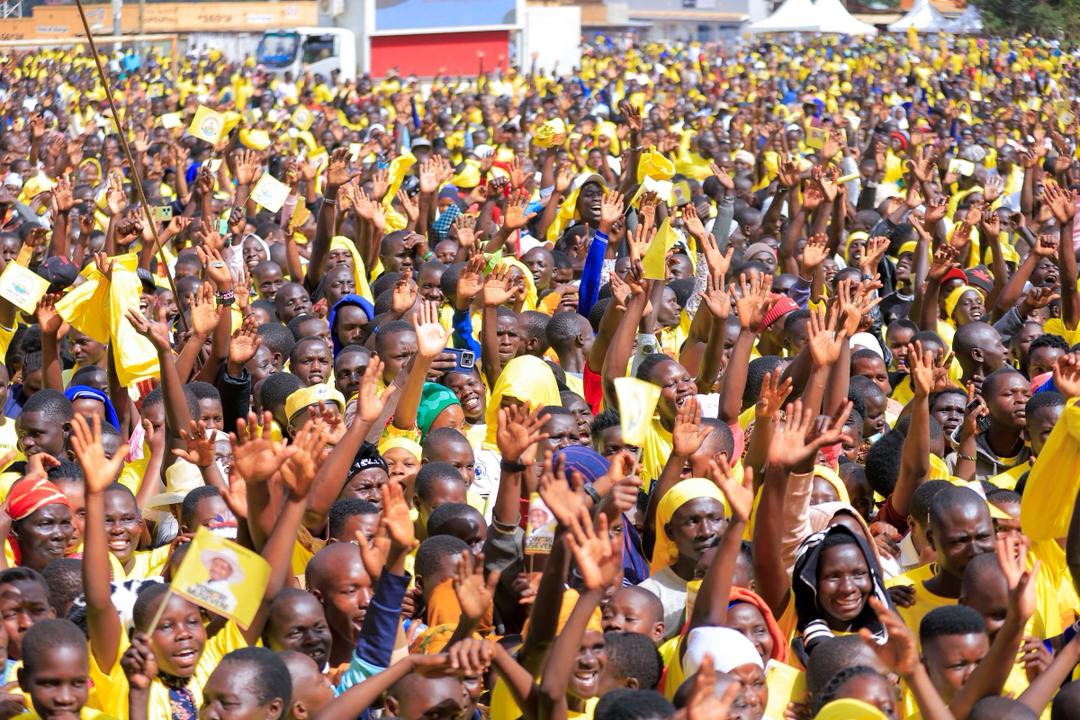
The President, who was accompanied by his daughter Natasha Karugire Museveni, also presided over the handover of NRM flags to parliamentary and local council candidates in Kapchorwa. Speaker of Parliament Rt. Hon. Anita Among commended the President for his consistent investment in Sebei, particularly through the Parish Development Model (PDM), which she said has lifted thousands of families into the money economy.
The rally also featured emotional testimonies from beneficiaries of the Presidential Industrial Skilling Hub. Among them was Peace Chelangat, a former school dropout who turned her life around after completing six months of hairdressing training.
“After my training, I opened a salon that now employs three people. The hub completely changed my life,” she said, smiling through tears of pride.
Government data shows that Kapchorwa District has received Shs17.91 billion under the PDM, benefiting over 17,000 households, while 36 SACCOs with 25,000 members have accessed Shs1.49 billion under Emyooga. Education, too, is expanding rapidly, 40 government primary schools and nine secondary schools now serve more than 35,000 learners.
The health and water sectors are also seeing transformation. The government plans to upgrade Amukol HCII and Chepterech HCII to HCIII level, while major projects like the Chemosong Gravity Flow Scheme and Matera Piped Water System will extend safe water coverage beyond the current 49 percent.
As the sun set over the slopes of Mount Elgon, Museveni’s words hung in the cool air, a reminder that the battle to balance nature and development remains delicate but essential.
“We must protect our environment,” he said. “Once the boundaries are clear and respected, both the people and the mountain will thrive.”