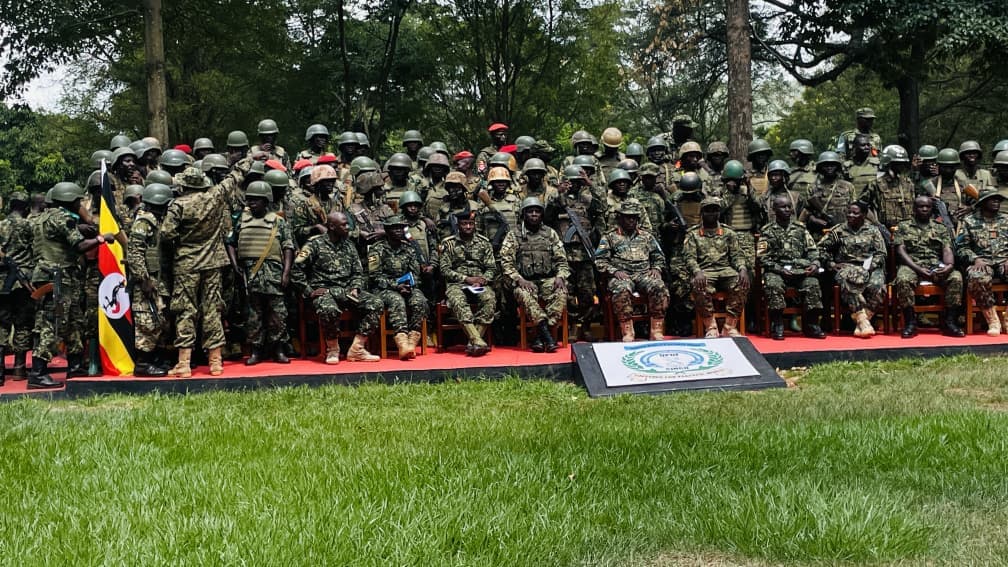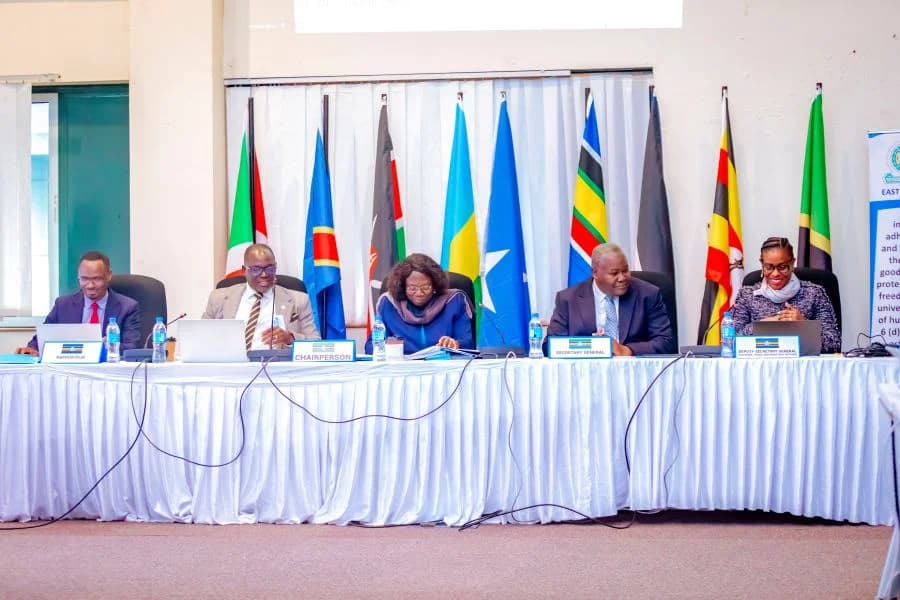

The East African Community opened a two-day high-level Multisectoral Dialogue to address long-standing and emerging barriers to trade within the bloc.
The meeting brings together technical experts and policy leaders from all eight Partner States. They aim to identify key bottlenecks, assess current interventions, and agree on practical steps to fast-track the full rollout of the Customs Union and Common Market.
Although the Community has put in place legal and policy frameworks to support integration, trade among Partner States has remained stuck at about 15 per cent of total trade for more than a decade. This is far below the region’s estimated potential of between 30 and 50 per cent. Officials say the main obstacles are now operational and institutional, rather than legal.
Non-Tariff Barriers remain a major concern. Discriminatory domestic taxes, repeated inspections, inconsistent application of Rules of Origin, and strict sanitary and phytosanitary measures continue to slow cross-border trade. Delegates are discussing stronger enforcement measures and clearer channels for resolving disputes at Council and Summit level.
High transport and logistics costs are also under review. Participants are examining gaps in the One Network Area, digital integration challenges, and weak data sharing systems that cause delays at borders. They are also reviewing uneven implementation of One-Stop Border Posts and the Single Customs Territory.
Opening the meeting, Rwanda’s Minister of Trade and Industry, Prudence Sebahizi, welcomed delegates and reaffirmed his government’s support for deeper integration, including closer work with the private sector. Rwanda’s Minister of State for EAC Affairs, Yusta Kayitesi, warned that Non-Tariff Barriers raise business costs and weaken confidence in the regional market.
Kenya’s Cabinet Secretary for East African Community Affairs, Beatrice Askul Moe, who chairs the EAC Council of Ministers, called for simpler and faster trade procedures. She urged Partner States to reduce clearance times and ensure predictable regulations.
EAC Secretary General Veronica Nduva said intra-regional trade grew from US$6.42 billion in 2016 to US$15.25 billion in 2024. However, she noted that it still accounts for only about 12 per cent of total exports, showing continued reliance on external markets.
Denis Karera, Vice Chairperson of the East African Business Council, asked leaders to adopt clear, time-bound actions. He said the region needs a scorecard to track progress and turn policy promises into real trade gains.
The dialogue is expected to produce concrete recommendations for consideration by the Council and the Summit, with the aim of building a more competitive and inclusive single market.