

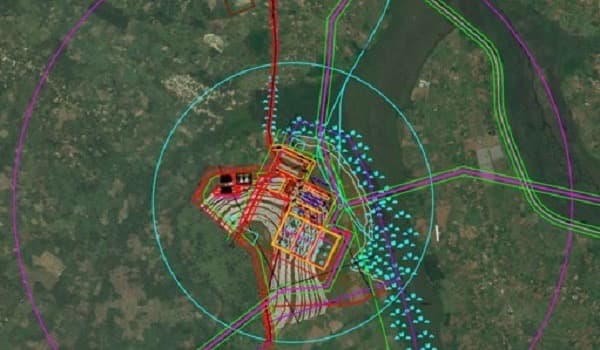
President Museveni will on Thursday, September 17, 2026, launch construction of a major petroleum storage terminal in Mpigi District.
The Kampala Storage Terminal will occupy about 300 acres at Namwabula, 26 kilometres west of Kampala. It will hold up to 320 million litres of petroleum products.
A planned 211-kilometre pipeline will connect the facility to Uganda’s proposed oil refinery in Hoima.
The Uganda National Oil Company (UNOC) estimates that the country consumes about 240 million litres of petrol, diesel, jet fuel and kerosene each month.
The new terminal will supplement the 30-million-litre Jinja Storage Terminal and facilities owned by private companies.
UNOC says the additional capacity will protect Uganda against prolonged supply disruptions. It could also help stabilise retail fuel prices.
Construction will cost about $310 million (Shs1.1 trillion). UNOC says it has secured the funding with support from the government.
The terminal will receive imported fuel and products refined in Uganda. It will serve Kampala, the central region and other parts of the country.
UNOC also plans to turn the facility into a regional distribution centre after completing the Hoima refinery and connecting pipelines.
The state-owned company will provide storage and handling services to oil marketing companies. The terminal will also support the government’s strategic fuel reserves.
UNOC will own and operate the facility.
The development will include the planned Mpigi Remote Refinery Terminal. This facility will receive petroleum products from Hoima before directing them into storage and distribution channels.
Together, the refinery, pipeline and storage terminals will carry locally refined fuel from Hoima to markets in Uganda and neighbouring countries.
The groundbreaking comes two weeks after Museveni named Uganda’s crude oil “Pearl Sweet” on September 2, 2026.
During the ceremony, Museveni argued that refining crude oil within Uganda would cut the cost of importing finished products.
“Our refinery will be one of the most profitable because, first of all, it’s far from the ocean and it does not have the transportation cost which imported oil has,” Museveni said.
“When we refine our oil here, you don’t pay transit charges.”
The Mpigi project adds a key link to Uganda’s emerging petroleum network. It will connect crude oil production and refining to the storage and distribution systems needed to secure the country’s fuel supply.