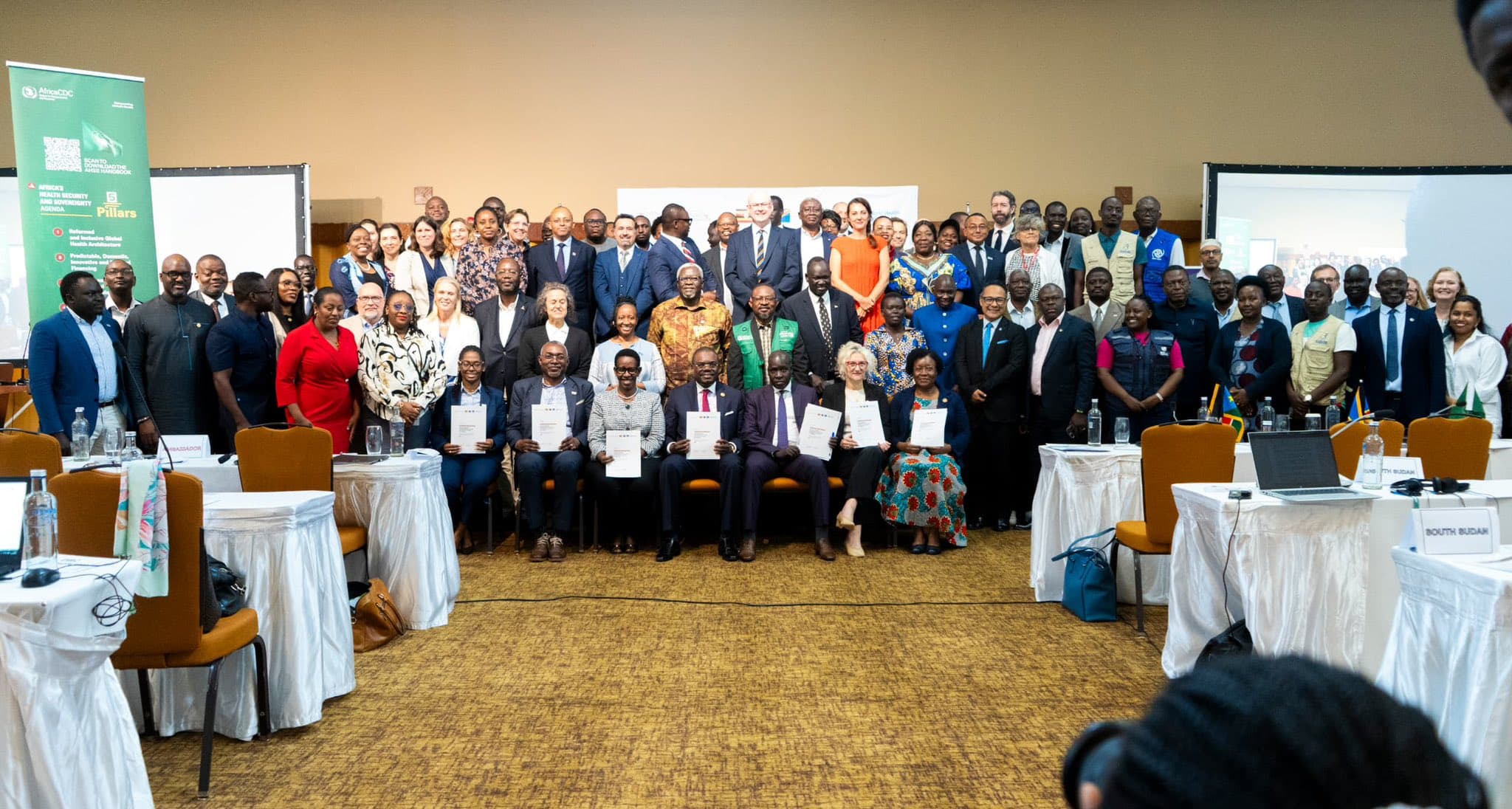
East and Central African health leaders have signed a joint communique detailing 11 urgent actions to counter cross-border transmission following the confirmation of three new Ebola cases in Uganda.
The emergency pact emerged from a high-level ministerial meeting held on Saturday at Speke Resort Munyonyo. The summit convened regional health ministers and international epidemiologists to synchronize emergency containment frameworks.
The diplomatic intervention directly addresses a new development from the Ministry of Health confirming that Uganda's total Ebola cases have climbed to five. The fresh infections include a Ugandan driver, a local frontline nurse, and a Congolese woman who traveled through a chartered flight from Arua to Entebbe.
The Permanent Secretary of the Ministry of Health, Dr. Diana Atwine, opened the summit by calling for absolute transparency in sharing cross-border epidemiological data. She warned that fragmented containment strategies by individual nations would leave the entire continent vulnerable to widespread contamination.
“No one is safe until everyone is safe,” Dr. Diana Atwine emphasized.
The Director General of the Africa CDC, Dr. Jean Kaseya, applauded President Yoweri Kaguta Museveni for his swift executive mobilization. He commended Dr. Atwine for steering the national surveillance team to trace contacts effectively before local transmissions expanded. Dr. Kaseya insisted that continental entities possess the clinical infrastructure necessary to manage the current health emergency independently.
“This outbreak response will be led by Africa, for Africa, and by Africans,” Dr. Jean Kaseya stated.
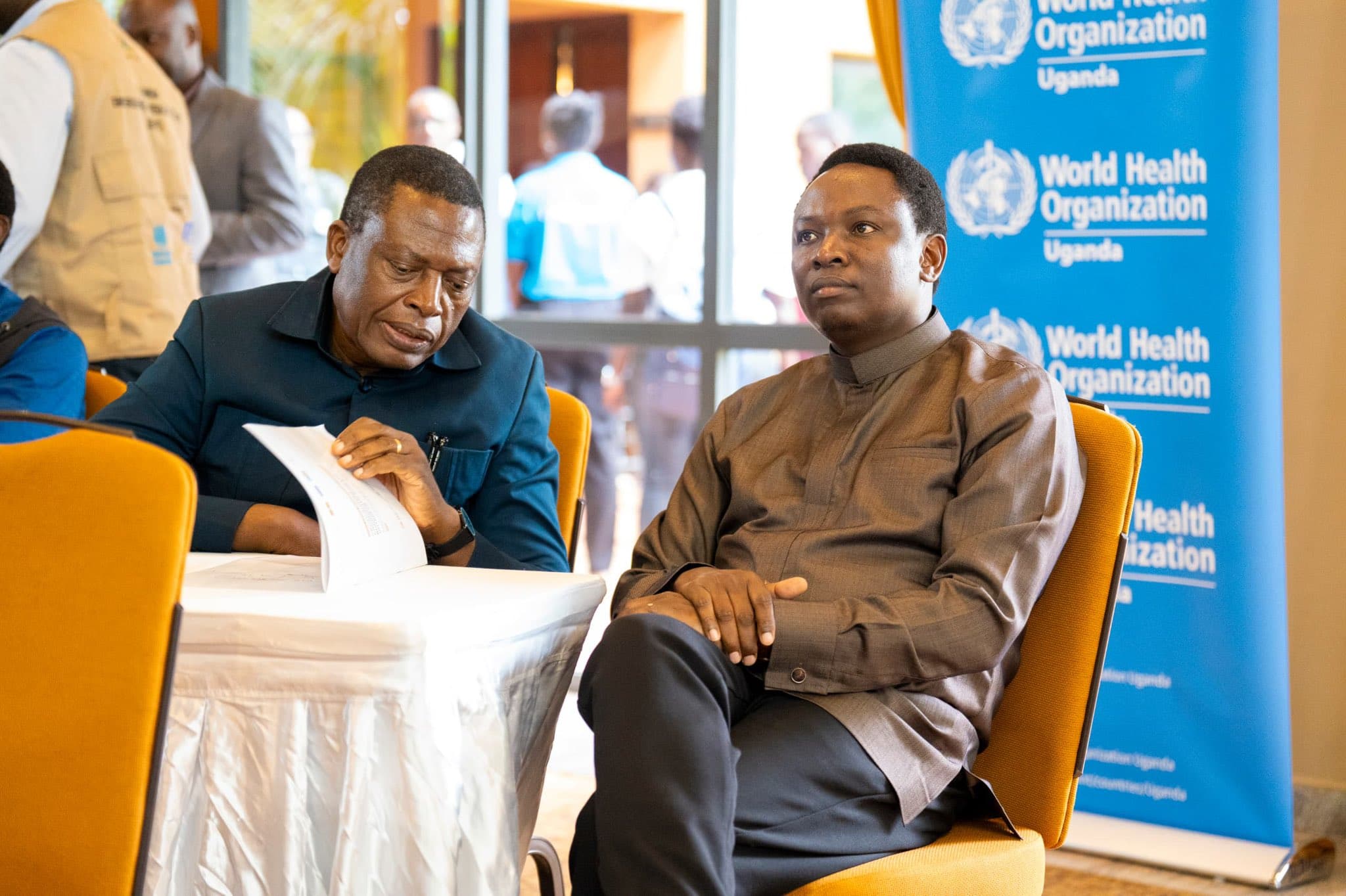
The Minister of Health from the Democratic Republic of Congo, Dr. Roger Samuel Kamba, noted that the heavy migration of merchants makes border sub-counties highly vulnerable. He explained that active virus strains easily bypass checkpoints without deep institutional synchronization. The Minister of Health from South Sudan, Hon. Luke Thompson, added that earning the trust of border communities remains a vital pillar for effective tracking.
“Outbreaks do not respect borders,” Dr. Roger Samuel Kamba noted.
The signed joint communique binds the participating nations to implement immediate border surveillance upgrades and harmonize points of entry monitoring. The 11-point roadmap mandates regional health ministries to protect vulnerable frontline medical workers through advanced infection prevention gear.
Additionally, the plan forces member states to mobilize sustainable financing to back rapid incident management teams.
Director General of Health Services, Prof. Charles Olaro, confirmed that medical teams have already placed all known contacts under close institutional monitoring to secure public safety.