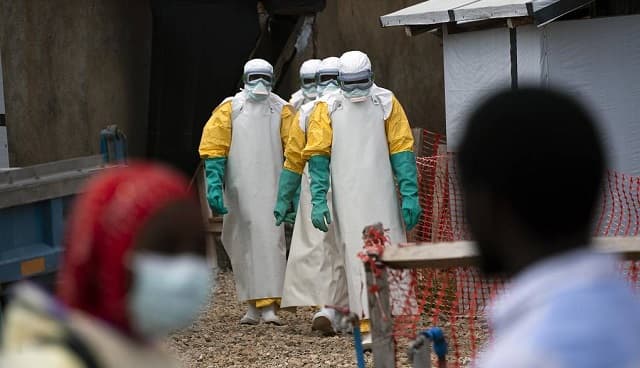
Uganda remains free of Ebola virus disease following the successful containment of community transmission earlier this year, the Ministry of Health confirmed on Sunday, while scaling up nationwide surveillance to block any potential reintroduction.
In an official public health update issued on October 25, 2026, the Minister of Health, Hon. Dr. Chris Baryomunsi, reassured the public that no active cases of the viral haemorrhagic fever exist within the country’s borders.
The confirmation comes after health authorities brought a previous outbreak of the Bundibugyo virus disease under control, first confirmed on May 15, 2026, and officially declared over on July 28, 2026, after no new infections were recorded over the mandatory incubation cycle.
To keep the country protected, the ministry has reinforced border surveillance, traveler screening protocols, diagnostic laboratory testing, and rapid response units across major points of entry and high-risk frontier districts.
Health officials also revealed that all 60 contacts tracked in connection with an Ebola case involving a Kenyan national have completed their 21-day observation window without presenting symptoms and have been officially discharged from monitoring.
In parallel, Ugandan epidemiologists are coordinating with Nigerian health authorities and international technical agencies to investigate a separate case involving a Nigerian traveler.
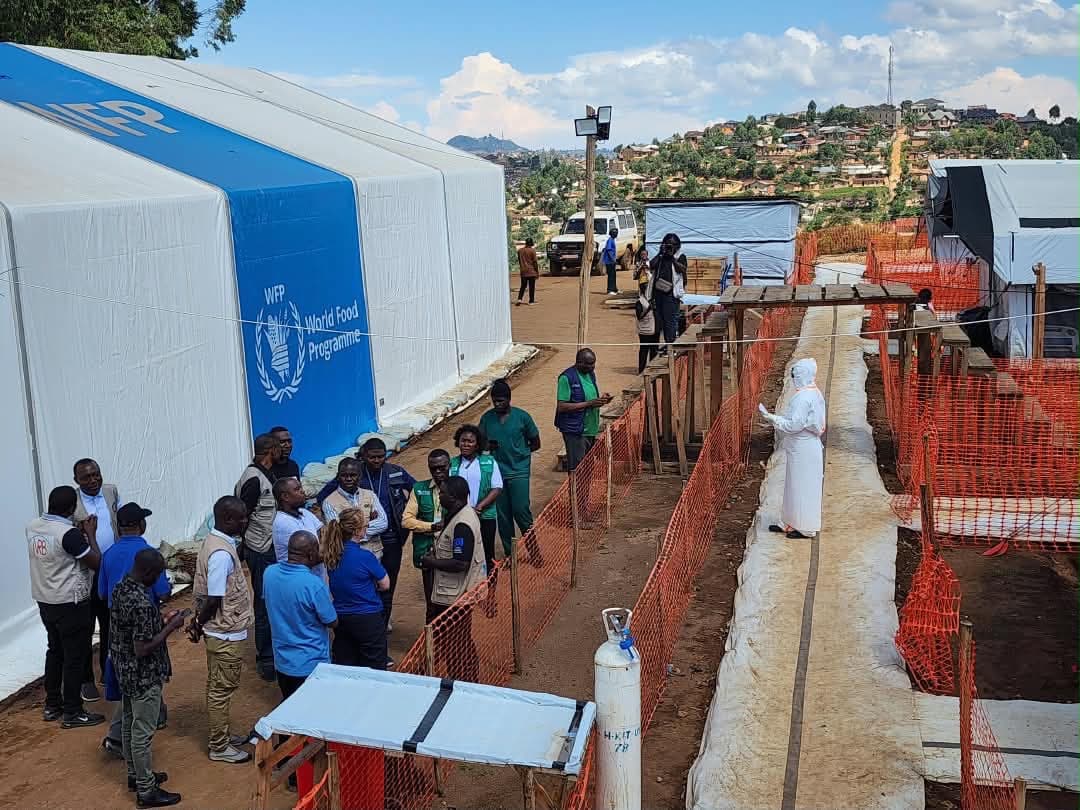
Beyond national borders, Uganda has stepped up technical support within the Democratic Republic of Congo (DRC) to contain active transmission at the source. This intervention includes setting up specialized treatment facilities and deploying skilled frontline medical personnel.
Ministry officials highlighted that treating cases near their point of origin inside the DRC shortens diagnostic turnaround times, delivers immediate clinical interventions, and reduces the risk of infected patients undertaking dangerous cross-border travel into Uganda to seek care.
Dr. Baryomunsi directed travelers, transit authorities, and border communities to comply strictly with mandatory health screening protocols, observe personal hygiene, and report suspected symptomatic individuals without delay.
He noted that sustained vigilance and shared cross-border intelligence remain the most effective shield in preventing the virus from resurfacing in the country and across the wider East African region.