
The Uganda National Bureau of Standards (UNBS) has renewed its commitment to strengthen quality standards and push for policy reforms aimed at improving access to safe and affordable menstrual health products. Officials said the move is intended to protect public health and expand access, especially for girls and women in underserved communities.
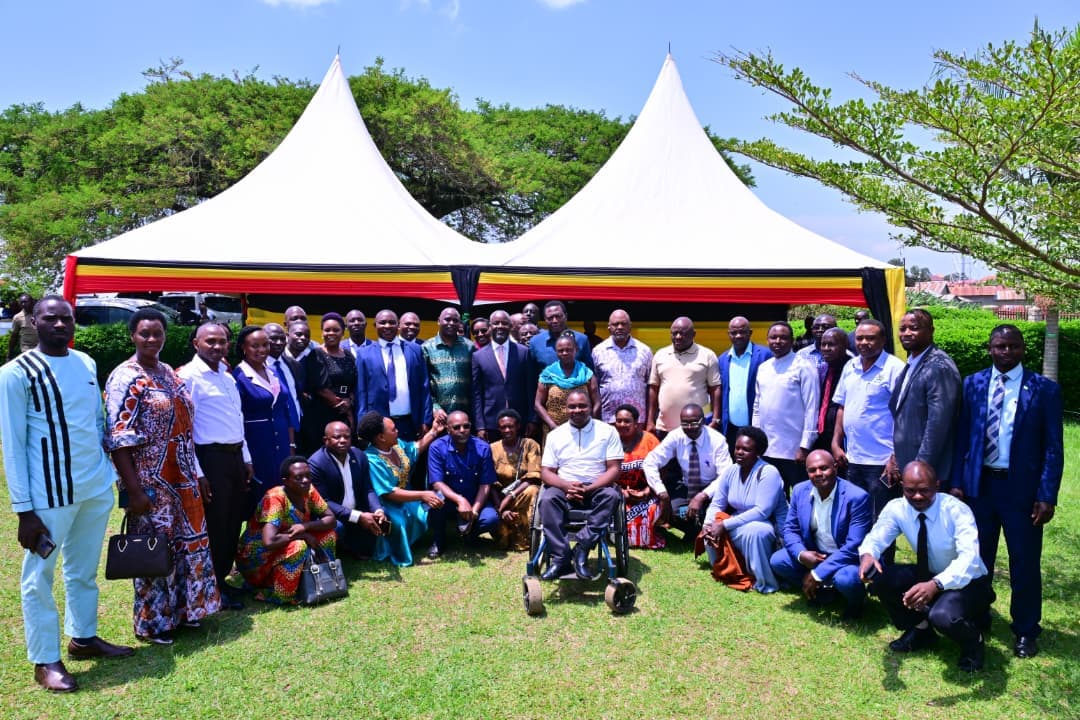
The commitment was made during a two-day Menstrual Hygiene Symposium held in Kampala. The meeting brought together more than 100 participants from government, the private sector, civil society and development partners to discuss standards and regulatory reforms in the menstrual health sector. The event was organised in collaboration with the United Nations Population Fund and the Sanitation and Hygiene Fund.
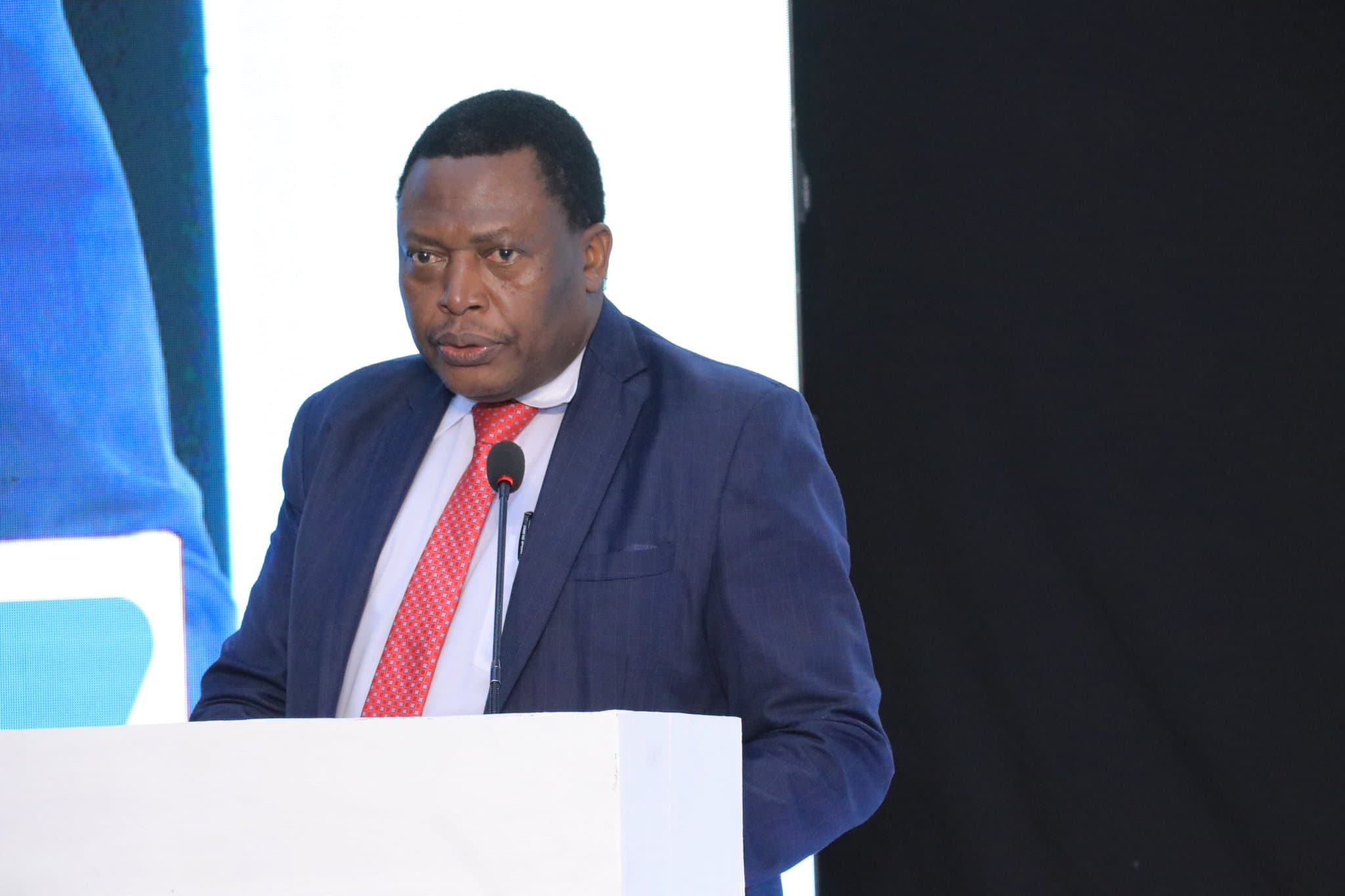
Speaking at the symposium, UNBS Manager for Testing Services Hajj Aziz Mukota said standards play a critical role in protecting consumers and ensuring product safety. He said menstrual health management is linked to dignity, health and gender equality, and stressed that products on the market must comply with national standards. He added that UNBS will continue enforcing compliance to safeguard users.
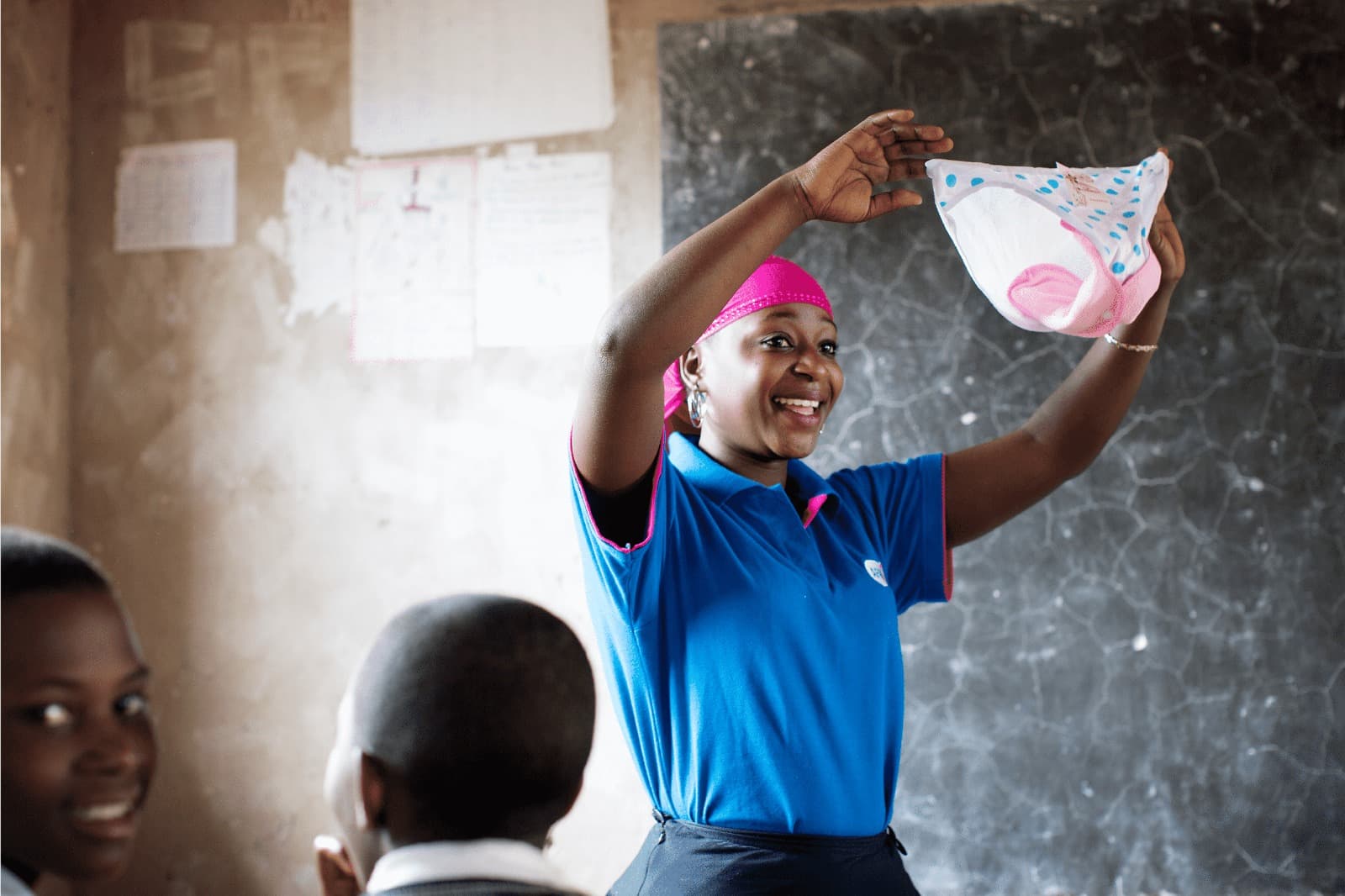
UNBS has already developed standards covering disposable sanitary towels, reusable sanitary towels, menstrual cups and tampons. Officials said these standards aim to guide manufacturers and ensure that products sold in Uganda meet quality and safety requirements.
Uganda is also participating in the development of global menstrual product standards through the International Organization for Standardization Technical Committee 338. UNBS is contributing through its national technical committee on textiles and related products, which is helping shape both single-use and reusable product standards.
Participants at the symposium discussed the need for tax and regulatory reforms to reduce the cost of menstrual products. They also called for support to local manufacturers to produce affordable and quality-assured products. Stakeholders emphasised the importance of stronger collaboration to improve access, particularly in rural areas.
Discussions highlighted that many girls in Uganda continue to miss school due to limited access to menstrual products and inadequate sanitation facilities. Participants said addressing the problem requires coordinated action involving policy reform, enforcement of standards and market development.
UNBS said it will continue working with government agencies, development partners and private sector players to promote innovation, research and production of quality menstrual products. Mukota said the bureau will support standards development and enforcement while creating an enabling environment for investment in menstrual health solutions.
The symposium formed part of a wider regional initiative under the Menstrual Health and Hygiene: Unlocking Women’s Power programme, which aims to improve regulatory and policy environments across several African countries.
 Health
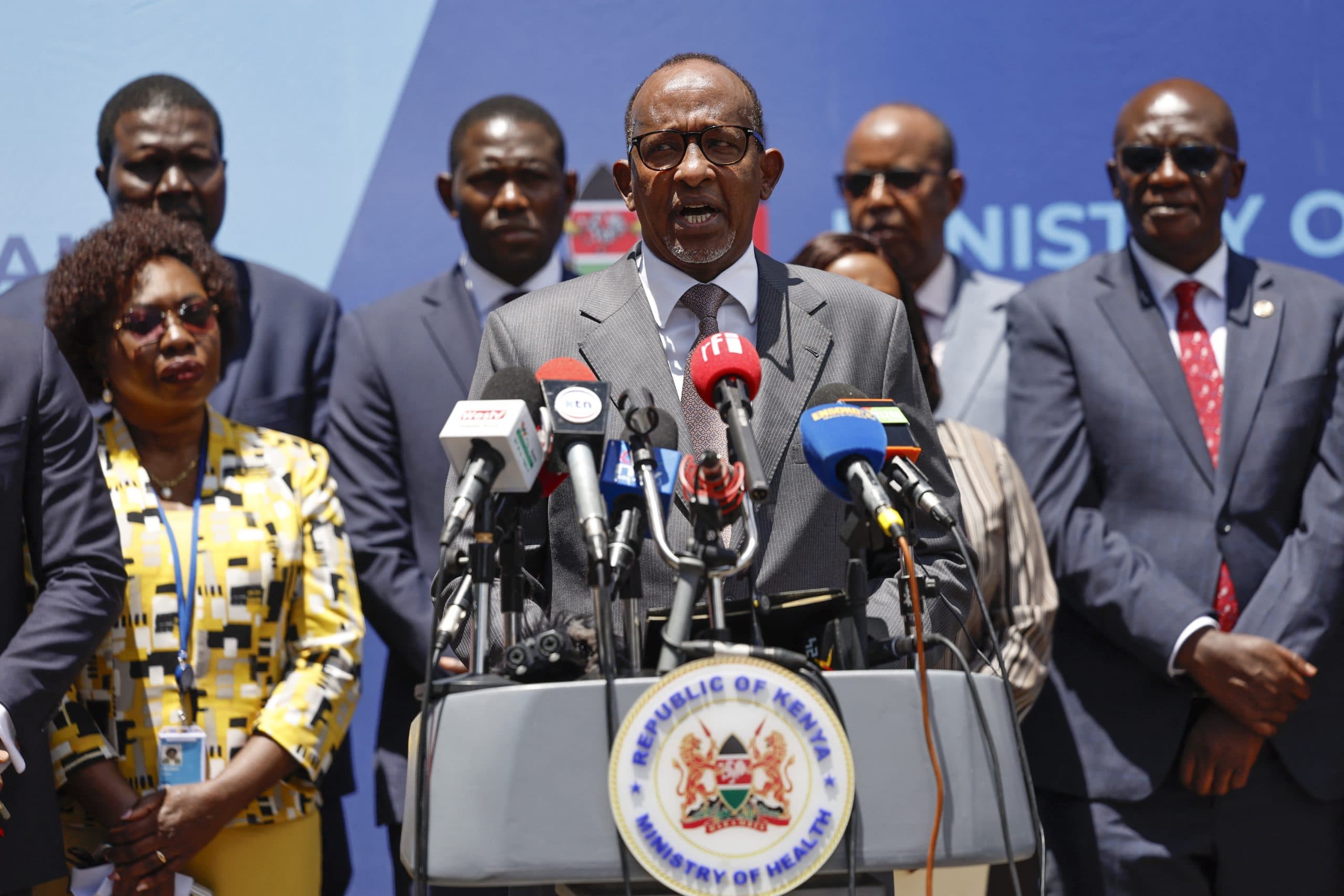
Kenya Confirms Ebola Case, Mounts Contact Tracing for Passengers, Health Workers
Kenya has confirmed its first imported case of Ebola Virus Disease after a patient who traveled by road from the Democratic Republic of Congo through Kampala to Nairobi succumbed to the virus at Nairobi Hospital, prompting health authorities to place 28 primary contacts under observation and trace 23 passengers and crew members.