
Uganda has been appointed Coordinator for the Food and Agricultural Organisation/ World Health Organisation (FAO/WHO) Coordinating Committee for Africa (CCAFRICA) for the period 2020 to 2022.
The appointment, which was announced this past week made Uganda the only African country to coordinate CODEX activities in Africa for the second time.
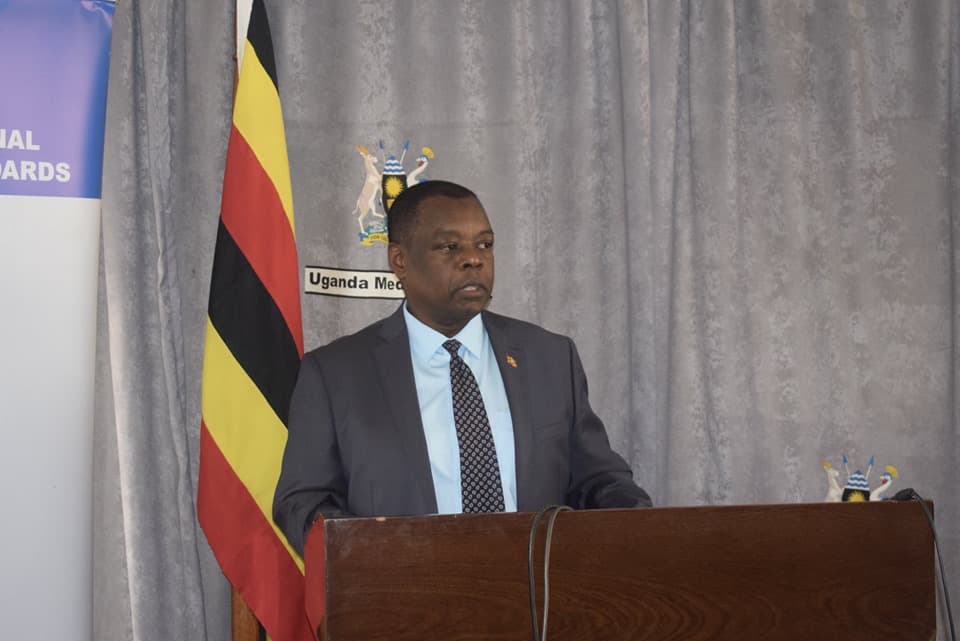
Uganda takes over from Kenya, whose tenure expires this year. According to the Uganda National Bureau of Standards (UNBS), the appointment was made by the top body in the CODEX structures, Codex Alimentarius Commission, during its ongoing 43rd meeting that was held virtually.
UNBS is the Codex Contact Point for Uganda as well as the National Codex Committee (NCC) Secretariat.
The Codex Alimentarius is a collection of internationally adopted food standards and related texts presented in a uniform manner.
These food standards and related texts aim at protecting consumers’ health and ensuring fair practices in the food trade.
The publication of the Codex Alimentarius is intended to guide and promote the elaboration and establishment of definitions and requirements for foods to assist in their harmonization and in doing so to facilitate international trade.
Currently, the Codex Alimentarius Commission has 189 Codex Members made up of 188 member countries and 1 member organization (The European Union).
The role of CCAFRICA is to, among others, promote the acceptance of Codex standards, develop regional standards for food products moving exclusively or almost exclusively in intraregional trade and define the problems and needs of the region concerning food standards and food control.
Uganda was last appointed to coordinate CODEX activities in Africa in 1999 and the coordination lasted 2003. Uganda has been a member of CODEX since 1964.
Apart from UNBS, the other key government entities in the process include the Ministry of Health, which signed a letter confirming Uganda’s expression of interest to serve as the Coordinator, the Ministry of Agriculture, Animal Industry and Fisheries (MAAIF), the Ministry of Trade, Industry and Cooperatives (MTIC) and the National Drug Authority (NDA).
“The MDAs are at the frontline because of their central role in food safety,” UNBS said in a statement. Uganda’s appointment will market Uganda’s tourism potential and raise awareness of food safety issues. It will also help position Uganda to have improved access to regional and international markets for exports of her food commodities and products.
“During our tenure as coordinators, great attention will be given to generating regional priorities through a consultative process taking into consideration the coming into force of the African Continental Free Trade Area in January 2021 which is a turning point for the African Continent and food standards elaborated through the Codex system will be key enablers in facilitating trade in food and agriculture commodities and product across the continent and ensuring that the health of the over 1 billion inhabitants is protected,” UNBS said.