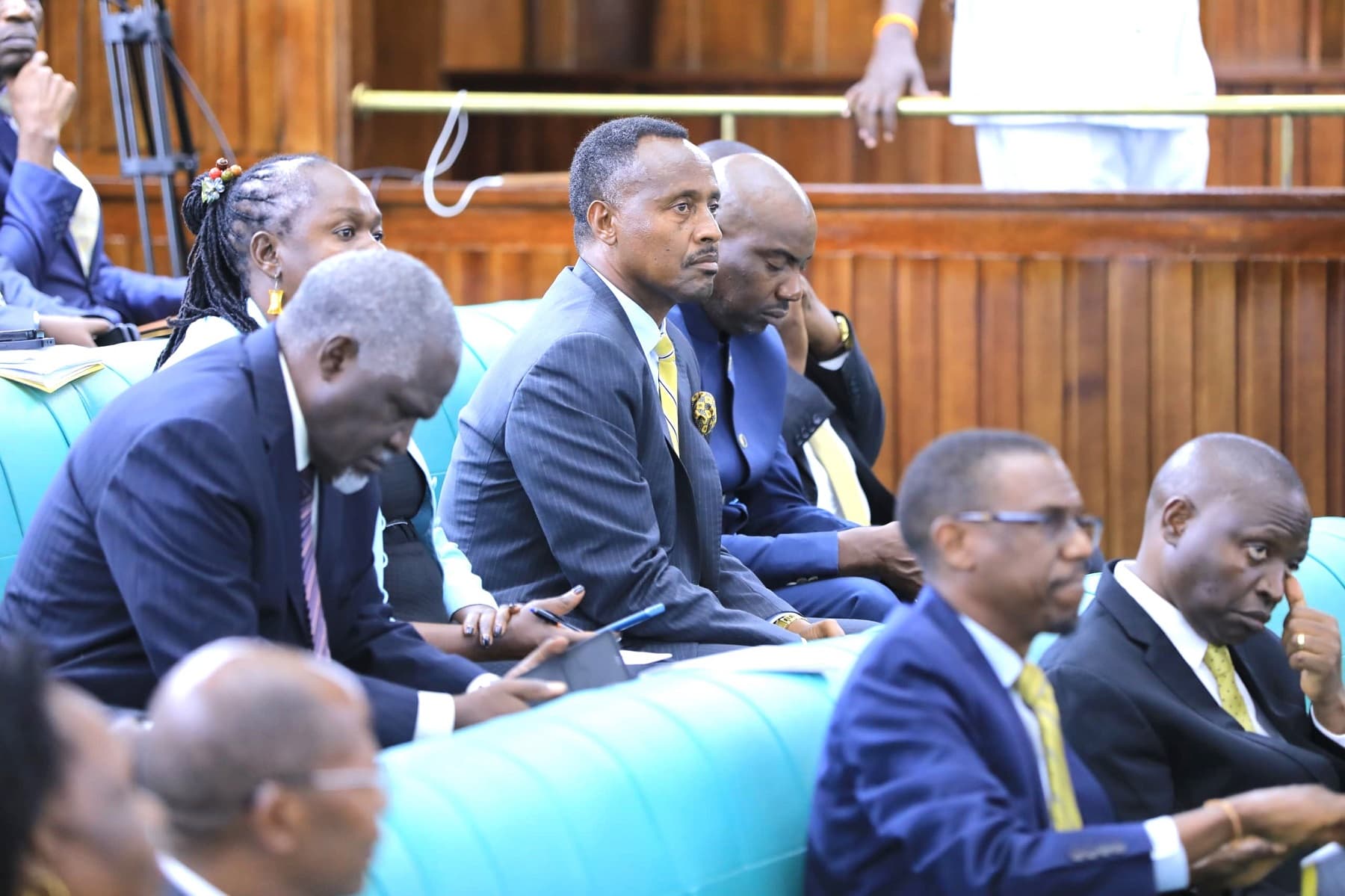
Parliament has unanimously called for increased funding to the Uganda National Bureau of Standards (UNBS) following complaints of delayed certification processes and weak enforcement of standards.
Legislators noted that UNBS takes nearly a year to respond to certification requests, frustrating businesses and enabling counterfeit products to flood the market.
“UNBS is facing severe financial and human resource challenges such that their turnaround time to certify a product is 12 months, while our counterpart in Kenya takes only one month,” said Hon. Naboth Namanya (FDC, Rubabo County).
Namanya expressed concern that despite generating significant revenue, UNBS lacks the resources to fulfil its mandate effectively.
“UNBS charges Shs800,000 to certify a single product, collecting around Shs80 billion annually, yet its budget is only Shs40 billion. I urge the Committee on Tourism and Trade to assess the entity and understand its limitations,” he said during Tuesday's plenary session chaired by Speaker Anita Among.
Speaker Among decried the difficulties traders face due to the inefficiencies of UNBS.
“As a regulatory body responsible for setting and enforcing standards, the public expects greater efficiency. There are delays. I urge UNBS to audit and issue certificates to help businesses thrive,” she said.
Samuel Opio (Kole North County) criticised UNBS for taking three months to renew expired licences, which halts production and export activities.
“When a licence expires, you’re barred from putting products on shelves, meaning businesses lose revenue for at least three months,” Opio said.
The agency’s inability to curb counterfeit products has also raised alarms. Hon. Geoffrey Macho (Busia Municipality) claimed unregulated locally made liquors contribute to impotence and family breakdowns.
“We have liquors on the market that are not regulated and pose health risks, leading to gender-based violence and divorces,” he said.
The Chairperson of the Committee on Finance, Planning, and Economic Development, Amos Kankunda, attributed the challenges to funding mechanisms.
“UNBS receives payments for certifications, but the funds go to the Consolidated Fund. The allocated budget is insufficient, leaving the agency understaffed and unable to meet demands,” Kankunda explained.
MPs warned that Uganda risks allowing toxic products into the market if UNBS is not strengthened. They also noted that pre-shipment assessments for imported products will remain ineffective without adequate resources.
The Minister of State for Trade, Industry, and Cooperatives (Industry), Hon. David Bahati, pledged to investigate the certification delays.
“We shall review how long it takes to process certifications. UNBS needs support to recruit more staff for enforcement and certification,” he said, noting that Uganda’s industrial sector has grown to 9,400 registered factories contributing 27.4% of GDP.
Speaker Among directed the Committee on Tourism and Trade to assess UNBS’s performance and budgetary needs ahead of the 2025 Budget Framework Paper discussions.