

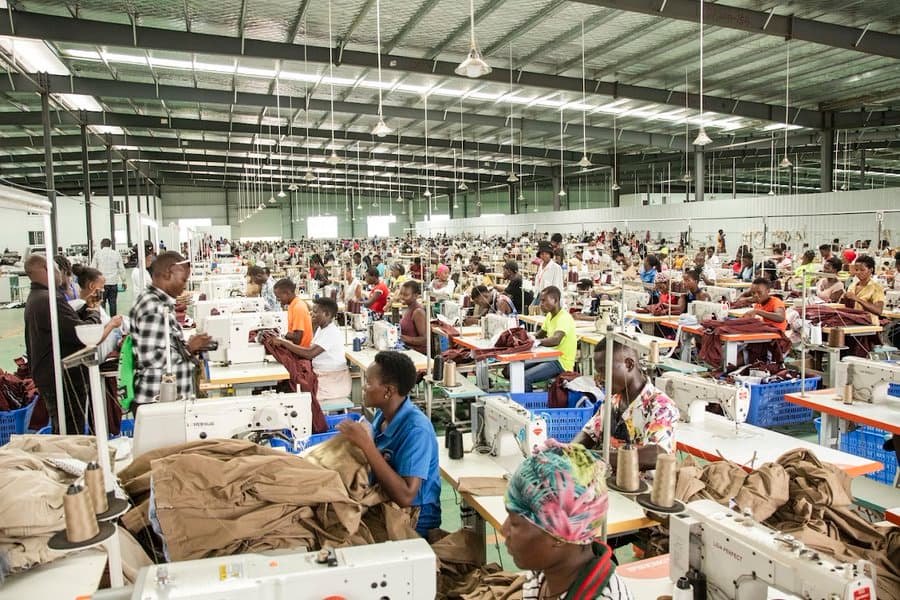
Uganda has announced a proposal to exempt certain textile inputs from the imposition of value-added tax (VAT), as outlined in the Value-Added Tax (Amendment) Bill 2025. The exemption includes textile inputs such as wet processing operations, garmenting, cotton lint, artificial fibres for blending, polyester staple fibre, and viscose.
Other textile inputs set for VAT exemption are textile dyes and chemicals, garment accessories, textile machinery spare parts, industrial consumables for textile production, and equipment used in textile manufacturing.
The proposed amendments also extend VAT exemptions to solar lanterns, deep cycle batteries, and raw materials for the manufacture of these products. Biomass pellets are also exempted from VAT to encourage the use of cleaner, energy-efficient cooking and heating solutions, which will help reduce reliance on traditional biomass fuels.
In addition, the Bill proposes a zero tax rate on aircraft supply.
The State Minister of Finance (General Duties) explained that these exemptions aim to support local production, reduce dependence on imports, and drive Uganda's industrialisation efforts. “By supporting domestic manufacturing, these measures are expected to create jobs, enhance value addition, and stimulate economic growth,” the minister said.