

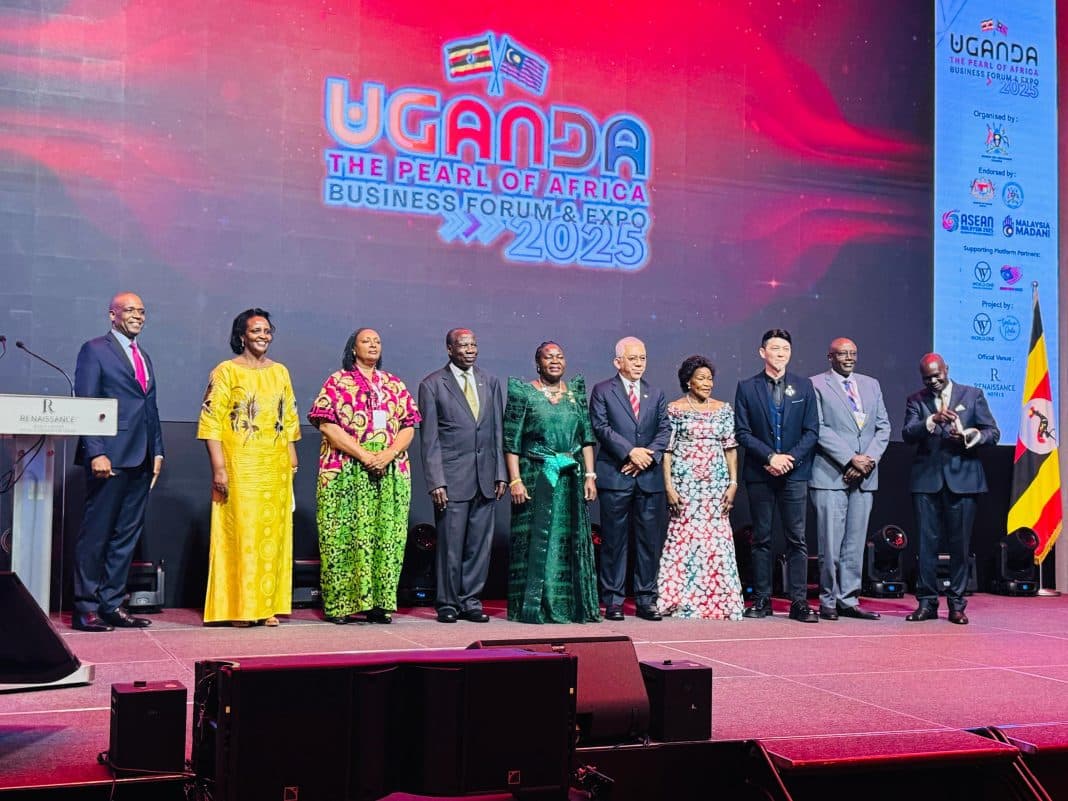
Uganda has launched an economic agenda aimed at growing its economy tenfold—from USD 50 billion in FY 2022/23 to USD 500 billion by 2040—through strategic investments and enhanced commercial diplomacy.
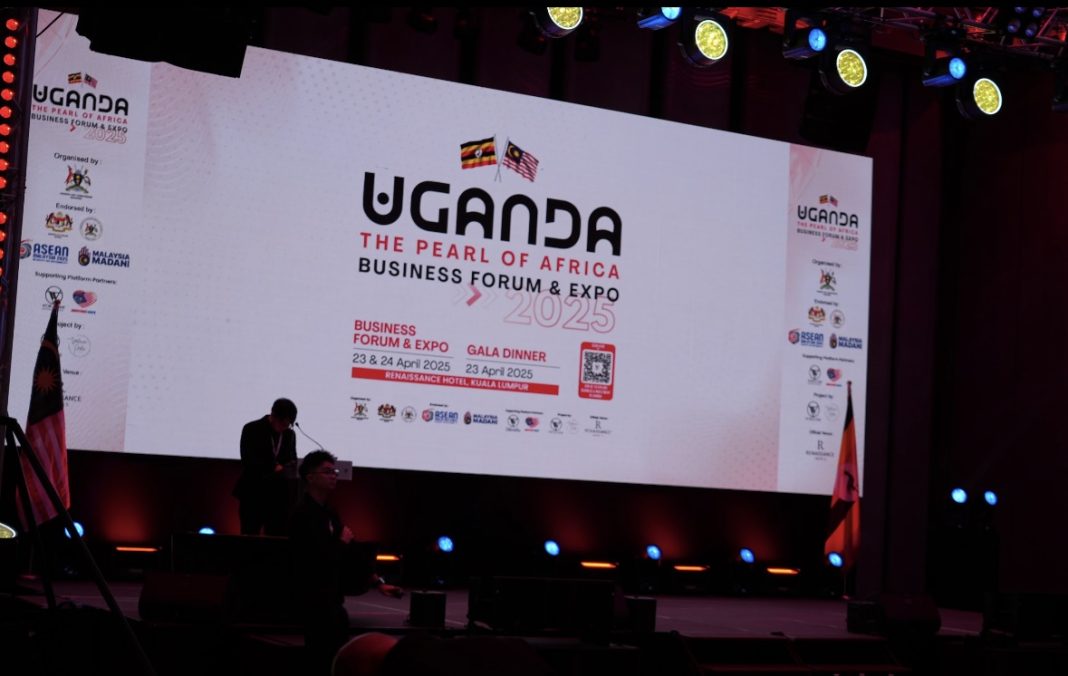
Finance Minister Matia Kasaija unveiled the plan during the Pearl of Africa Trade Expo in Malaysia, organized by the Uganda High Commission to tap into the ASEAN market. The Association of Southeast Asian Nations (ASEAN) includes 10 countries with a combined GDP of over USD 3 trillion.
Kasaija attributed Uganda’s appeal to investors to a stable macroeconomic environment, affordable industrial power tariffs, and a liberalized economy. “We have sustained peace, a stable currency, and strong Foreign Direct Investment flows, rising from USD 1.2 billion in 2020 to USD 3.0 billion in 2023,” he said.
He noted that with the private sector contributing 80% to GDP, Uganda is seeing increasing demand for goods and services across various industries.
Kasaija urged investors to focus on agro-industrialization, tourism, mineral development—including oil and gas—and science, technology, and innovation. “Malaysia is well positioned to help Uganda shift from low-value to high-value exports,” he added.
The International Monetary Fund projects Uganda’s economy to grow by 7.5% in 2025, placing it among the world’s fastest-growing economies. Government’s overarching goal is to fully monetize the economy and drive structural transformation.
Uganda’s strategic membership in regional blocs such as the East African Community (EAC), COMESA, and AfCFTA offers investors access to a free trade area of 1.5 billion people.
Kasaija also noted Uganda’s rising return on investment, which surpassed 14% in 2022. Over the past 15 years, the country has added 31 new products—mostly manufactured—to its export basket, including concentrated milk, hair products, and casein.
Minister for Energy Ruth Nankabirwa highlighted major investment potential in the energy sector. “Uganda has explored only 40% of its petroleum resources. We offer opportunities in electricity generation, transmission, and distribution,” she said.
She also announced that Uganda has completed high-resolution geophysical surveys and is conducting geological mapping to unlock further mineral and energy resources. “Uganda is ready. We have incentives and the infrastructure to support investment,” she said.
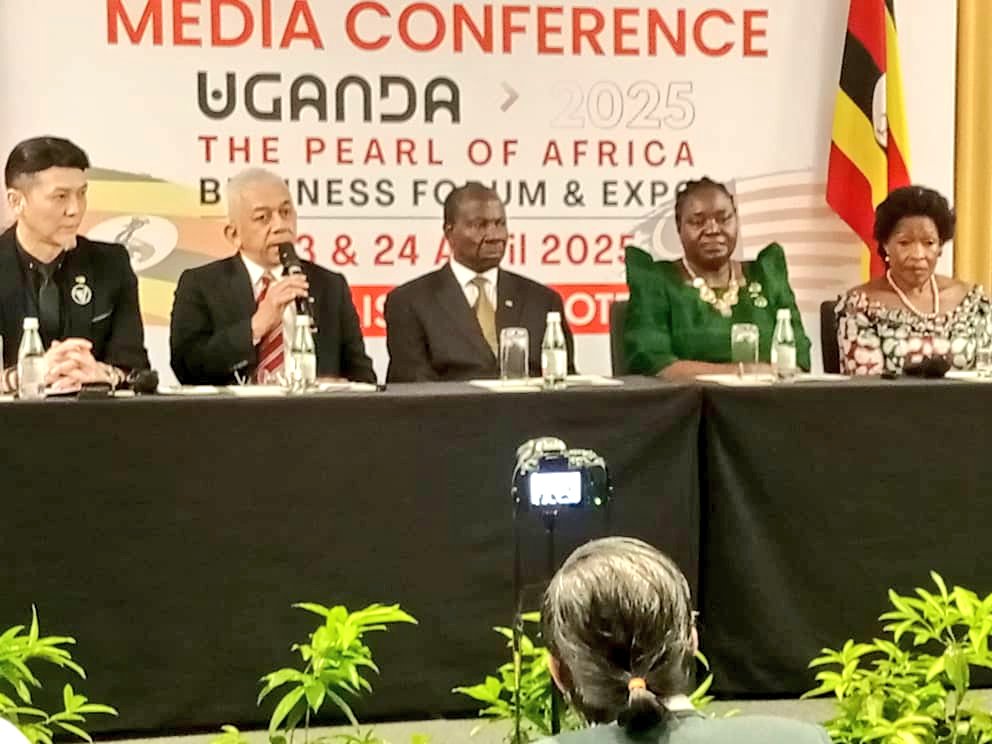
At the sidelines of the Expo, Uganda’s delegation met with Malaysian officials led by Deputy Minister of Investment, Trade and Industry, Hon. YB Liew Chin Tong, who expressed interest in bilateral partnerships in agriculture.
State Minister for Agriculture Bright Rwamirama cited Uganda’s robust livestock industry as a key opportunity. “We have 16.5 million cattle, 18.5 million goats and sheep, and 8 million pigs—ready for investment,” he said.
The Expo also drew high-level attendees, including Malaysia’s Minister of Agriculture and Food Security, Yang Berhormat Datuk Seri Haji Mohamad Bin Sabu.
Uganda’s increasing engagement in economic diplomacy and international trade promotion signals a strong push to elevate its global investment profile and drive long-term growth.