
Starlink has launched its satellite internet service in Uganda, opening access to its high-speed network after years of regulatory negotiations.
The company announced the commercial rollout on September 2, 2026.
“High-speed, low-latency internet is now available in Uganda,” Starlink announced.
Uganda’s foreign affairs minister Adonia Ayebare confirmed the launch and thanked those who supported the process.
“Happy to announce that Starlinks is now live in Uganda, look out for the official Starlinks announcement shortly. This is to thank every one involved,” Ayebare posted on X.
Ugandans can order the service through Starlink’s official website. Customers must enter their location, select a package and equipment kit, provide a delivery address and pay using an accepted bank card.
The Residential Lite package costs Shs203,704 per month. It offers unlimited data and download speeds of up to 100Mbps.
The Standard residential package costs Shs285,185 per month. Starlink markets it to households with several devices and users who stream videos or download large files.
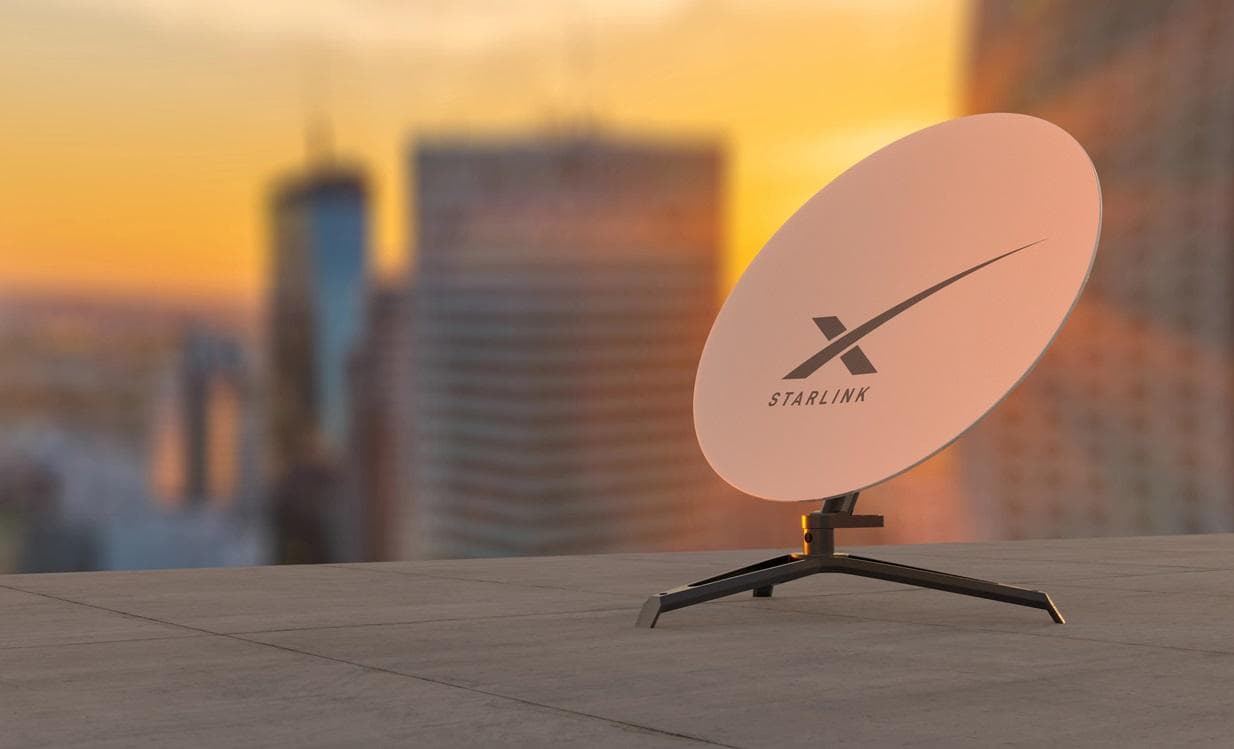
The portable Mini kit costs about Shs1.86 million, including equipment, regulatory and delivery charges.
The Standard kit has a base price of Shs1,743,778. A Shs437,036 regulatory fee and Shs115,741 shipping charge raise the total initial payment to about Shs2.3 million.
The launch follows an operational licence agreement between Starlink and the Uganda Communications Commission in May.
The agreement requires Starlink to establish a national gateway, physical presence and operational office in Uganda.
Starlink enters a market dominated by MTN Uganda, Airtel Uganda and fibre providers such as Roke Telkom.
Starlink’s higher equipment cost could limit its appeal in Kampala and other areas with fibre connections. Its advantage lies in underserved locations because it uses low-Earth orbit satellites instead of fibre cables or mobile towers.
The service could attract rural homes, schools, health facilities, farms, lodges and companies operating in remote areas.