
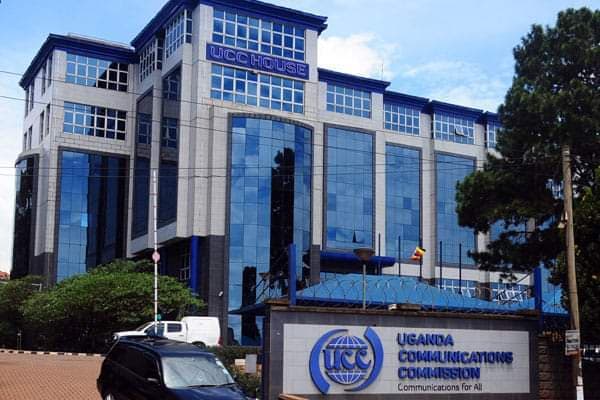
The Uganda Communications Commission (UCC) has initiated a nationwide clampdown on illegal and unlicensed Wi-Fi hotspot operators, following persistent complaints from licensed telecommunication firms.
These grievances pointed to unfair market practices allegedly perpetuated by unauthorised service providers who resell internet at significantly cheaper rates, creating a distorted competitive landscape.
Acting under the provisions of the Uganda Communications Act Cap 103, the UCC conducted investigations which confirmed that many of these hotspot businesses obtain internet in bulk from licensed Internet Service Providers (ISPs) at discounted rates.
They subsequently resell this data to consumers at lower prices, often under separate brand identities. The Commission found that this practice not only confuses consumers but also severely undercuts licensed providers whose standard pricing structures are unable to match these unauthorised offers.
The report from the UCC outlined several problematic behaviours, including the bulk purchase and resale of internet by informal operators, use of untraceable branding, and partnerships with licensed entities to facilitate illegal reselling. In some cases, these collaborations raised compliance concerns even among formally recognised ISPs.
In response, the Commission has directed all telecommunications providers to keep detailed records of all entities purchasing wholesale data for resale purposes. Providers are also expected to submit updated lists of their authorised agents by 31 August 2025 and provide quarterly reports identifying agents offering Wi-Fi hotspot services under their licence.
Wi-Fi hotspot businesses have expanded rapidly across Uganda, especially in urban and peri-urban settings. Informal providers, often referred to as "public Wi-Fi" or "hotspot vendors", have gained popularity among low-income earners, students, and small businesses by offering affordable internet via shared connections. Typically, they buy “unlimited” data packages and charge users for short-term access, creating a flexible and accessible model for digital connectivity.
However, this growth has come with regulatory challenges. The unregulated nature of these services has resulted in significant revenue losses for licensed ISPs who invest in infrastructure and comply with legal obligations. The UCC’s enforcement campaign seeks to restore order, safeguard fair competition, and ensure that all operators function within approved regulatory frameworks. Those who fail to adhere to the new requirements risk sanctions under the law.