Parliament has passed a resolution urging the government to review its undergraduate sponsorship programme.
The lawmakers demand an increase in university slots allocated under the District Quota Scheme.
This initiative aims to improve higher education access for students from poor, disadvantaged, and rural communities.
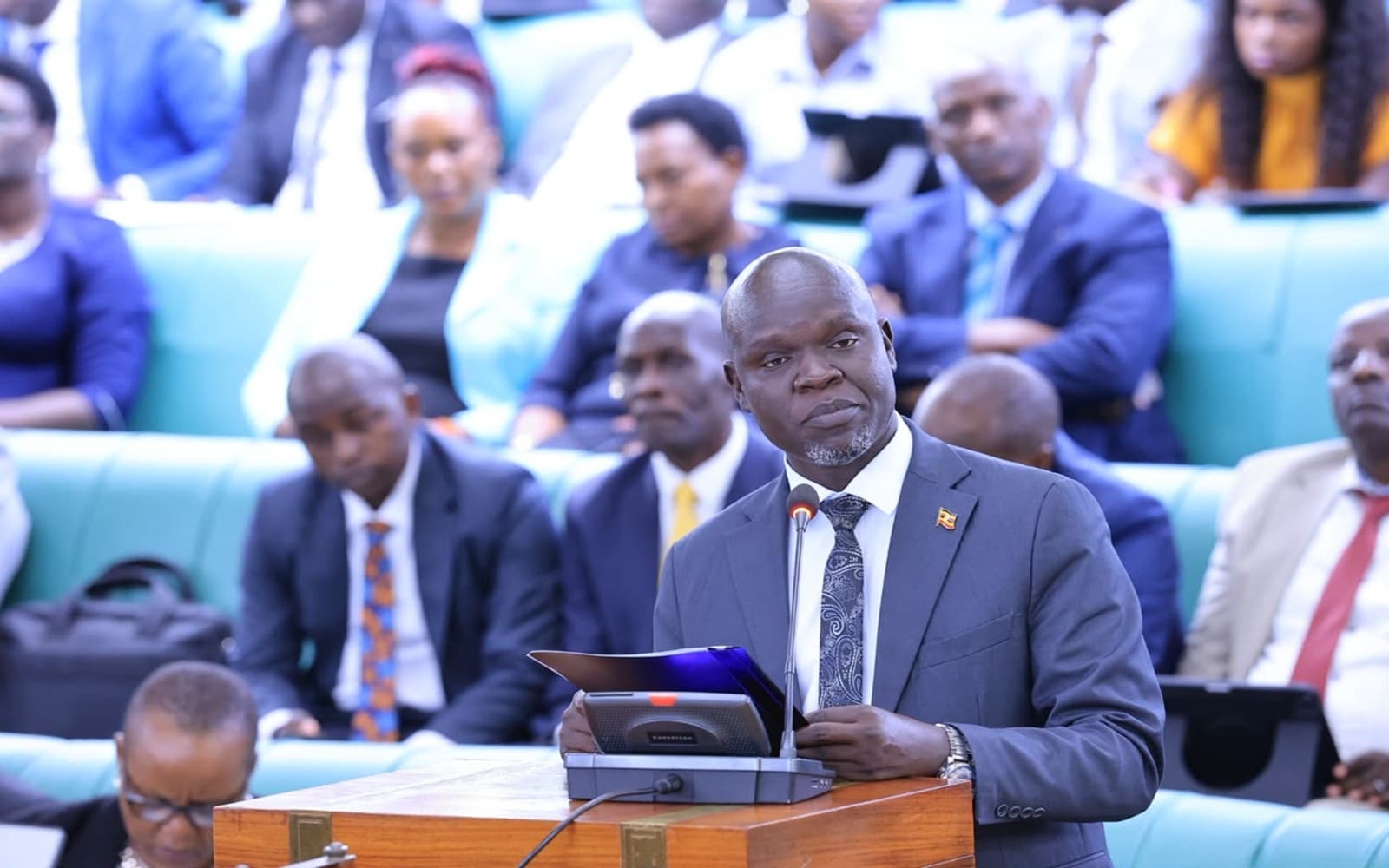
Hon. Martin Ojara Mapenduzi moved the motion during a Tuesday house sitting chaired by Deputy Speaker Thomas Tayebwa.
Mapenduzi argued that the current allocation fails to reflect Uganda’s growing student population.
He also noted that the current system fails to address inequalities in public university admissions.
The resolution specifically calls for a redistribution of the 4,000 annual government sponsorship slots.
Currently, the government awards 3,000 of these slots through the national merit scheme.
The remaining 1,000 slots go to affirmative action programs.
Under these programs, the District Quota Scheme receives 896 places, while the Sports Scheme gets 40 and the Special Needs Scheme gets 64.
Members amended the motion's heading during the sitting to include the sports and special needs schemes.
Hon. Alex Ndeezi welcomed the proposal and called for immediate adjustments.
"There can never be a vulnerable student more than that with special needs," Hon. Laura Kanushu said. "If there are people who need a sponsorship at the universities more than anyone else, it is the students with disabilities."
Kanushu also proposed prioritizing students from Universal Primary Education and Universal Secondary Education public schools.
Rubanda County West MP, Hon. Bruce Balaba, supported the motion with academic performance data.
"There is evidence that the children from the rural schools who come with slightly lower grades... when they reach the university, they perform better than those with excellent grades from the other schools," Balaba said.
Balaba proposed reserving half of the district quota slots for science programmes.
Deputy Speaker Thomas Tayebwa directed ministers to submit an action-taken report on the resolution within 60 days.