
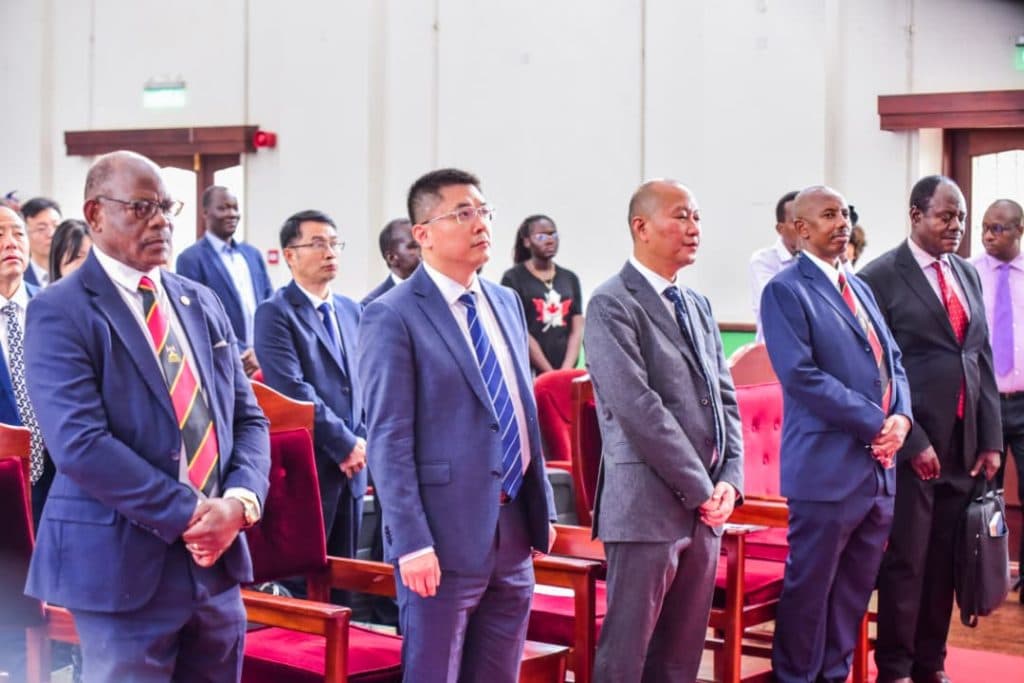
Makerere University has announced plans to establish a Centre for Chinese Studies to expand Mandarin language education, cultural exchange, and scholarly research into China’s economic development model and its growing strategic engagement with Africa.
The announcement was made by Makerere University Vice Chancellor, Prof. Barnabas Nawangwe, during a China–Africa Public Lecture hosted at the institution under the theme “Knowledge, Culture and Economic Transformation: Rethinking China–Africa Partnerships in a Changing Global Order.”
Prof. Nawangwe stated that the upcoming centre will build upon Makerere’s existing Mandarin language instruction to create a comprehensive academic hub for studying China’s socio-economic transformation. Drawing historical parallels between Africa’s experience of colonial partition and China’s past subjugation by foreign powers, he urged African policymakers and researchers to examine how Beijing achieved sustained national development.
“China, in 30 years, managed to move 400 million people out of poverty,” Prof. Nawangwe noted, challenging scholars to dissect the policy frameworks behind China’s rapid industrialization and apply relevant lessons to Africa’s poverty alleviation agenda.
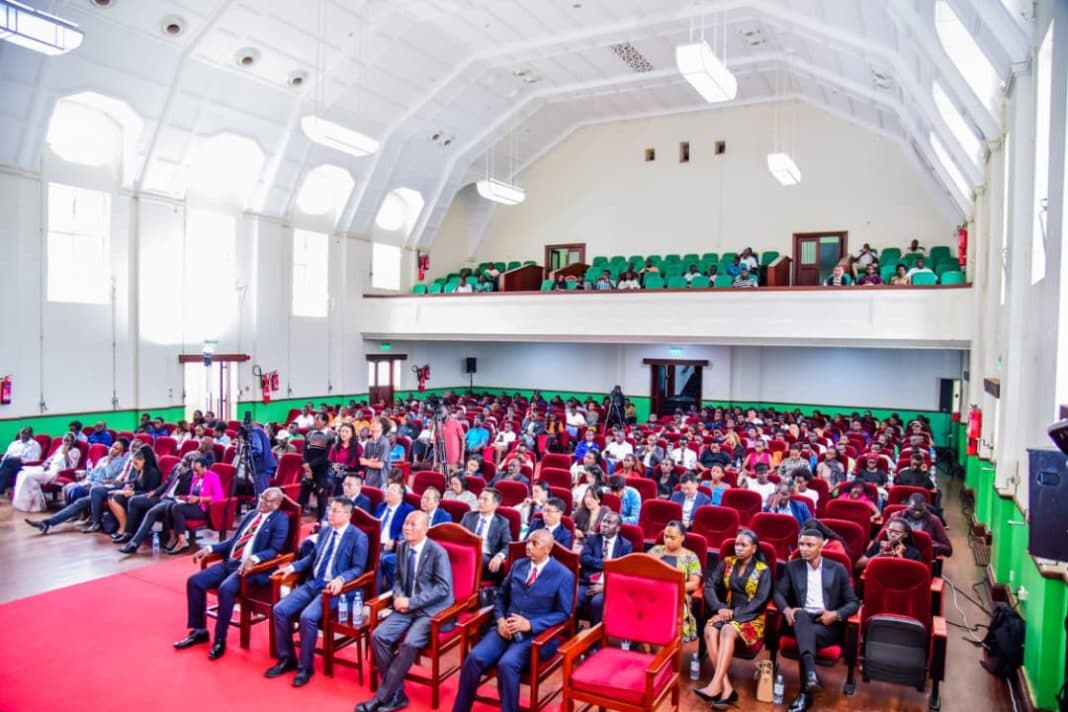
Delivering the keynote address, Makerere political scientist Prof. Julius Kiiza urged participants to critically interrogate the dynamics of China–Africa relations rather than accepting diplomatic rhetoric at face value. Pointing to the framing of the lecture’s theme, which placed China ahead of Africa, Prof. Kiiza argued that official terminology often masks asymmetrical power relations where one party wields superior financial, institutional, and bargaining leverage.
“When you begin with China, then bring Africa, and then say it’s a partnership, you are making a very clear proposition, namely that whereas we are using officially the word partnership, we may be talking about asymmetrical power relations,” Prof. Kiiza observed. He challenged African states to distinguish between public diplomatic language and "real diplomacy" by clearly defining their national interests and negotiating strategies to avoid engaging from a position of structural disadvantage.
Representing China’s Xiangtan University, Makerere’s long-standing partner in operating the Confucius Institute, Prof. Lin Jingang reaffirmed his institution’s commitment to supporting the centre’s growth into a regional hub of excellence for language instruction, cultural exchange, and academic collaboration.
The lecture also featured a multidisciplinary panel discussion moderated by Dr. Eunice Akulo, a lecturer in Makerere’s Department of Political Science and Public Administration. Panellists included Mandarin educator Mr. Mukama Chris; Nkumba University political science lecturer and Makerere PhD candidate Ms. Sarah Mirembe, who researches U.S. and Chinese cybersecurity partnerships in East Africa; Makerere PhD candidate and Dollar Travel Services director Mr. Godfrey Muhairwe; National Curriculum Development Centre Chinese translation specialist Ms. Hilda Ayebare; and Prof. Wang Weiyan, Director of the International Exchange Centre at Xiangtan University.
The proposed Centre for Chinese Studies is expected to anchor deeper institutional research into bilateral trade, technology transfer, and diplomacy as African nations navigate a shifting global geopolitical landscape.