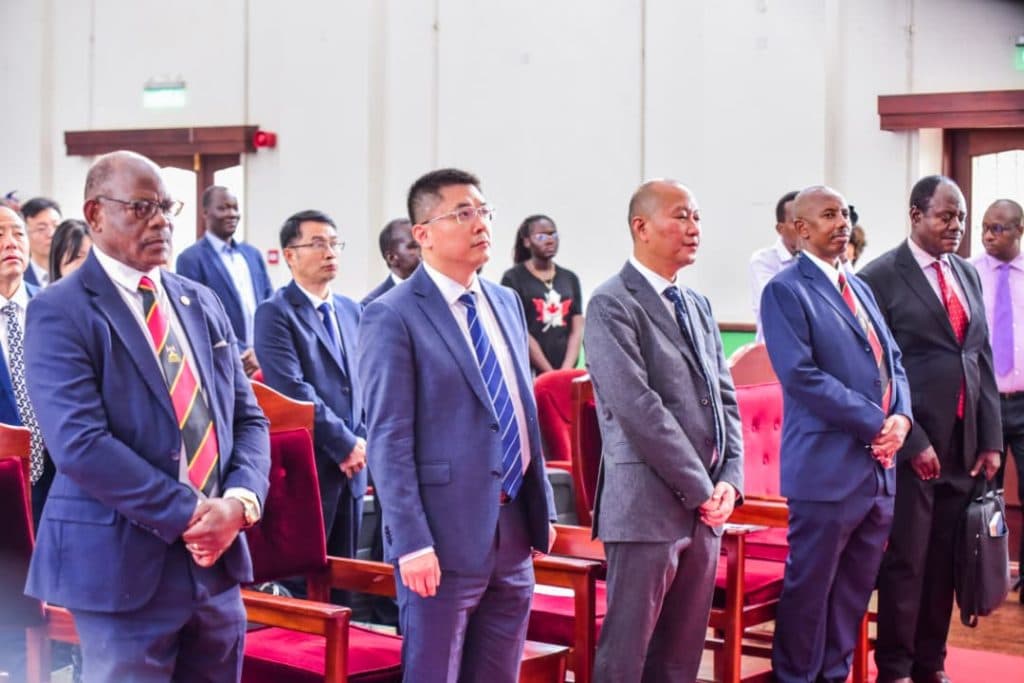

Parliament has pledged to support Mbarara University of Science and Technology (MUST) in expanding its infrastructure and research programmes to address Uganda's healthcare challenges.
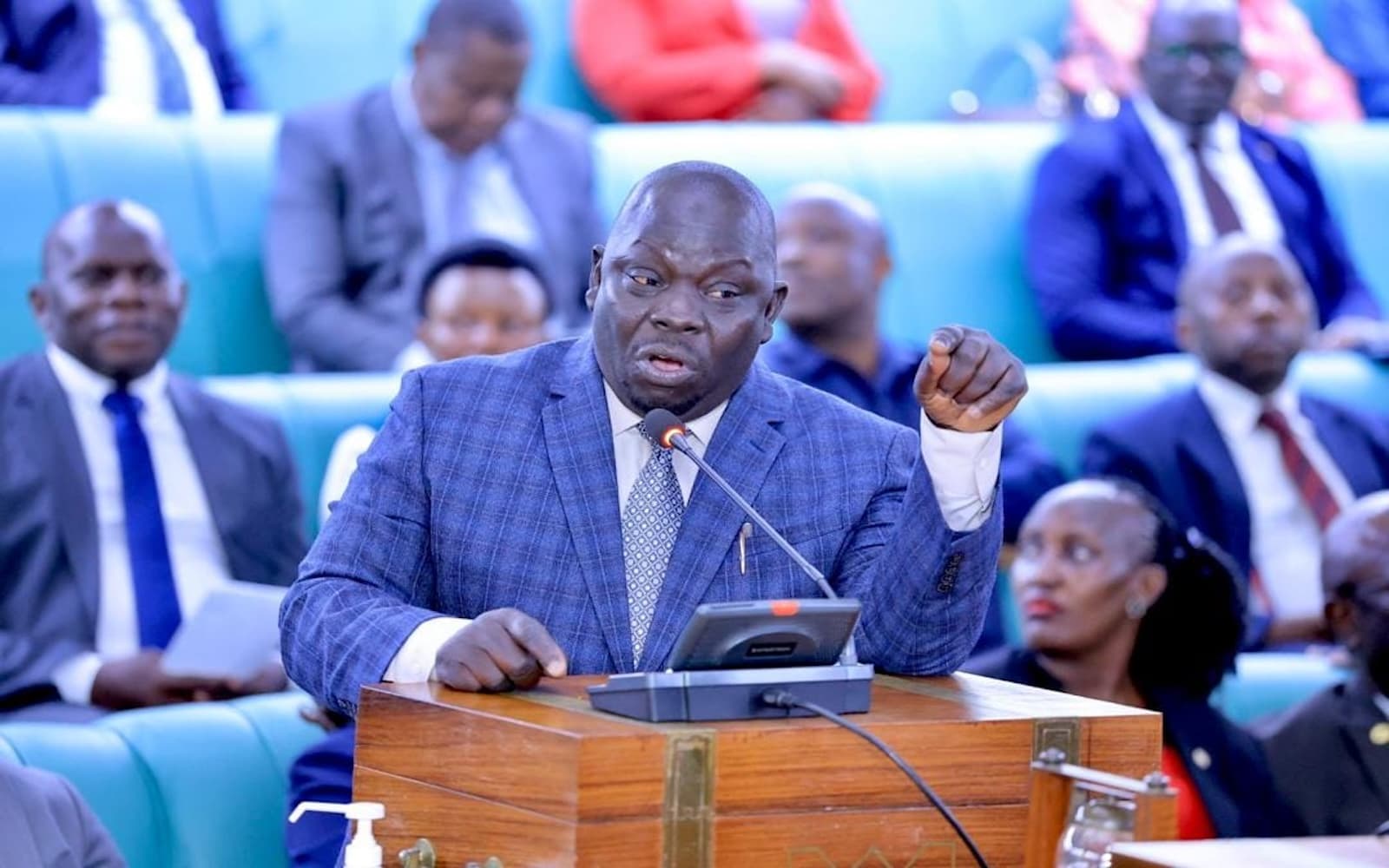
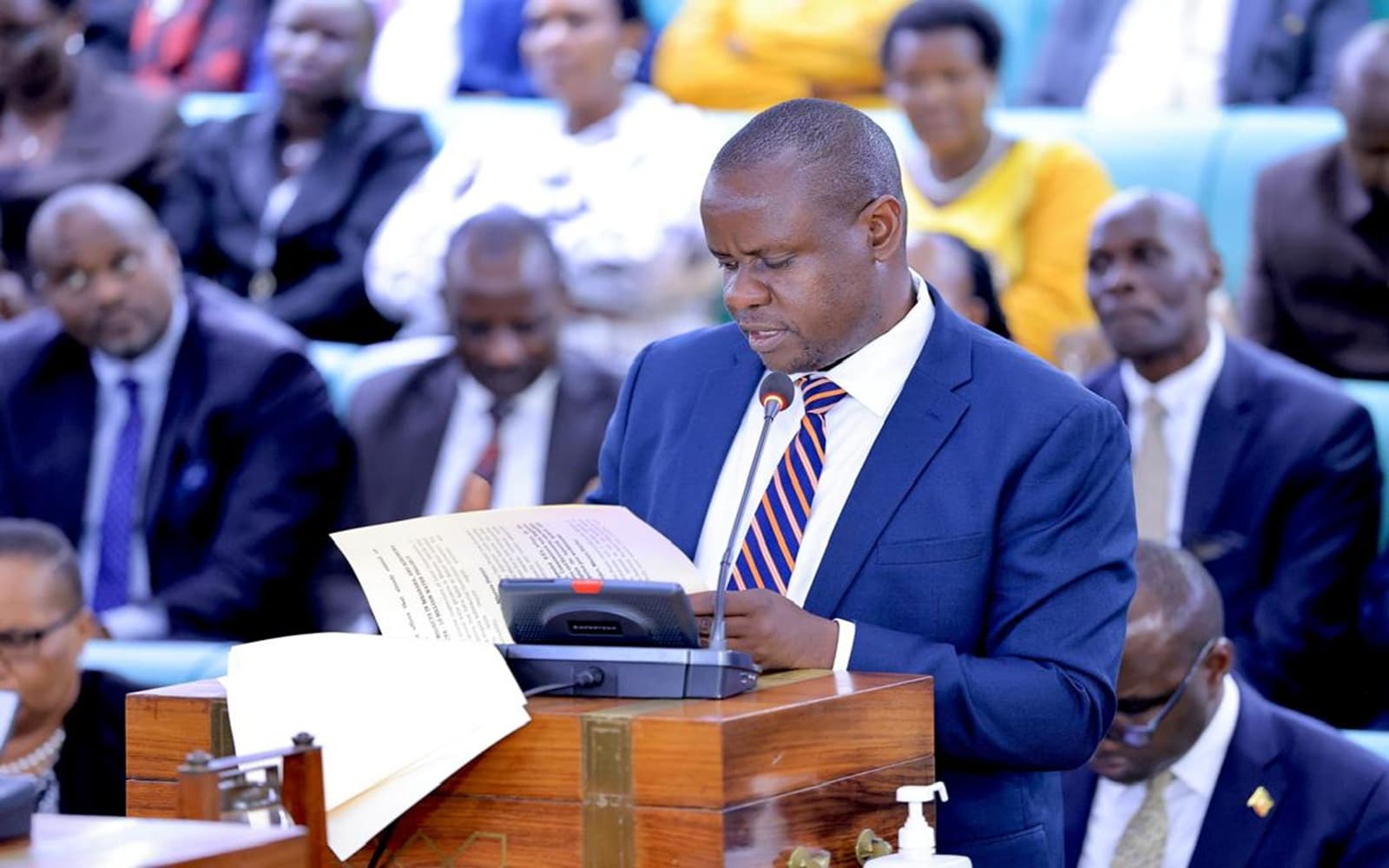
Speaker Jacob Marksons Oboth made the commitment during the university's 21st Annual Research Dissemination Conference on November 20, 2026.
Oboth said Parliament would provide financial support and help ensure that scientific findings influence government policies and laws.
“We want to pledge our commitment as Parliament to support not just Mbarara University of Science and Technology, but the training institutions and, more so, research. We want research to inform the decisions that we make in this country,” he said.
He challenged universities to focus on research that solves problems rather than measuring success through academic publications.
“We must begin to appreciate research not by the papers presented or publications produced, but by the problems solved. The real harvest of research is its impact,” he said.
Oboth proposed stronger links between universities and Parliament to ensure that research guides legislation.
He said Parliament's Research Department and the revived Institute of Parliamentary Studies could help turn scientific findings into policies.
“If MUST is willing to champion the initiative, let us begin here. And I can assure you, Parliament will be knee-deep in this effort,” he said.
The Speaker also committed Parliament to sponsoring MUST's next annual research dissemination conference.
MUST Vice Chancellor Prof Pauline Byakika-Kibwika welcomed the pledge but urged the government to increase funding for research.
She said international grants remain important but cannot replace government investment in laboratories, young scientists and priority research programmes.
Prof Byakika-Kibwika also announced that MUST had entered the Times Higher Education World University Rankings for the first time, securing a position in the 1,601–1,800 band.
The chairperson of Parliament's Committee on Science and Technology, Simon Acuti Opio, praised the university for developing practical innovations, including renewable fuel briquettes made from waste.
However, he expressed concern that many promising innovations never reach the market.
“I can assure you, as the Committee on Science and Technology, we shall fund. It might not be at one go, but in bits,” he said.
During his visit, Oboth inspected the proposed College of Health Sciences construction site at MUST's city campus.
The planned facility will accommodate several schools, including Medicine, Nursing, Dentistry, Biomedical Sciences and Medical Laboratory Sciences.
The university estimates that the first construction phase will cost Shs96.7 billion and take three years to complete.
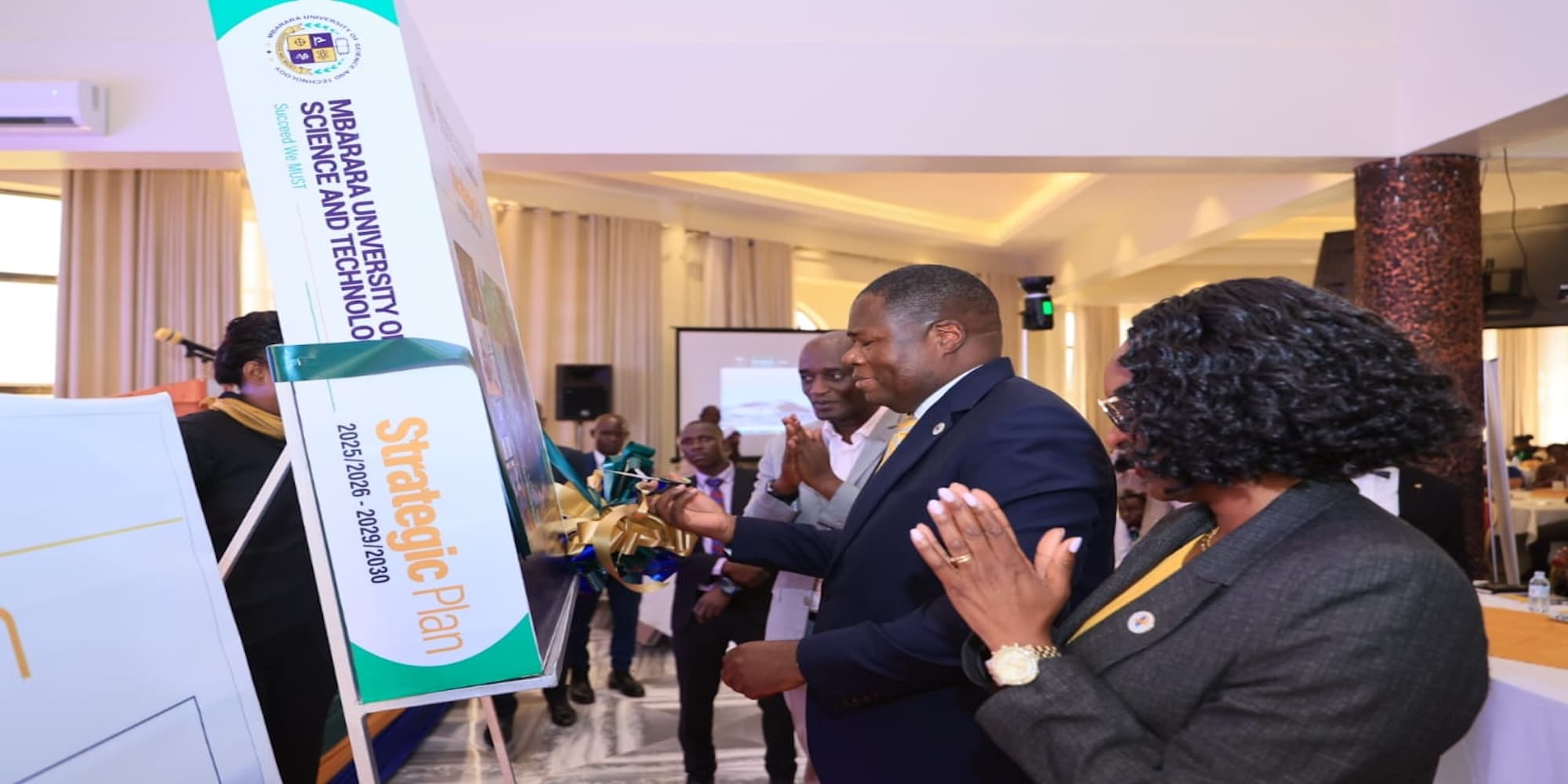
Oboth also launched MUST's Strategic Plan 2025–2030 and the University Master Plan.
The broader development plan carries an estimated budget of Shs180.8 billion. The National Housing and Construction Company designed it, while the National Enterprise Corporation is responsible for its implementation.
The developments form part of MUST's efforts to expand medical training, improve research facilities and strengthen Uganda's healthcare workforce.