

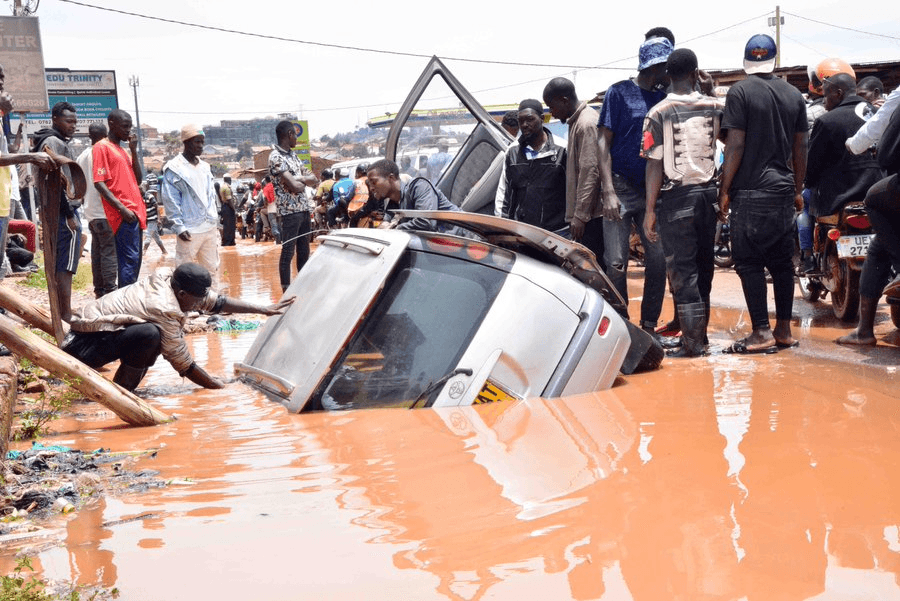
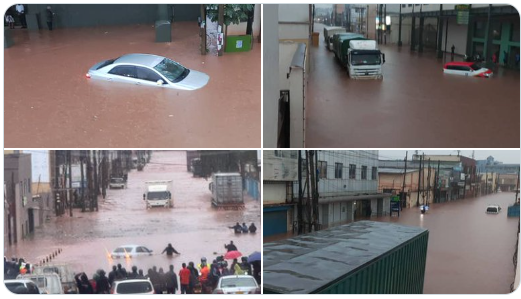
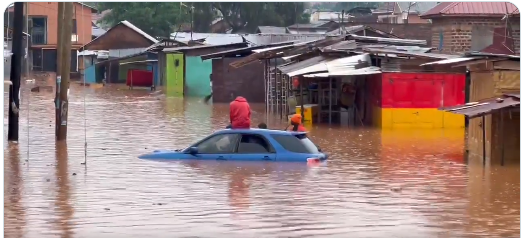
The rain started just before midnight—first as a drizzle, then a downpour, and finally, a relentless storm that pounded Kampala’s streets until dawn. By morning, the familiar roads of Bwaise, Kalerwe, Kyebando, Nakawa, Banda, Namasuba and Katwe had disappeared under murky brown water.
In some areas, cars floated like abandoned toys, shopkeepers waded through waist-deep floods to salvage their goods, and families perched on rooftops, waiting for help.
But amidst the devastation, a different kind of current swept through the city—one of kindness, resilience, and community spirit.
"I thought we would drown," recalls Mariam, a resident of Kawempe whose home was submerged in the floodwaters. "Then my neighbor, whom I barely talk to, came with a makeshift raft and took my children to safety."
Kampala's floods bring hardship, but they also reveal the strength of the human spirit. Amidst the chaos, stories of survival, community support, and unexpected acts of kindness emerge, showcasing the resilience of the city's residents.
A City’s Recurring Struggle
Flooding is not new to Kampala. With poor drainage systems, unregulated construction, and increasingly erratic rainfall due to climate change, heavy downpours often paralyze the city. According to the Uganda National Meteorological Authority, Kampala receives over 1,200 millimeters of rainfall annually, much of it concentrated in short, intense bursts (with two rainy seasons, one from March to May and another from August to December).
"Our drainage infrastructure was built decades ago for a much smaller population. Now, with rapid urbanization and clogged drainage channels, water has nowhere to go," Eng. Charles, an environmental engineer says.
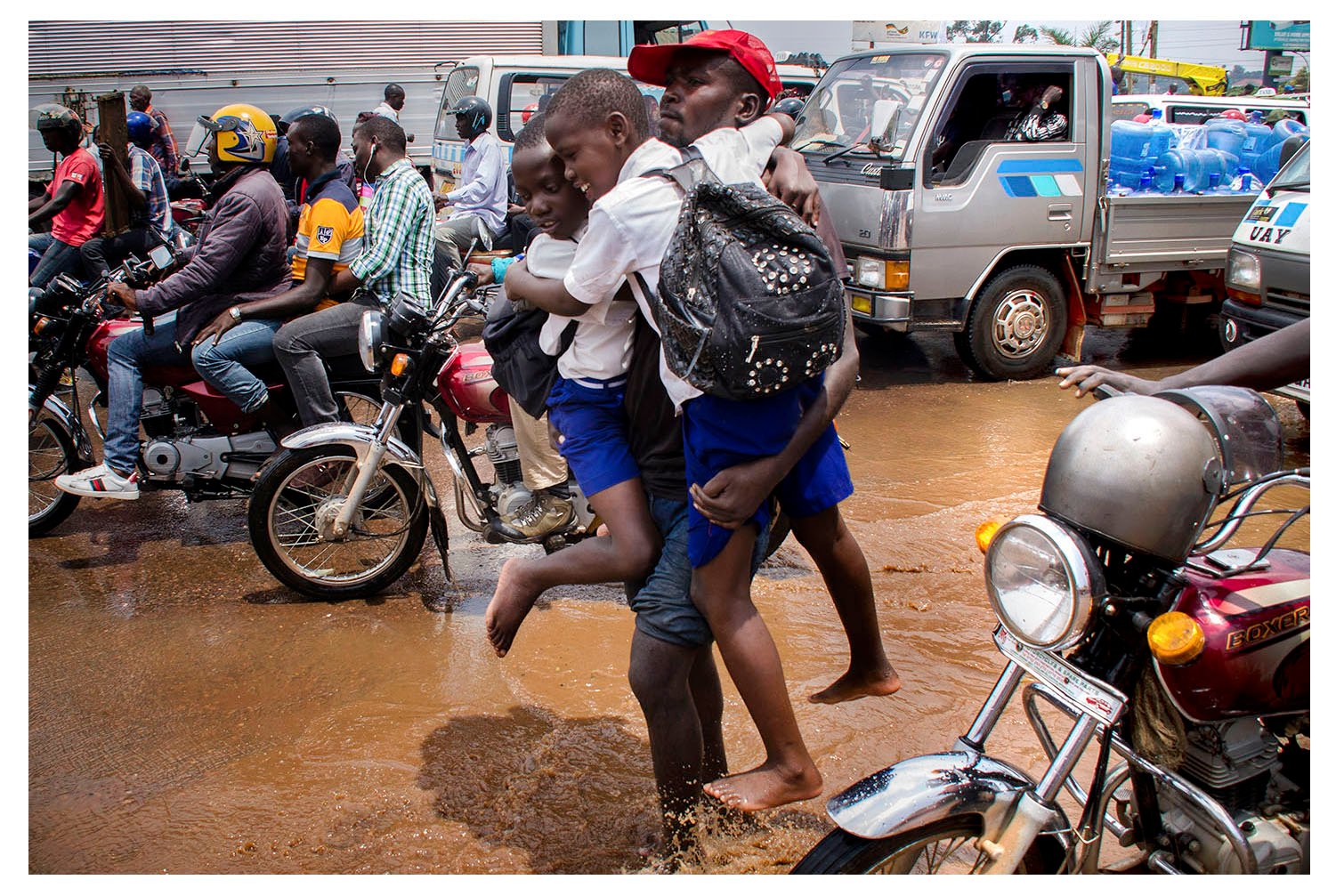
For many low-income communities, the floods are more than just an inconvenience—they are life-threatening. In areas like Bwaise and Kalerwe, where informal settlements sit at the city's lowest points, homes are routinely submerged, businesses lost, and livelihoods destroyed.
Neighbors Rescuing Neighbors
Yet, in the heart of this crisis, remarkable acts of heroism unfold.
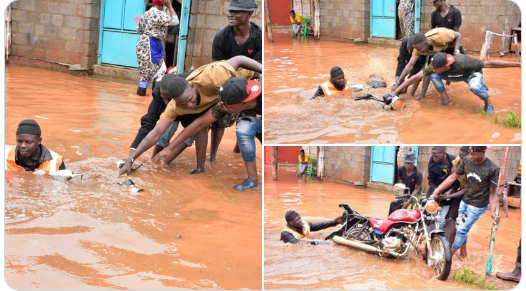
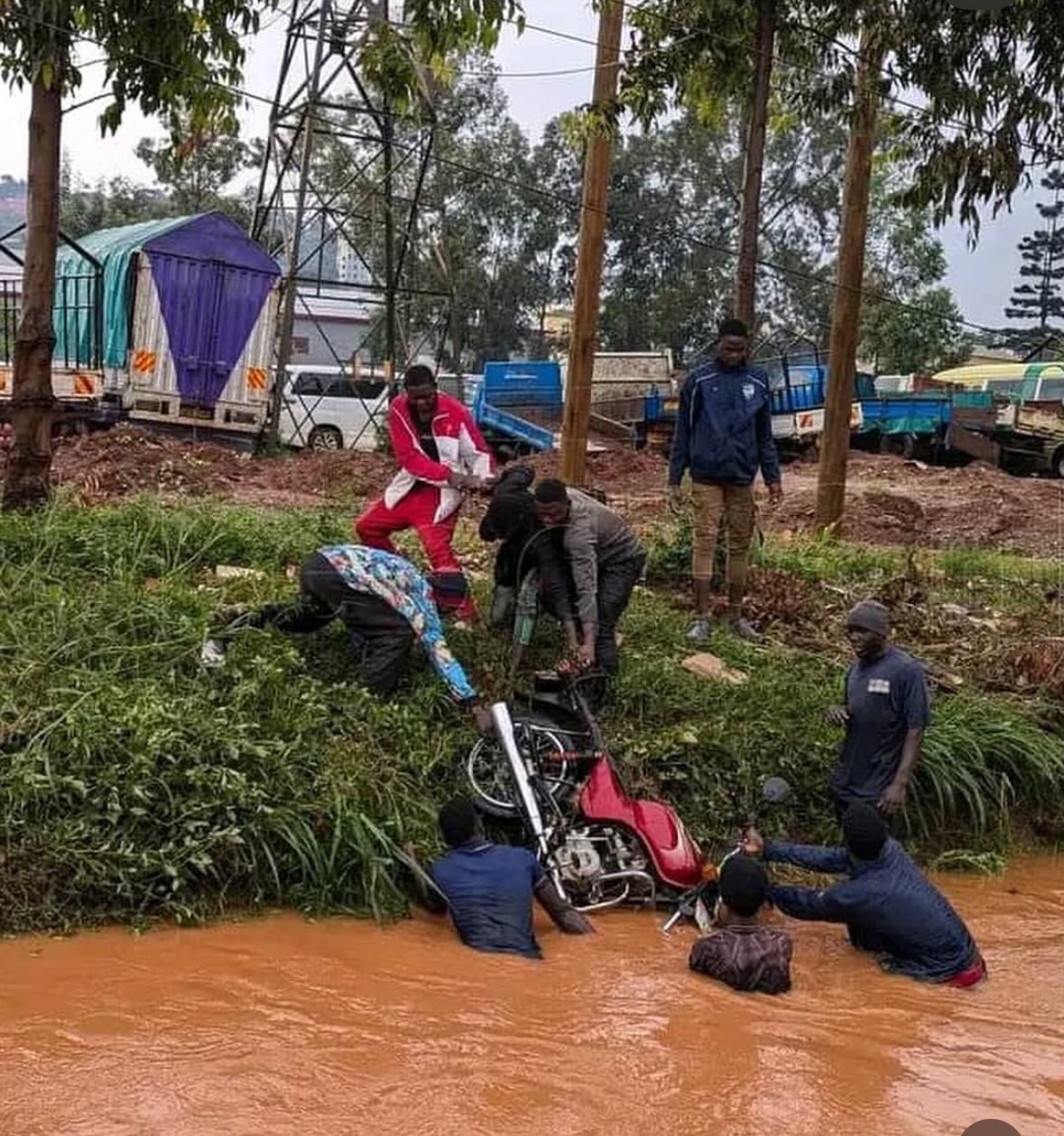
On Nsooba Road, when a boda boda rider found himself stranded in rising water, a group of young men formed a human chain to pull him and his motorcycle to safety.
"We didn’t even know his name. But in such moments, it’s not about who you are—it’s about helping each other survive," one of the rescuers noted.
In Katwe, a local restaurant owner turned his shop into a temporary shelter, offering warm food and a dry place to stay for those who had nowhere else to go. "People have helped me in the past. Now, it’s my turn to help others," he says.
Adaptation in the Face of Disaster
For some residents, survival means innovation.
In some flood-prone areas of Kampala, resourceful residents have started using large plastic containers and wooden planks to make floating platforms—turning them into makeshift boats to transport people and goods.
Meanwhile, local carpenters have begun designing elevated beds and waterproof storage units to help families keep essentials dry when floods hit.
“Floods may come, but we must find ways to keep moving,” says a carpenter in Kalerwe who now specializes in flood-resistant furniture.
A Community Effort
Local organizations and volunteers play a crucial role in relief efforts.
"Whenever there’s a major flood, we mobilize quickly. We distribute food, provide emergency medical aid, and help families relocate," a volunteer with the Uganda Red Cross says.
Community-driven initiatives have also emerged, offering flood awareness training and disaster response strategies to residents.
However, while emergency relief is vital, long-term solutions are urgently needed.
"We can’t keep reacting to floods. We need better drainage systems, strict urban planning, and investment in flood-resistant infrastructure," she says.
The Road Ahead
Experts warn that if action is not taken, the situation will worsen.
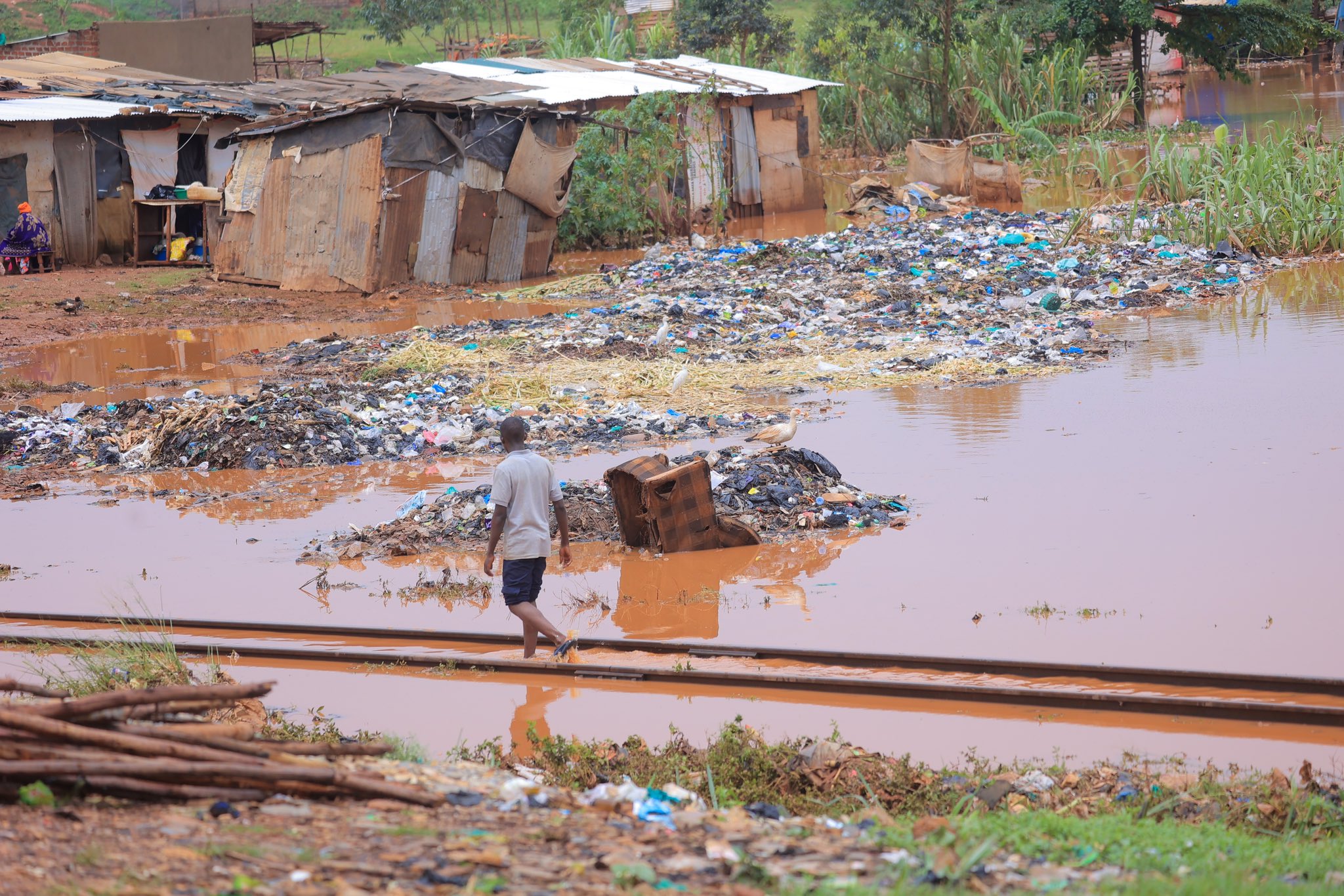
"The climate is changing, and we must adapt. We need sustainable urban planning, green spaces to absorb rainwater, and proper waste management to prevent drainage blockages," Peter Nsimiire, a climate researcher at Makerere University says.
Some solutions are already underway. The Kampala Capital City Authority (KCCA) has launched drainage improvement projects in flood-prone areas, and the government is exploring resettlement programs for the most vulnerable communities.
Allan Ssempebwa, who works with the Ministry of Works and Transport, emphasized the role of human activity in Kampala’s flooding crisis. "The Kampala Flyover drainage structures are performing well, as envisaged!???? Unfortunately, the story is different in some other parts of the city. In most affected areas, drainage channels have been compromised—largely by our own actions. Even if we built drains as big as Namboole Stadium, they’d still fail us if we don’t change our habits, especially the reckless disposal of garbage. It starts with us!!!" he stated in a recent social media post.
But for now, as each rainy season approaches, Kampala’s residents brace themselves once again.
Finding Hope in the Storm
Back in Bwaise, Mariam stands outside her house, which is still damp from the floodwaters. Despite losing most of her belongings, she remains hopeful.
"At first, I felt like giving up. But then I saw how people came together—helping, sharing, lifting each other up. That gave me strength," she says.
For all its challenges, Kampala remains a city of resilience—where even in the darkest storms, the light of human kindness shines through.