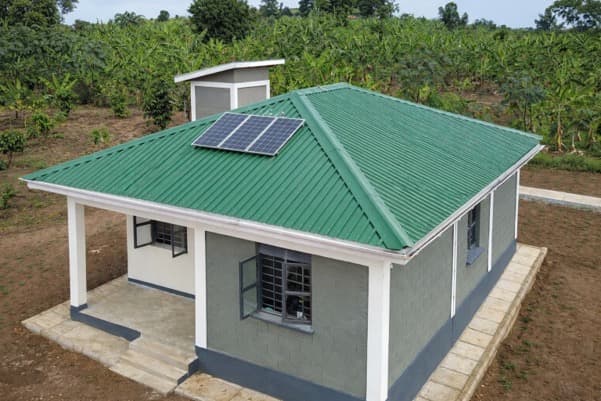
All 177 Ugandan households that chose replacement homes after the East African Crude Oil Pipeline project displaced them have received their houses, according to EACOP.
The company says the homes have solar lighting, rainwater harvesting systems and improved sanitation. Families have also received formal land ownership documents.
The project physically displaced 203 households in Uganda. Of these, 177 chose replacement housing over cash compensation.
EACOP says it consulted affected families about relocation options and house designs before construction began. Ugandan companies built the houses, while local firms supervised construction and checked quality.
The handover marks a key step in the company’s Resettlement Action Plan, which aims to restore or improve the living conditions and livelihoods of people affected by the pipeline.
However, families whose incomes depended on the land they lost also need support to rebuild their livelihoods.
EACOP says its Livelihood Restoration Programme offers assistance based on each household’s circumstances and eligibility. This includes agricultural advice, crop and livestock support, vocational training and help to develop businesses.
The programme also provides transitional assistance as eligible families adjust to relocation.
“Restoring a family’s home is about more than bricks and mortar; it is about restoring dignity, safety, and a sense of permanent belonging within the community,” EACOP’s Social Performance Desk said.
Along the pipeline route, the company says it has worked with district authorities and communities to improve health facilities. The interventions cover maternity and child-health services, consultation rooms, water access and other infrastructure.
Solar-powered boreholes also supply water to community facilities, including health centres.
EACOP says affected residents can raise concerns, seek information and submit complaints through its community engagement channels as resettlement continues.