
Commercial banks and financial institutions across Uganda will be required to integrate the National Security Information System (NSIS) into their core transaction infrastructure to tighten electronic identity verification and safeguard customer data.
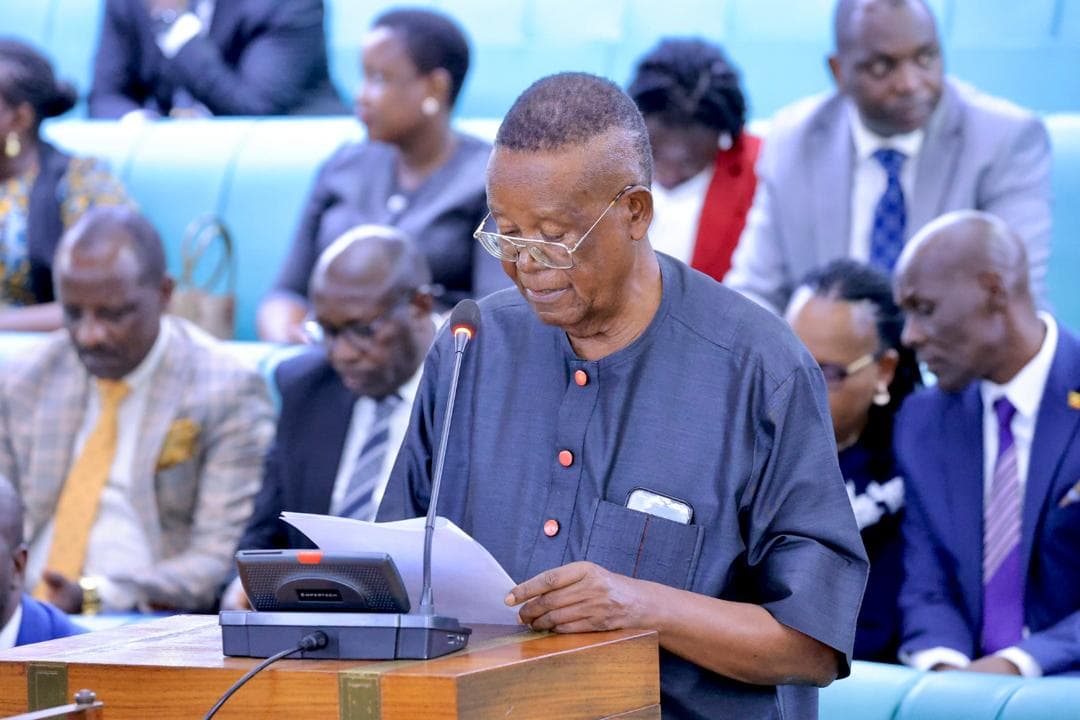
Briefing Parliament during a plenary sitting on Wednesday, November 18, 2026, the Minister of Internal Affairs, Hon. Ephraim Kamuntu, explained that the upgraded framework rolled out by the National Identification and Registration Authority (NIRA) requires financial institutions to retrieve customer particulars directly from the central NIRA database whenever a National Identification Number (NIN) is presented.
“The new system was intended to improve security, privacy and data protection rights of personal data for any individual with a NIN. This was a significant departure from verification that depended only on information presented on reading the ID document,” Minister Kamuntu stated.
The ministerial statement followed concerns raised by Jinja South Division East MP Hon. Paul Mwiru (NUP), who argued that banks should continue relying on existing customer records captured from older national identity cards. Mwiru contended that the new verification protocol has inconvenienced clients, created bureaucratic bottlenecks, and imposed extra costs on citizens struggling to obtain confirmation letters from NIRA offices.
In response, Minister Kamuntu acknowledged that transitioning to the upgraded verification standard requires significant technological overhauls by banks and telecommunications operators, a rollout that has moved slower than anticipated. He revealed that while NIRA shared technical integration guidelines with 107 partner institutions, only 10 partners were actively transacting on the new platform as of October 28, 2026. According to the Uganda Bankers’ Association, most member banks are still installing compatible biometric readers.
In the interim, Kamuntu advised that customers whose cards cannot be verified at bank counters may have their identities authenticated through NIRA’s secure verification channel or by presenting an official Confirmation of Information Letter for the specific transaction.
However, Katikamu County North MP Hon. Denes Sekabira (NUP) questioned who should absorb the cost of acquiring confirmation letters for routine transactions, warning that financial institutions still upgrading their systems risk passing administrative and transmission fees onto ordinary clients.
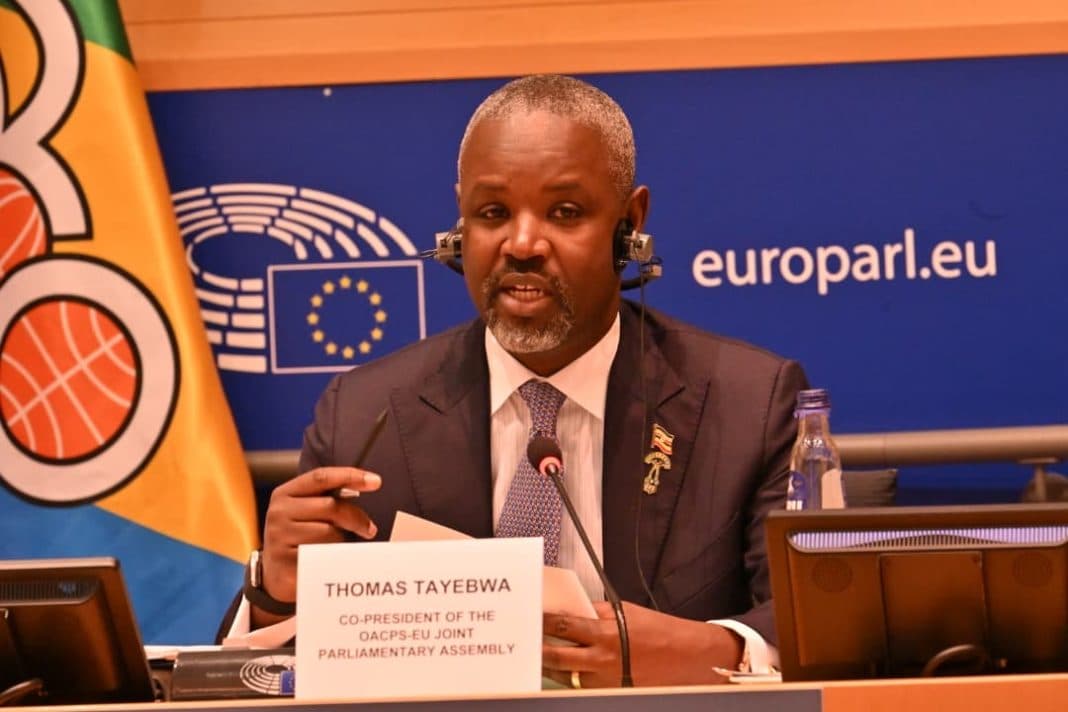
Meanwhile, Deputy Speaker Rt. Hon. Thomas Tayebwa commended the stricter verification regime, noting that it reinforces Uganda’s international financial compliance standing.
“We passed laws to remove Uganda from the grey list of the Financial Action Task Force regarding money laundering. Uganda was about to be blacklisted because people used forged national IDs to launder money and finance terrorism. The new move will support the country’s efforts in ensuring that we do not take a step back,” Tayebwa said.