

The National Animal Genetic Resources Center and Databank (NAGRC&DB) is set to introduce a breed of dairy goats whose milk contains nutrients that can help boost the immunities of people living with HIV/AIDS.
“Goat milk contains calcium, potassium, highly-soluble less-allergenic proteins, digestible fats and energy-producing riboflavin, all of which are essential in boosting the immunity of the people living with HIV/AIDS,” the agriculture ministry said, citing Dr Peter Beine, the acting executive director of NAGRC&DB.
NAGRC&DB will also start making special HIV treatment tablets from the goat milk, the ministry said, without revealing the timeline of the project roll-out.
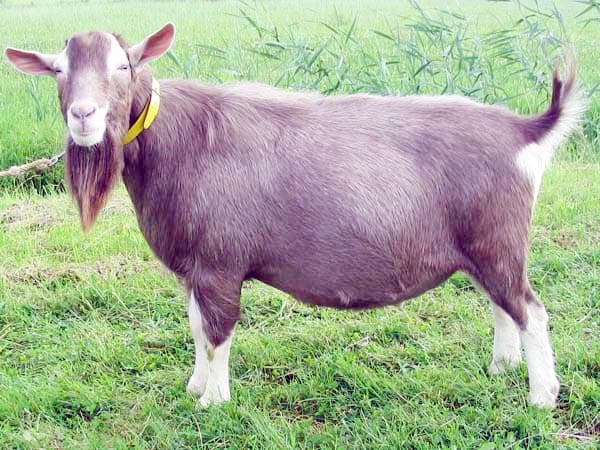
“On the recommendation of our scientists and researchers, we are bringing the Toggenburg breed, a dairy goat that has been found to withstand conditions here,” said. Dr. Beine.
In Uganda, dairy goat farming was first promoted in eastern Uganda by FARM Africa, an international NGO dedicated to serve the poorest of the poor.
They introduced the Toggenburg which traces its origin in Switzerland.
In some countries, goat milk is directly crystallized into tablets which are given to HIV/Aids patients as immunity boosters and body rejuvenation.
However, it must be realized that dairy goats require careful attention as dairy cows, and temperate breeds need shade during hot weather.