

The East African Community (EAC) Secretariat has called for an urgent, coordinated regional response to contain the Marburg Virus Disease (MVD) outbreak declared in Rwanda. With 29 confirmed cases and 10 deaths reported as of 30th September 2024, the outbreak poses a serious threat to health security across the region, particularly due to its proximity to the borders of Uganda, Tanzania, and the Democratic Republic of Congo (DRC).
Rwanda’s Ministry of Health declared the outbreak on 27th September 2024, and over 297 contacts are currently under close monitoring, with healthcare workers being disproportionately affected. The World Health Organization (WHO) has raised concerns about the potential spread of the virus to neighbouring countries.
Andrea Aguer Ariik Malueth, EAC Deputy Secretary General in charge of Infrastructure, Productive, Social, and Political sectors, emphasized the importance of swift action, including identification, isolation, and treatment of cases, alongside enhanced screening at borders and health facilities. He urged Partner States to reinforce public awareness, infection control measures, and border surveillance.
Marburg virus, a zoonotic disease similar to Ebola, has a fatality rate of 24% to 88%, depending on the virus strain and case management. Transmission occurs through direct contact with infected bodily fluids or contaminated surfaces. As there is no specific vaccine or treatment, early supportive care is crucial for survival.
The EAC Secretariat is also urging Partner States to share expertise from past outbreaks, such as Tanzania’s 2023 Marburg response, which highlighted the importance of rapid contact tracing and community engagement. Rwanda is currently managing the outbreak with international support, but the need for regional collaboration remains critical.
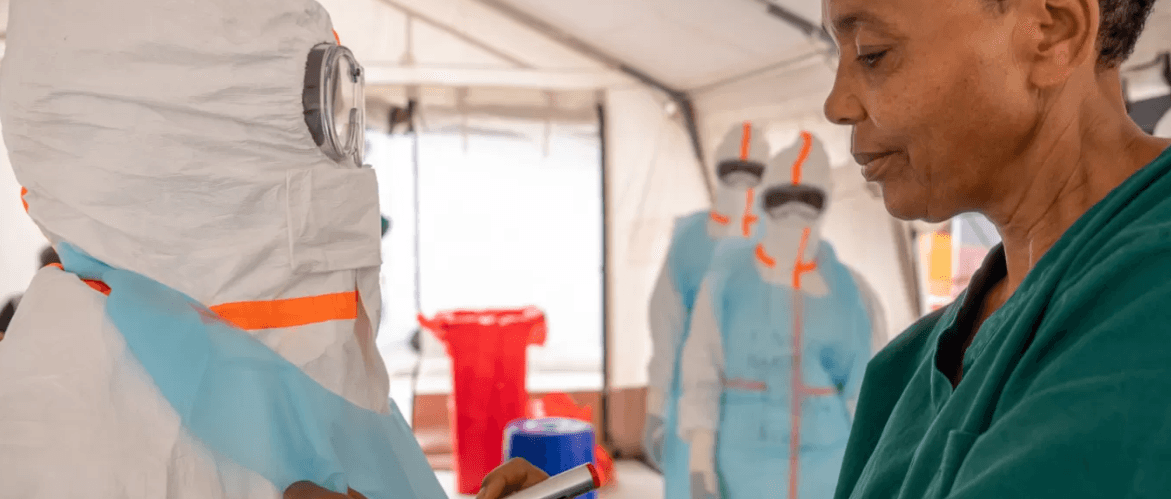
To reduce the risk of contracting Marburg, the public is advised to practice proper hand hygiene, avoid contact with fruit bats (the virus's natural hosts), and adhere to safe burial practices. Personal protective equipment (PPE) is essential when caring for infected individuals, and those suspecting infection should seek immediate medical attention and isolate themselves.
The EAC, in collaboration with partners like GIZ and KfW, is supporting outbreak response efforts through initiatives like deploying Rapidly Deployable Experts, strengthening risk communication, establishing WASH facilities at borders, and supplying diagnostic kits and mobile labs.
These efforts showcase the region's proactive stance in addressing current and future health threats, with the EAC Secretariat playing a key role in safeguarding public health