

The Uganda AIDS Commission (UAC) has called for an urgent allocation of Shs300 billion to sustain HIV/AIDS treatment and prevention services following a funding freeze by the United States Agency for International Development (USAID).
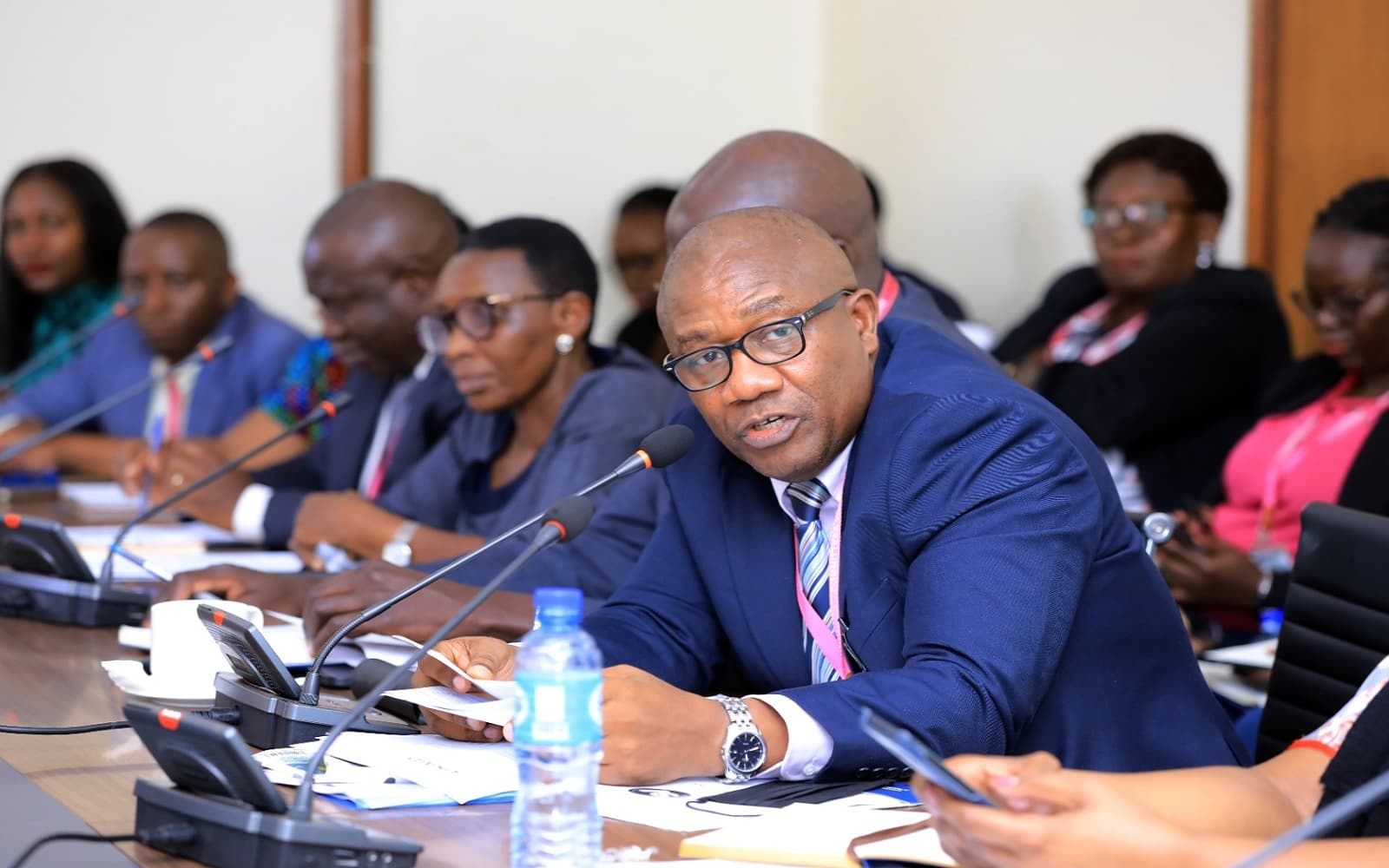
Officials from the UAC and AHF Uganda Cares made the appeal on Tuesday, February 11, 2025, while appearing before the Parliamentary Committee on Health, chaired by Joseph Ruyonga. The funding gap emerged after recent executive orders from the U.S. President halted financial support to Uganda’s HIV/AIDS programs.
Vincent Bagambe, the UAC Director of Planning and Strategic Information, warned that the funding cut could reverse Uganda’s progress in fighting HIV/AIDS.
“We are at a critical juncture. Uganda has made significant strides in reducing new infections and AIDS-related deaths, but the sudden cut in funding puts these gains at risk. We need an additional Shs300 billion to ensure uninterrupted access to treatment, laboratory monitoring, and other essential services,” he said.
Uganda spends approximately Shs1.9 trillion annually on HIV services, with 60% of the funding coming from donors, mainly through the President’s Emergency Plan for AIDS Relief (PEPFAR). With USAID’s withdrawal, some implementing partners have already begun closing clinics and laying off staff.
“If we do not act swiftly, we risk a crisis where thousands of people living with HIV may not receive their medication, increasing the chances of drug resistance and new infections,” Bagambe added.
To ensure sustainability, UAC proposed increasing the HIV Mainstreaming allocation from 0.1% to 0.5% of the national budget, which would generate an additional Shs200 billion for prevention and treatment services.
“The current allocation is inadequate. Increasing it to 0.5% will ensure that critical interventions such as viral load monitoring, counselling services, and logistics for antiretroviral distribution continue without disruption,” Bagambe said.
Uganda currently has 1.49 million people living with HIV, with a prevalence rate of 5.1%. In 2023 alone, the country recorded 38,000 new infections and 20,000 AIDS-related deaths, with adolescent girls and young women being the most affected.
Flavia Kyomukama from the National Forum of People Living with HIV expressed concern over the closure of ART clinics, youth centres, and safe spaces due to the funding freeze.
“This is not just a funding freeze; it is a freeze on our lives, a freeze on our bloodline. We are slowly dying, and we are asking our Parliament to represent us,” she said.
Trevor Emojel, a Youth Officer at Uganda Cares, urged Parliament to support local manufacturing of antiretroviral drugs through tax breaks, low-interest financing, and incentives for pharmaceutical companies like Quality Chemicals. He also called for the fast-tracking and full financing of Uganda’s HIV sustainability strategy.
UNAIDS Country Director Jacqueline Makokha stressed the need for Uganda to develop its own funding mechanisms.
“We need to come up with our own homegrown solutions. Solutions will not come from outside. It has to come from us internally who are facing this situation,” she said.
Lulume Bayigga (Buikwe County South MP) echoed the call for local investment in pharmaceutical production.
“With the medicines, if at all we cut down on our expenditure and provide a basket fund, we can purchase the medicines,” he said.
The funding shortfall has raised alarm among health experts and civil society, with many urging the government to take immediate action to prevent a potential HIV/AIDS crisis in Uganda.