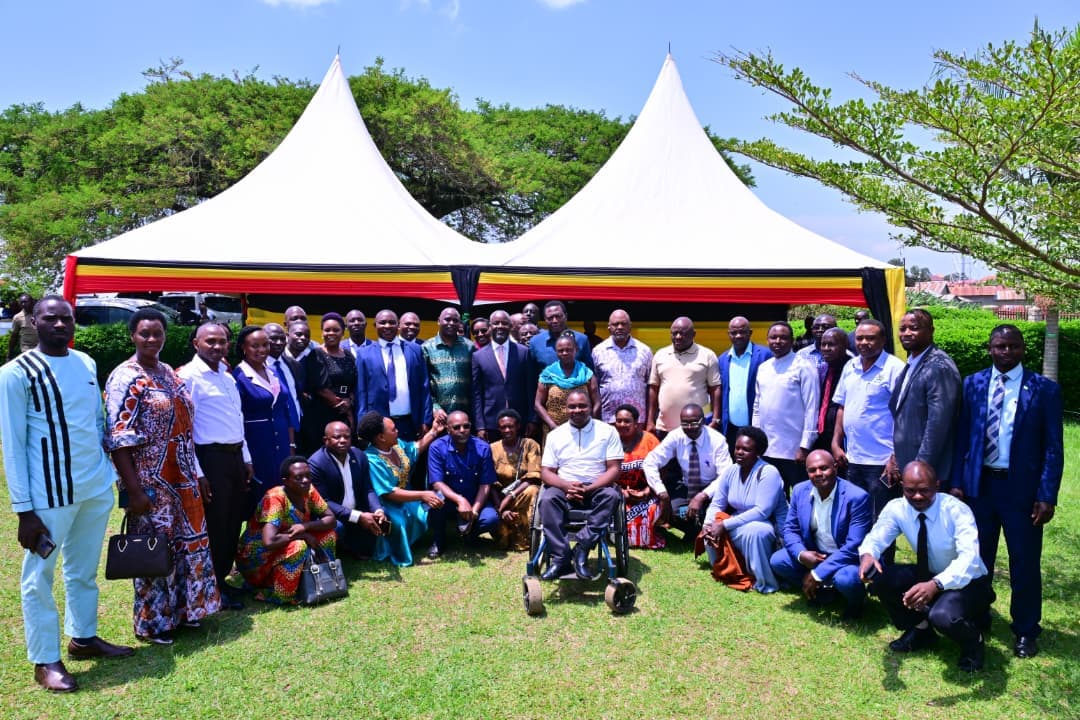
The Deputy Speaker of Parliament, Thomas Tayebwa, has cautioned newly deployed Community Health Workers (CHWs) in Mitooma District against overstepping their mandate by masquerading as medical doctors or opening private clinics.
Officiating at the passing-out ceremony of 155 Community Health Workers at the Mitooma District headquarters on Monday, Tayebwa reminded the recruits that their statutory role is strictly confined to grassroots disease prevention, public health sensitization, and patient referral.
“You’re not a doctor; don’t start acting like doctors, don’t set up clinics. That is not your job,” Tayebwa told the cadre.
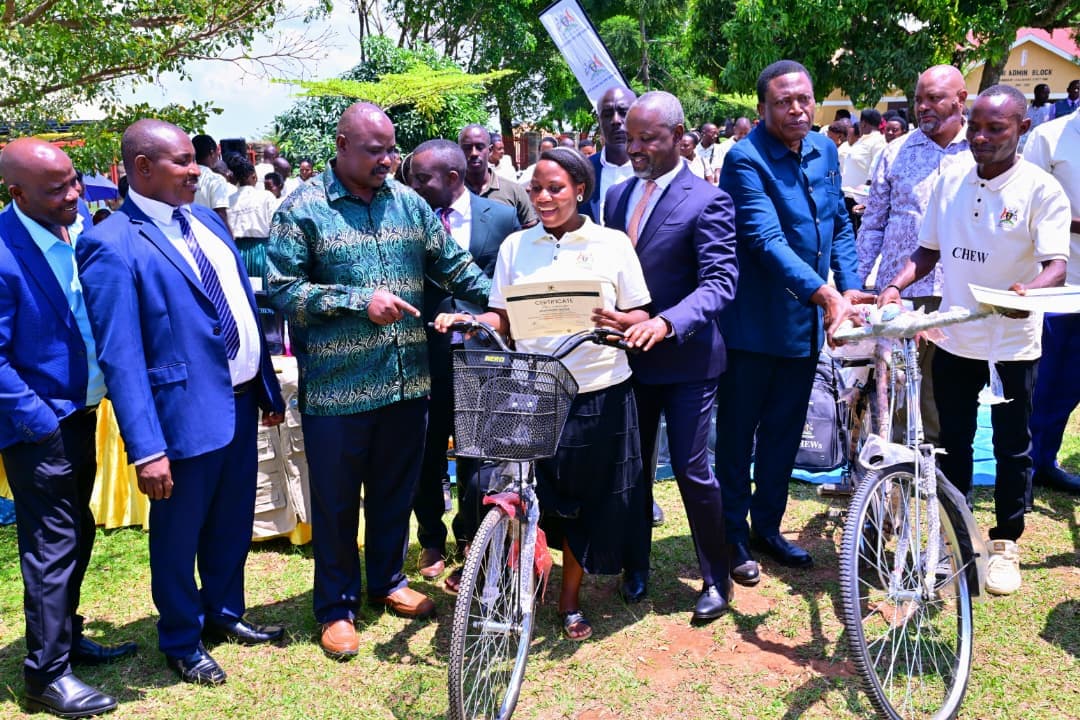
The Deputy Speaker emphasized that community health workers serve as the eyes and ears of the Government within villages, tasked with identifying emergent health risks, providing accurate medical information, and linking patients to formal public health centers for professional diagnosis and care.
Tayebwa encouraged the cadre to utilize public gatherings, including community meetings and burials, to educate families on the importance of routine childhood immunisation, timely antenatal attendance, the dangers of alcohol abuse, and the management of non-communicable lifestyle conditions.
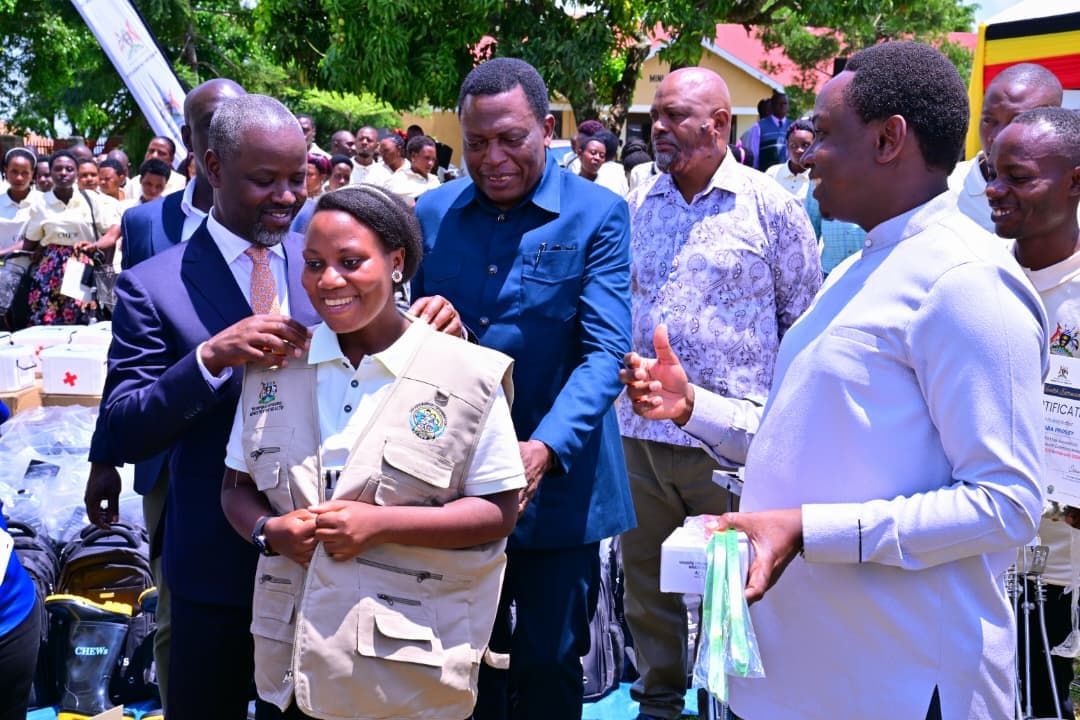
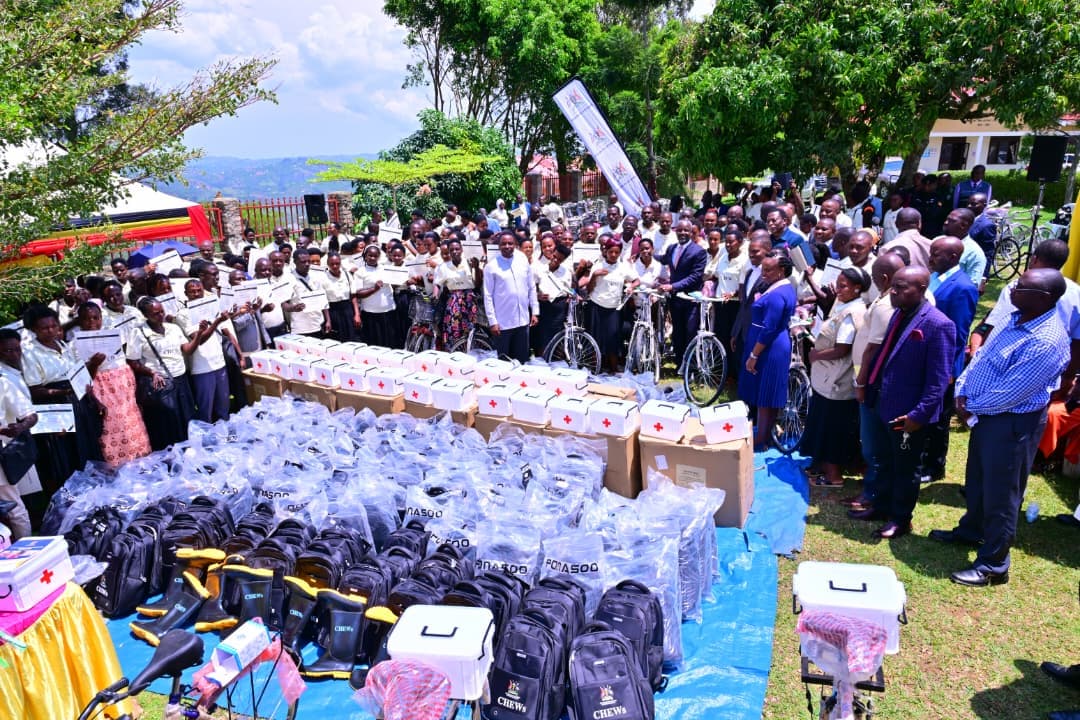
He also warned the workers against extortion and the misuse of state-issued facilitation gear, including bicycles, backpacks, and diagnostic kits.
“Guard the properties that you have been given; they are not gifts. They are work equipment,” Tayebwa said, warning that any community health worker found soliciting money or transport fares from patients would face administrative reprimand and prosecution.
Addressing the gathering, the Director General of Health Services at the Ministry of Health, Dr. Charles Olaro, outlined the government's strategic drive to shift national investments from curative to preventive healthcare.
“Seventy-five percent of the disease burden is preventable. And that’s why we want, as a Ministry, to shift our investment from curative to preventive through you community health workers,” Dr. Olaro said.
Dr. Olaro instructed the cadre to benchmark their performance against the volume of preventable diseases halted at the household level rather than the number of hospital referrals initiated. He urged them to lead by example by practicing healthy lifestyles, family planning, and domestic sanitation within their own homes.
Mitooma District Acting District Health Officer, Julius Taremwa, noted that the deployment of the 155 workers will help plug critical staffing deficits across hard-to-reach sub-counties.
Taremwa revealed that despite the recent recruitment of 101 medical personnel this year, Mitooma District’s health worker staffing capacity remains at 22 percent, the lowest across the Ankole sub-region, making grassroots community surveillance indispensable to primary healthcare delivery.