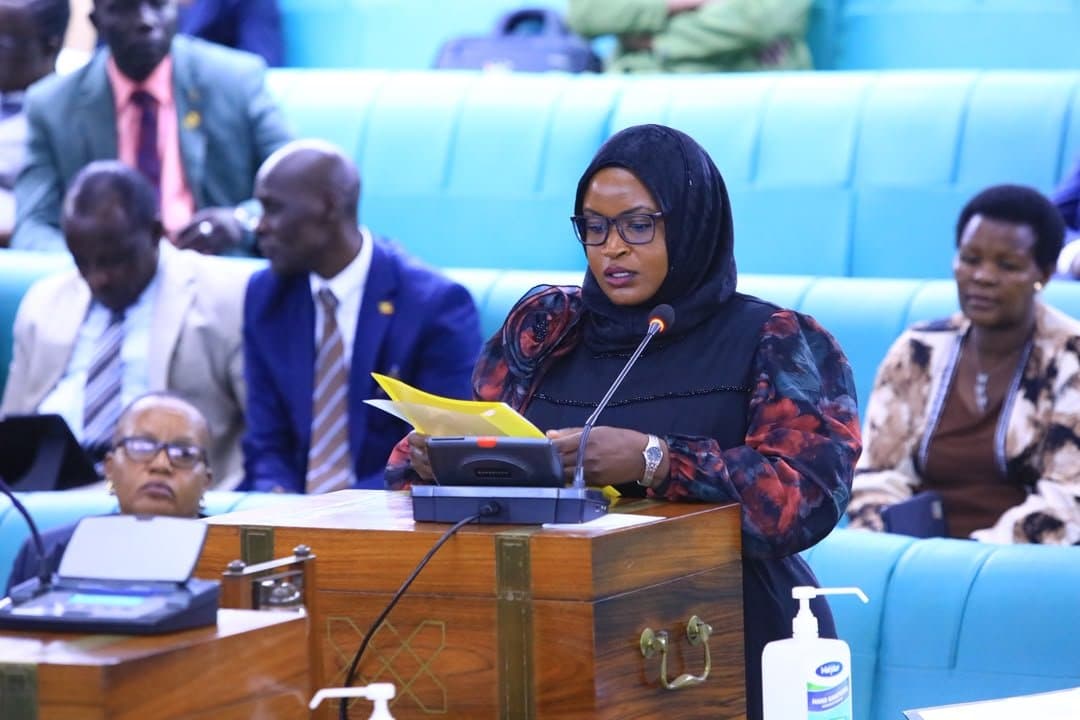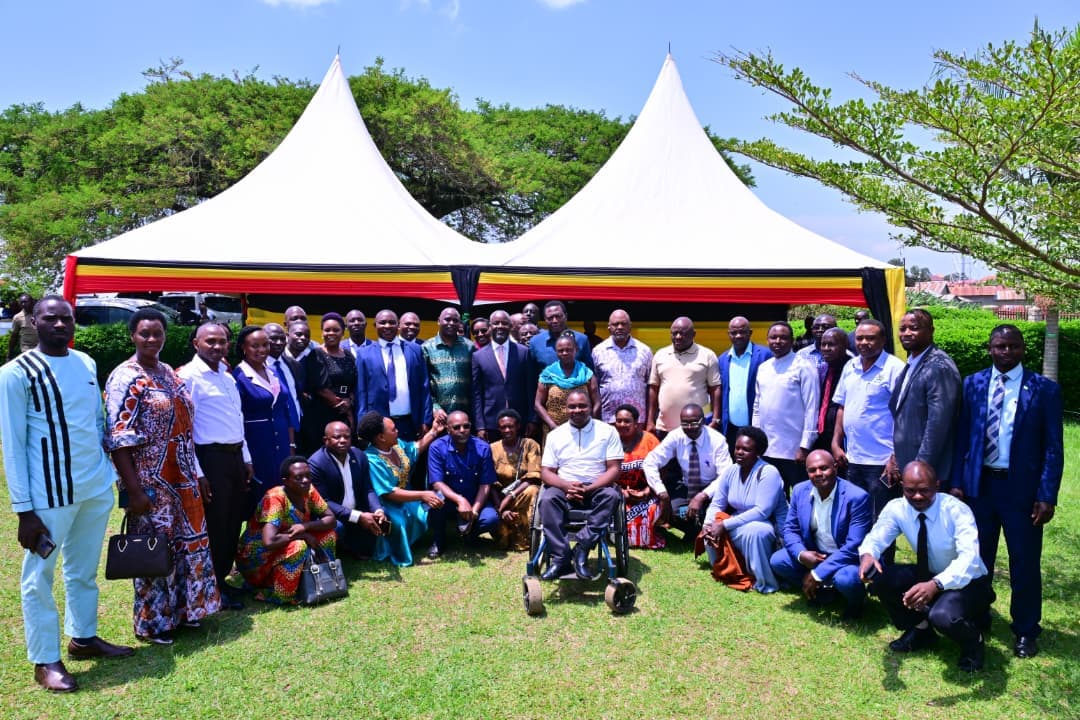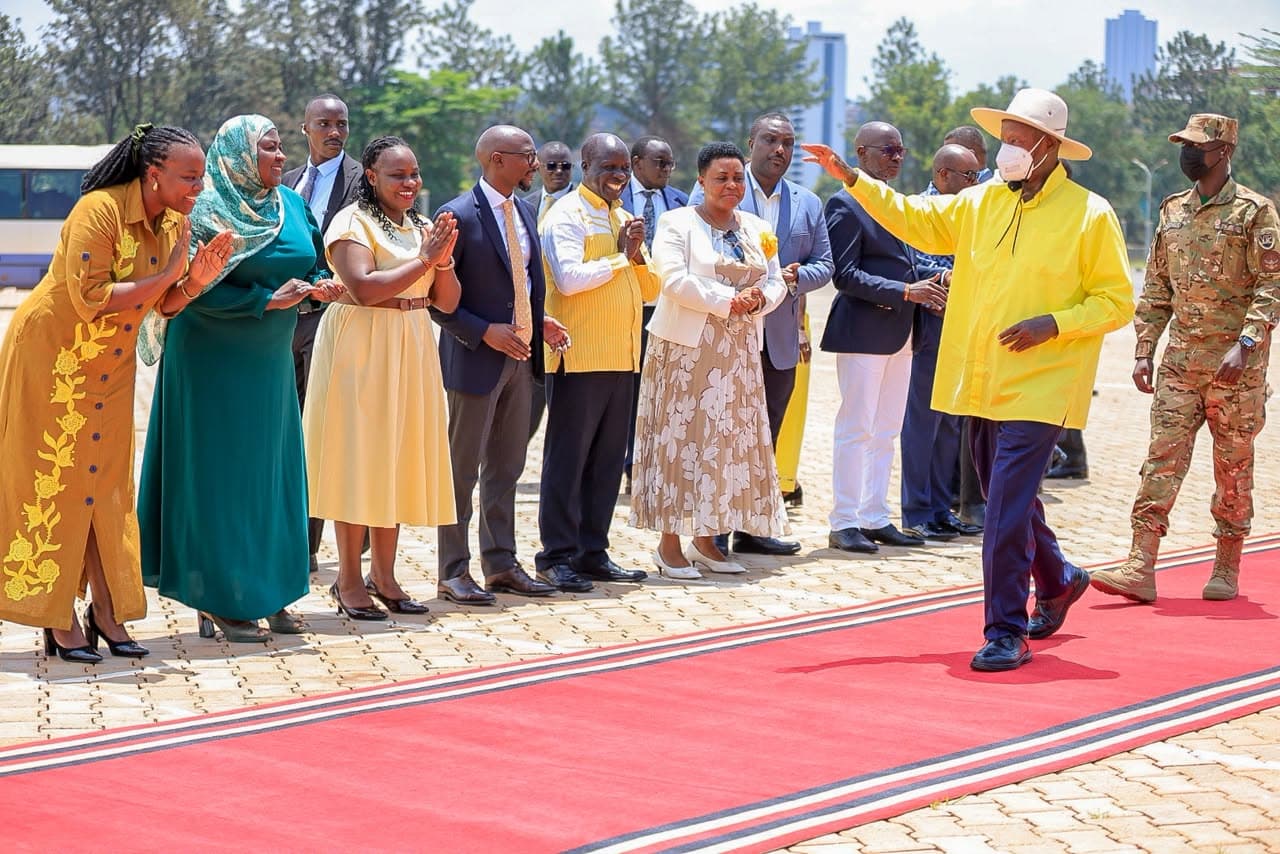

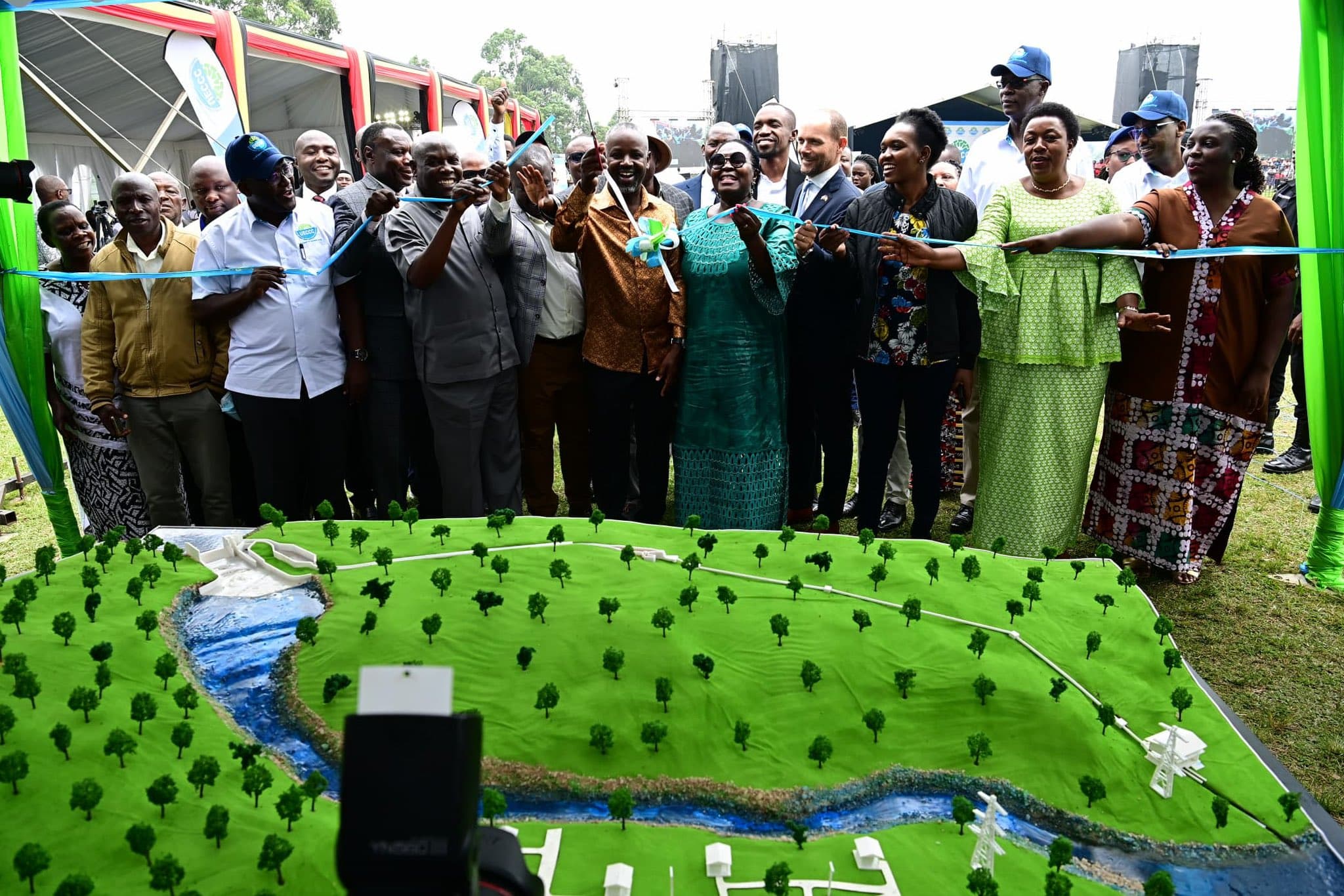
Deputy Speaker Thomas Tayebwa has highlighted the impact of unreliable and costly electricity on businesses, schools, and households, as Uganda breaks ground on the Ncwera Mini Hydro-Power Project in Mitooma District to address energy challenges.
Deputy Speaker of Parliament, Thomas Tayebwa, has emphasized that unreliable and expensive electricity continues to limit economic opportunities for businesses, schools, health facilities, and households across Uganda.
Tayebwa made the remarks while officiating at the groundbreaking ceremony for the Ncwera Mini Hydro-Power Project in Ruhinda North County, Mitooma District. The project falls under the Electricity Access Scale-Up Project, implemented by the Uganda Energy Credit Capitalisation Company (UECCC) and funded through the ORIO Infrastructure Fund of the Netherlands.
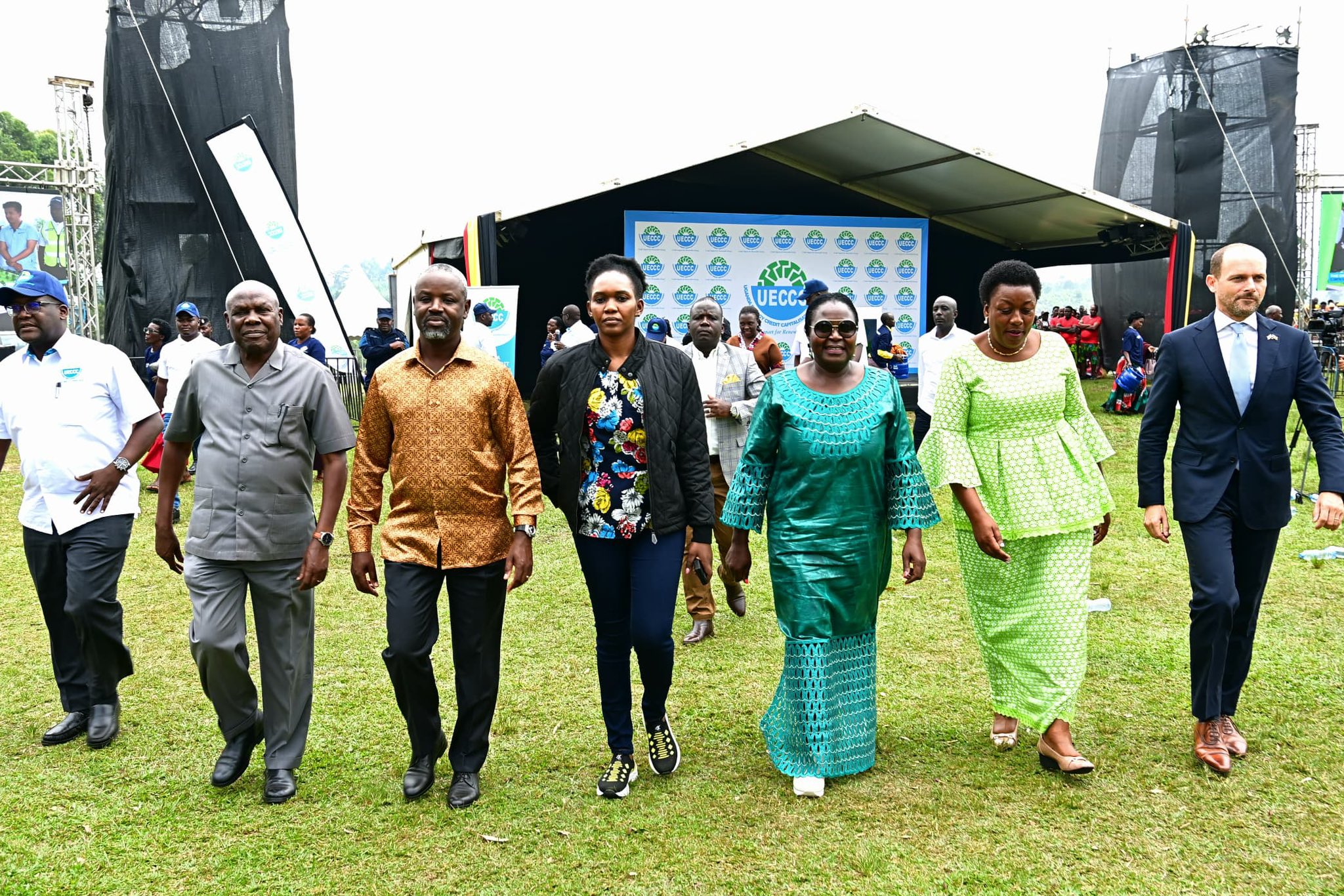
Tayebwa, who also represents the area in Parliament, said the project will transform livelihoods. “Farmers will be able to process their produce efficiently, small businesses will thrive, and our children will have better opportunities to study,” he said.
Minister for Energy and Mineral Development, Ruth Nankabirwa, said the initiative aligns with the presidential directive to provide affordable energy to support industrialization. “I am pleased to note that in the agreement signed, the tariff is 5.3 US cents per unit, which is good. We have been trying to reduce the cost of electricity, and since hydropower is the cleanest source of energy, it is also the cheapest,” she said.
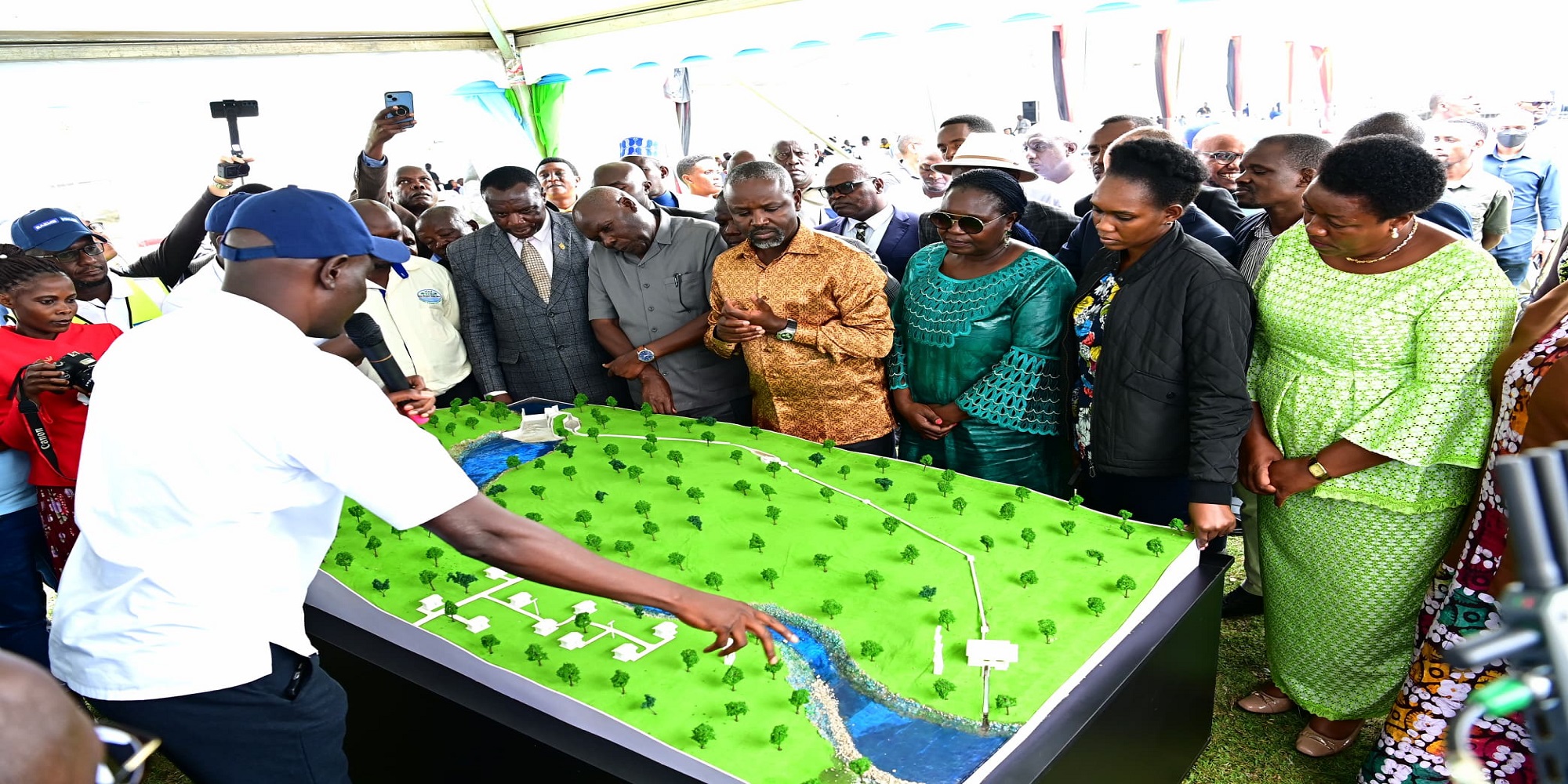
Mitooma District Woman Representative, Juliet Agasha, urged the ministry to address gaps in the district’s electricity infrastructure. “We have two sub-counties with electricity poles but no wires, meaning people there do not have access to electricity. There has also been a lot of load shedding, which has affected businesses,” she said.
Deputy Ambassador of the Netherlands to Uganda, Joost Van Ettro, praised Uganda for fostering partnerships with private investors to support socio-economic and industrial development. “With a growing need for energy in rural areas that have limited access to the grid network, we believe that these mini-hydro power plants will service communities and spur economic growth,” he said.
UECCC Managing Director, Roy Nyamutale Baguma, revealed that besides Mitooma, the ORIO Mini Hydropower Project will implement eight other projects in Bushenyi, Kasese, Bundibugyo, Kabarole, Bunyangabo, and Hoima districts.
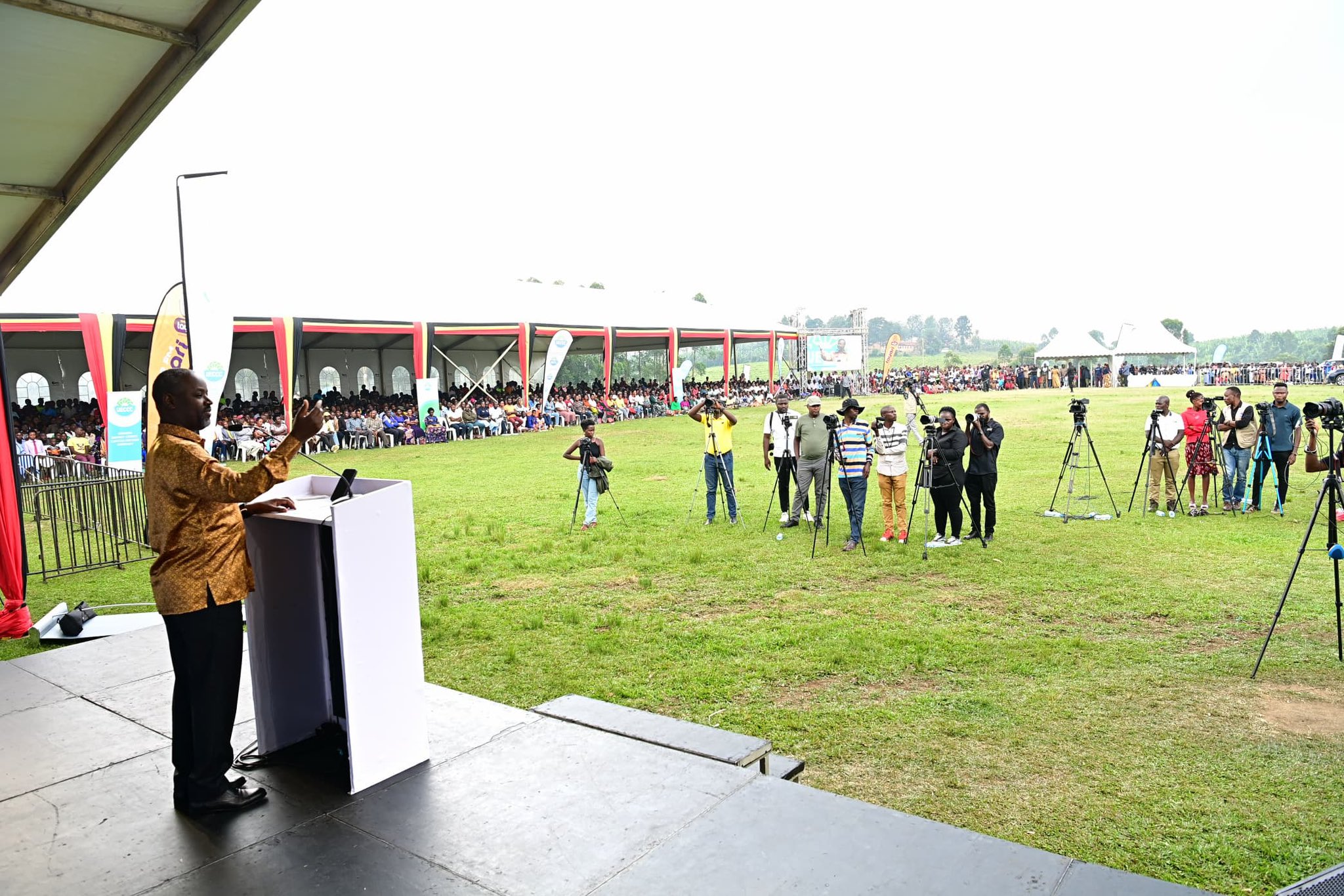
Once completed, the nine mini-hydropower sites will generate a combined 6.7 megawatts and cover a distribution network of 288 kilometers, improving access to electricity in hard-to-reach areas. “The project sites are in areas with challenging topography and geophysical conditions, making it inefficient to wheel power over long distances,” Baguma said.
He added that the Ncwera project is expected to be completed within a year and aligns with key government policies such as the National Development Plan IV, Vision 2040, and Sustainable Development Plan 7.