The National Enterprise Corporation (NEC), the commercial and industrial arm of the Ministry of Defence and the Uganda Peoples’ Defence Forces (UPDF), has defended its network of joint ventures before Parliament, highlighting their role in driving technological advancement, import substitution, and economic self-sufficiency.
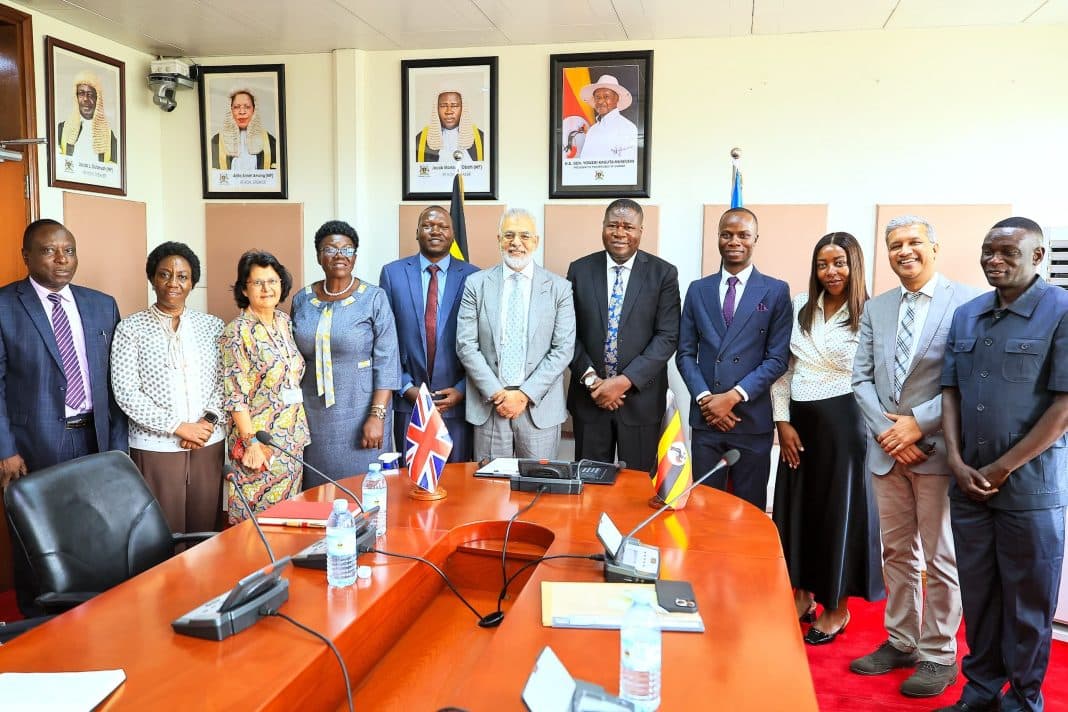
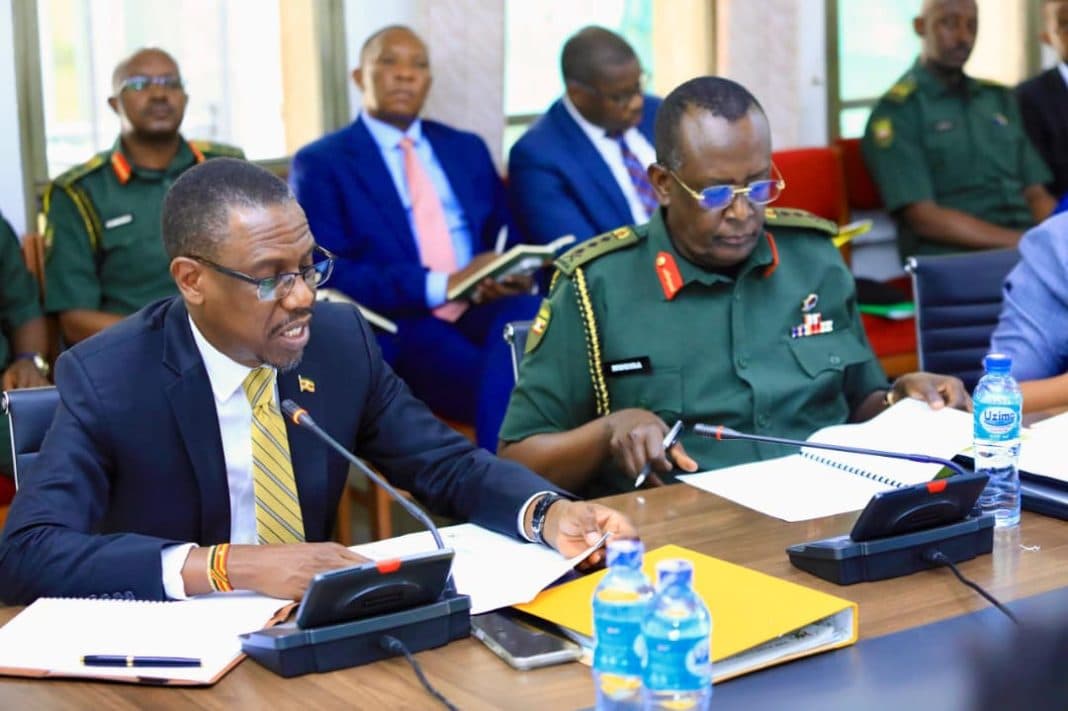
During a historic parliamentary engagement, Defence Minister Kiryowa Kiwanuka, accompanied by the NEC Board of Directors and senior ministry officials, briefed the Parliamentary Committee on Defence and Internal Affairs. This marked the first time the state corporation has formally appeared before the oversight committee since its statutory establishment 37 years ago.
Minister Kiryowa explained that given modest direct fiscal allocations from the Government, averaging about Shs2 billion annually over the past 15 years, largely restricted to administrative overheads and salaries, NEC has relied on structured joint ventures to mobilize heavy capital, acquire advanced technology, and access specialized expertise. Under these frameworks, NEC typically contributes land and established infrastructure, while strategic private partners provide financing, modern machinery, technical training, and operational support.
Detailing the corporation's portfolio, the minister revealed that NEC currently oversees nine joint ventures and one cooperation partnership spanning both classified and non-classified sectors. The classified ventures encompass strategic national security undertakings, including the maintenance, repair, and overhaul of military helicopters, development of advanced defence technologies, armoured vehicle assembly, and explosives manufacturing. Meanwhile, the non-classifed commercial ventures cover civilian and industrial production lines, including automotive assembly, textile and garment manufacture, pharmaceutical production, large-scale agriculture, and specialized oil-waste management.
Minister Kiwanuka reported that these commercial partnerships have successfully yielded over Shs27.6 billion in cumulative dividends. Rather than being absorbed by recurrent expenditures, these proceeds have been systematically reinvested into critical national infrastructure projects.
These reinvested funds have financed several high-impact national developments, including an oil-waste management plant in Kyangwali, expansion production lines for the NEC Uzima bottled water facility, capitalization of NEC Security services, high-precision engineering workshops, state-of-the-art medical incinerators, dedicated Research and Development infrastructure, a 500 KW solar power plant featuring a 1.2 MW storage capacity, and strategic medical manufacturing lines such as surgical mask production facilities.
Minister Kiryowa assured lawmakers that the Ministry of Defence maintains rigorous oversight over all NEC operations to guarantee that commercial activities remain strictly aligned with national security objectives, foster domestic skills transfer, generate local employment, and bolster import substitution.