

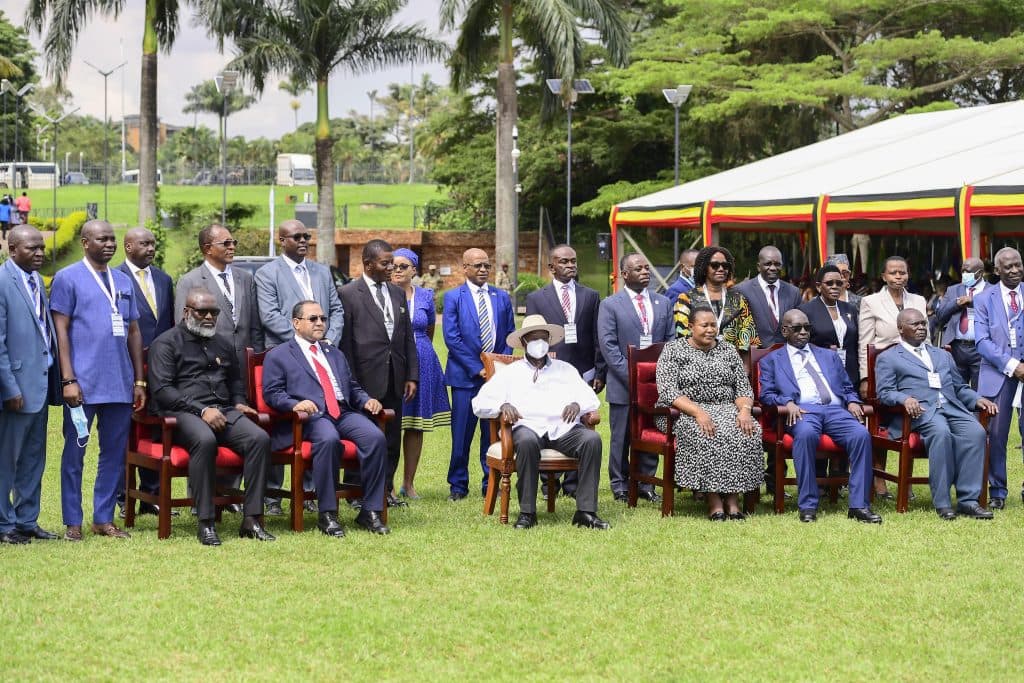
President Yoweri Kaguta Museveni has urged public administrators to align with political leaders and reformers to ensure effective governance and socio-economic transformation.
Speaking at the opening of the 43rd African Association for Public Administration and Management (AAPAM) Round Table Conference at Speke Resort Munyonyo, Museveni emphasized the importance of diagnosing societal challenges before implementing administrative solutions.
“As you discuss techniques for administration, ask yourselves: What are you administering—neo-colonialism or socio-economic transformation?” the President said. “The context in which you administer must align with the goals of transformation.”
The four-day conference, themed "Agile and Resilient Public Administration Framework for Sustainable Development in Africa," has drawn over 1,000 delegates from across the continent. Participants aim to develop strategies to address Africa’s governance, economic, and environmental challenges.
Uganda’s Journey to Transformation
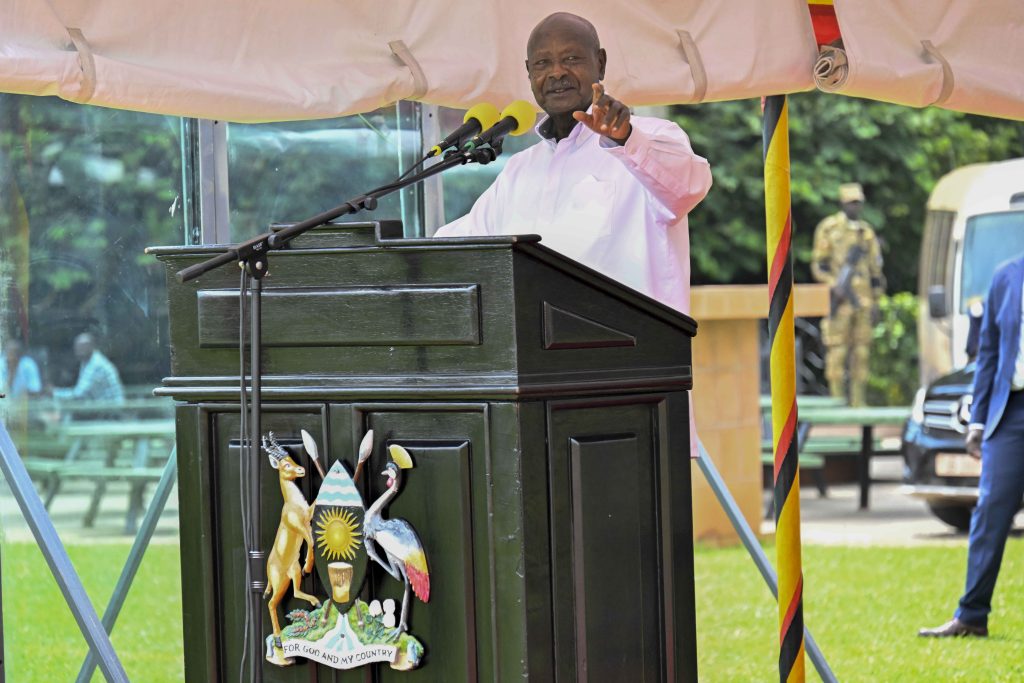
Museveni reflected on Uganda’s socio-economic history, noting that in 1962, only 9% of households were engaged in the money economy, while 91% lived outside it. He credited the National Resistance Movement (NRM) government’s clear diagnosis of the country’s challenges for its progress.
“Our diagnosis was that Africa must move from colonial and neo-colonial models to socio-economic transformation,” Museveni explained. He pointed to the NRM’s 10-point program, specifically its focus on building an independent, self-sustaining economy through sectors such as commercial agriculture, manufacturing, services, and ICT.
Museveni also warned against politics rooted in identity, such as tribalism and religious chauvinism, which he said have led to conflicts in Africa. “Ideological bankruptcy causes wars. Leaders who misdiagnose societal issues push politics of identity, which is akin to committing suicide,” he stated.
The President called for greater political and economic integration across Africa to support the continent’s transformation.
Commitment to Governance and Development
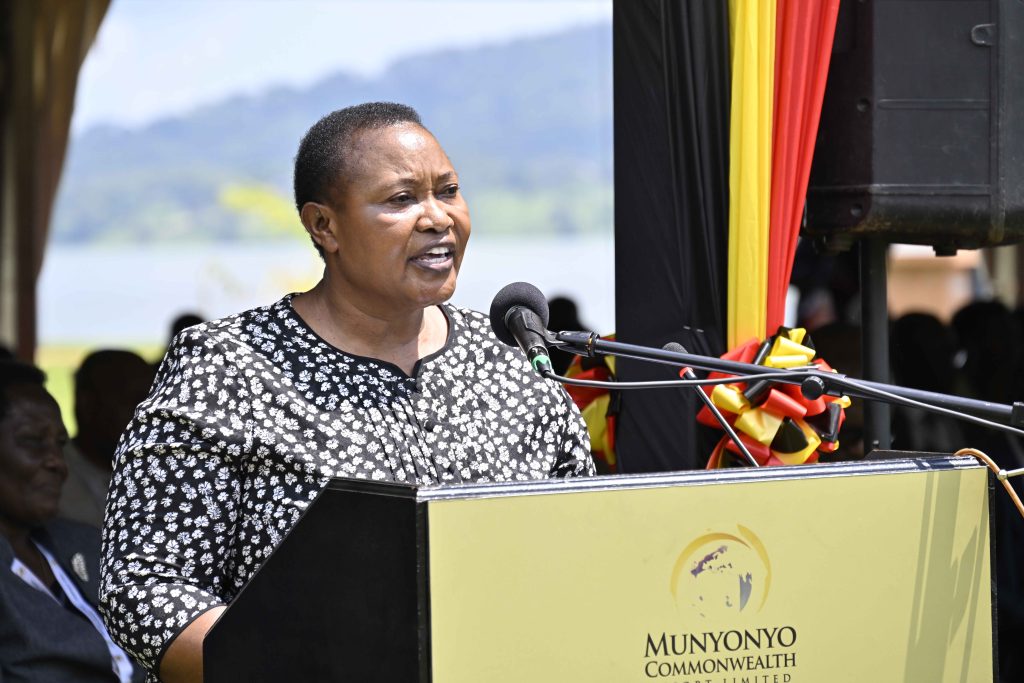
Babirye Milly Babalanda, the Minister for the Presidency, praised the conference as a platform for advancing governance and sustainable development in Africa. She noted Uganda’s strides in reforming public administration, improving financial management, and enhancing citizen participation.
“We must address challenges such as climate change, conflict, and economic instability while leveraging technology for development,” Babalanda said. She commended AAPAM for fostering collaboration and knowledge sharing among public administration professionals.
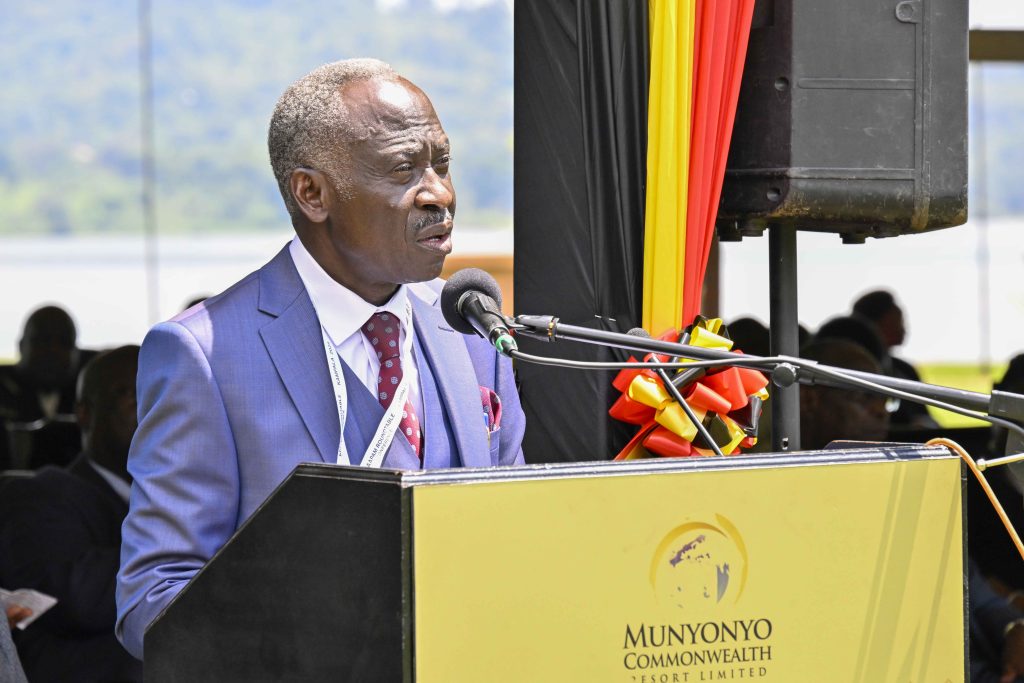
Dr. John Nakabago, AAPAM President, thanked Uganda for hosting the event and supporting his leadership. He praised the government’s policies promoting peace, regional stability, and refugee hosting.
“Uganda is a net exporter of peace and a pioneer in hosting refugees, with 1.8 million refugees in the country,” Nakabago said.
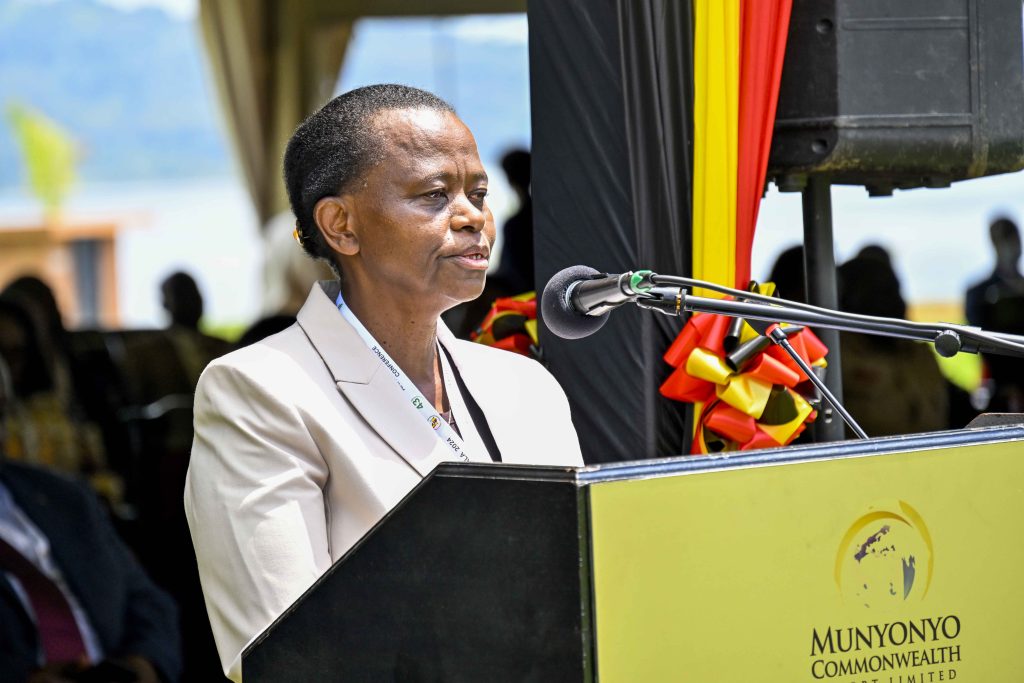
The Head of Public Service, Lucy Nakyobe, highlighted the importance of adapting public administration to meet contemporary challenges. “This conference will deepen Pan-African collaboration and serve as a mechanism for transformative action,” she said.
A Platform for Innovation
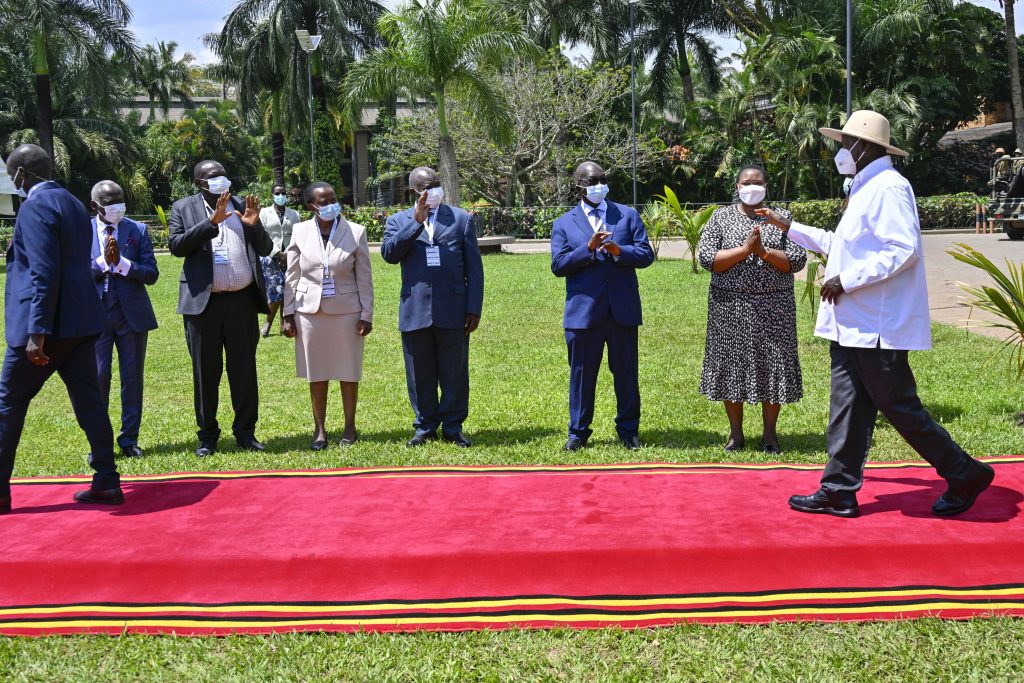
The conference will recognize innovative institutions that have excelled in public service delivery and honor an outstanding Ugandan for their contributions to public administration.
The event has positioned Uganda as a leader in public administration and a key destination for international events, marking the third time the country has hosted the AAPAM conference, after events in 1998 and 2018.

The AAPAM conference that opened on November 26th runs until November 29, 2024, with attendees including government ministers, heads of public service, and other senior officials.