

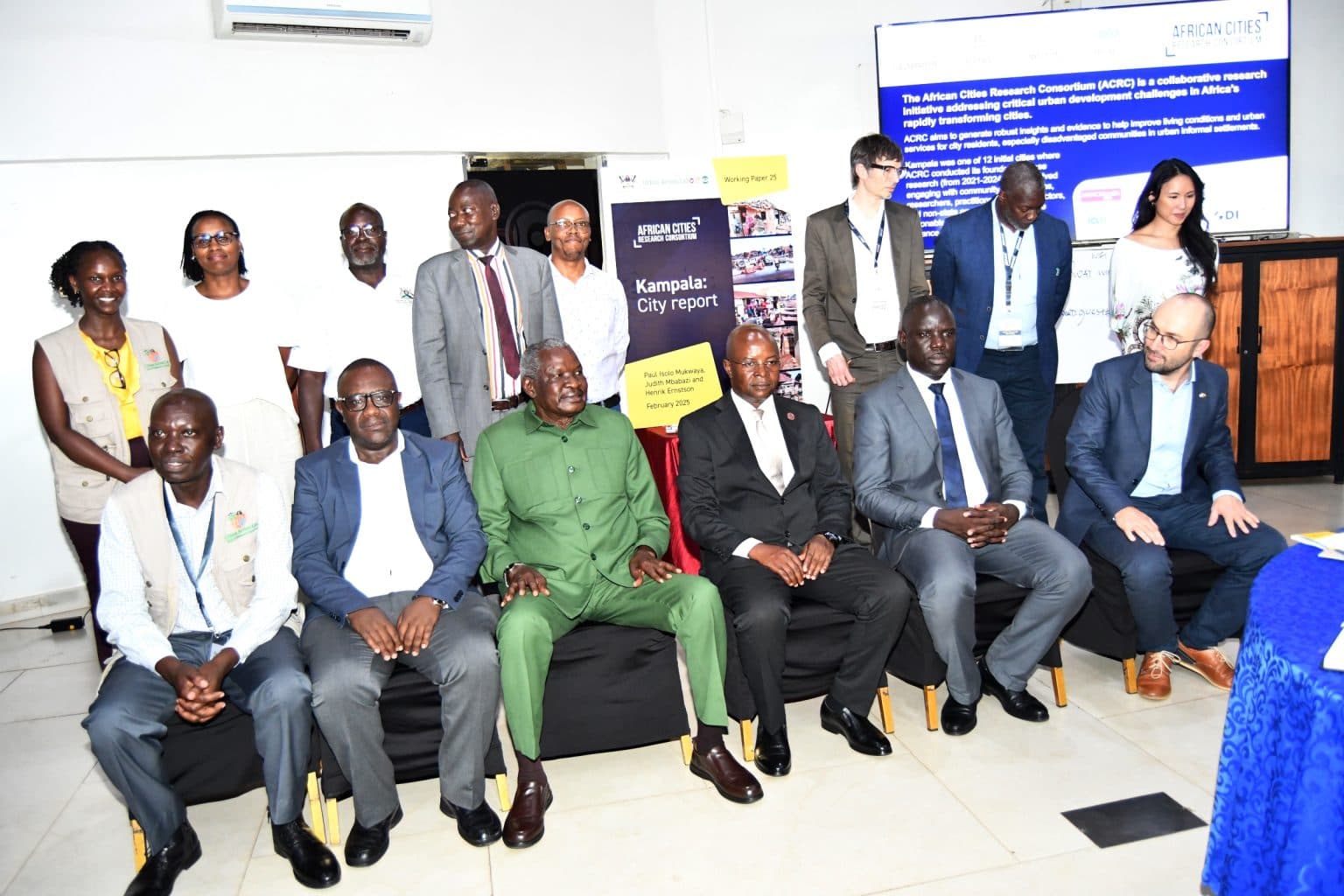
A new report by Makerere University has outlined strategies to drive sustainable urban development in Kampala, one of Africa’s fastest-growing cities. The study, part of the African Cities Research Consortium (ACRC) program, highlights both the challenges and opportunities in managing the city’s rapid growth.
Launched on February 13, 2025, by Mario Obiga Kania, Uganda’s Minister of State for Urban Development, the report provides a roadmap for improving infrastructure, governance, and service delivery. Researchers from Makerere University’s Urban Action Lab collaborated with local and international experts to offer practical solutions for a more inclusive and resilient city.
Opportunities for Growth
With an annual population growth rate of 5.6%, Kampala has potential for transformation. The report identifies key areas for improvement, including better housing, improved waste management, and enhanced public services. It also highlights the importance of upgrading informal settlements to create healthier and more livable communities.
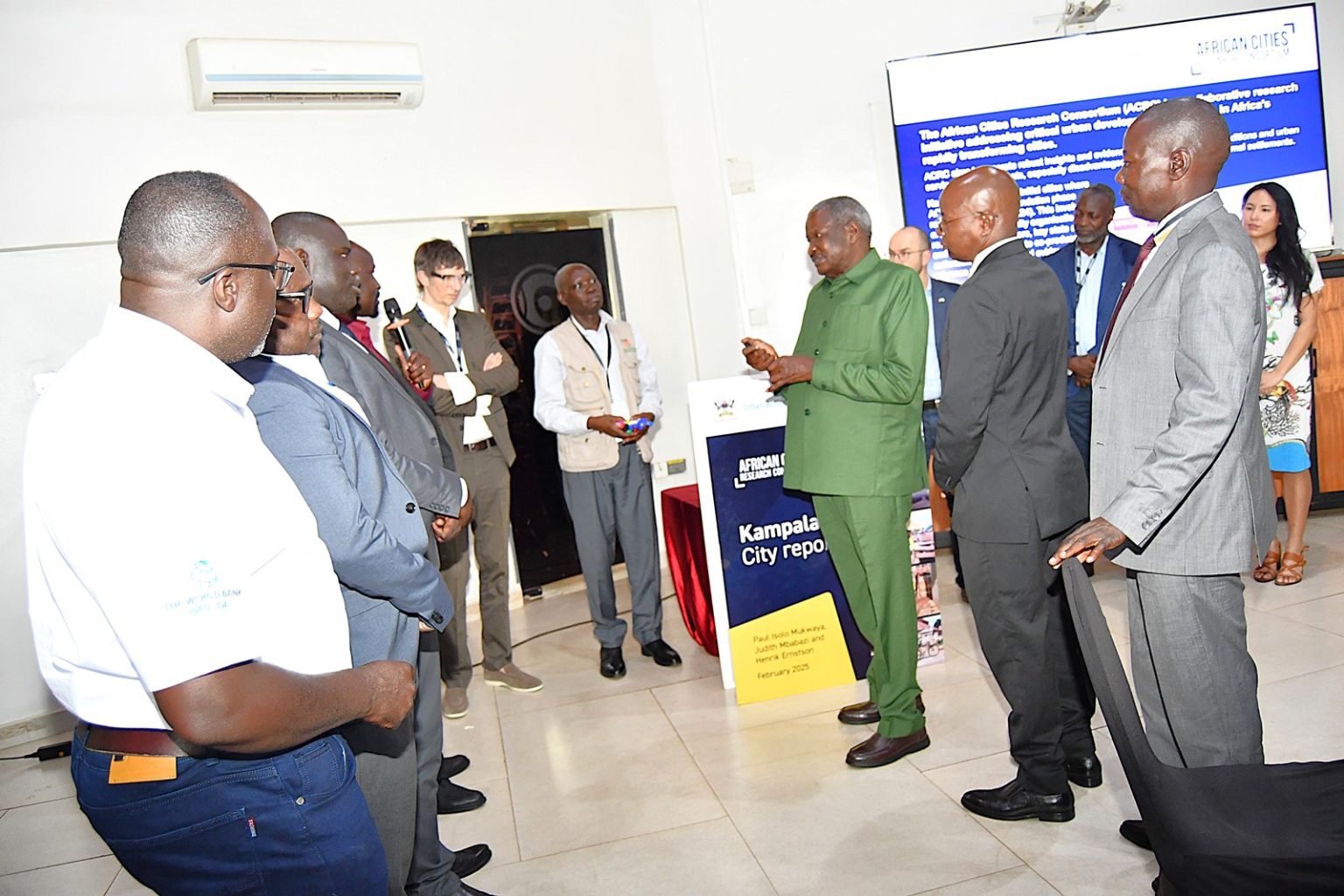
Governance improvements are also crucial. By strengthening coordination between Kampala Capital City Authority (KCCA) and the central government, the city can streamline service delivery and ensure efficient urban planning.
Dr. Paul Isolo Mukwaya, lead author of the report, emphasized the need for proactive solutions. “Kampala’s growth presents challenges, but also great opportunities. With the right policies, we can turn urban pressures into drivers of development,” he said.
Proposed Solutions for a Thriving City
The report recommends several key interventions to support Kampala’s progress:
- Upgrading informal settlements with better housing and essential services.
- Enhancing land registration systems to boost security and reduce disputes.
- Improving waste management through sustainable recycling initiatives.
- Expanding youth training programs to create employment and economic growth.
- Strengthening governance to enhance efficiency and service delivery.
Mario Obiga Kania urged leaders to take action. “Research should guide practical solutions. Kampala has the potential to become a model city in Africa, and we must work together to make this vision a reality,” he said.
A Shared Vision for Development
Kampala Lord Mayor Erias Lukwago welcomed the report’s insights and stressed the need for long-term planning. “Kampala is a city of great promise. With structured policies, we can create an urban environment that works for everyone,” he said.
Prof. Edward Bbaale, representing Makerere University’s Vice Chancellor, reaffirmed the institution’s commitment to sustainable urban development. “Makerere University will continue to play a key role in shaping policies that make Kampala a better place to live and work,” he stated.
The report also highlights innovative projects, such as a plastic waste recycling hub in Kisenyi III and improved sanitation at Ggaba Market, demonstrating practical steps toward a cleaner and healthier city.
With these recommendations, stakeholders see a bright future for Kampala.