

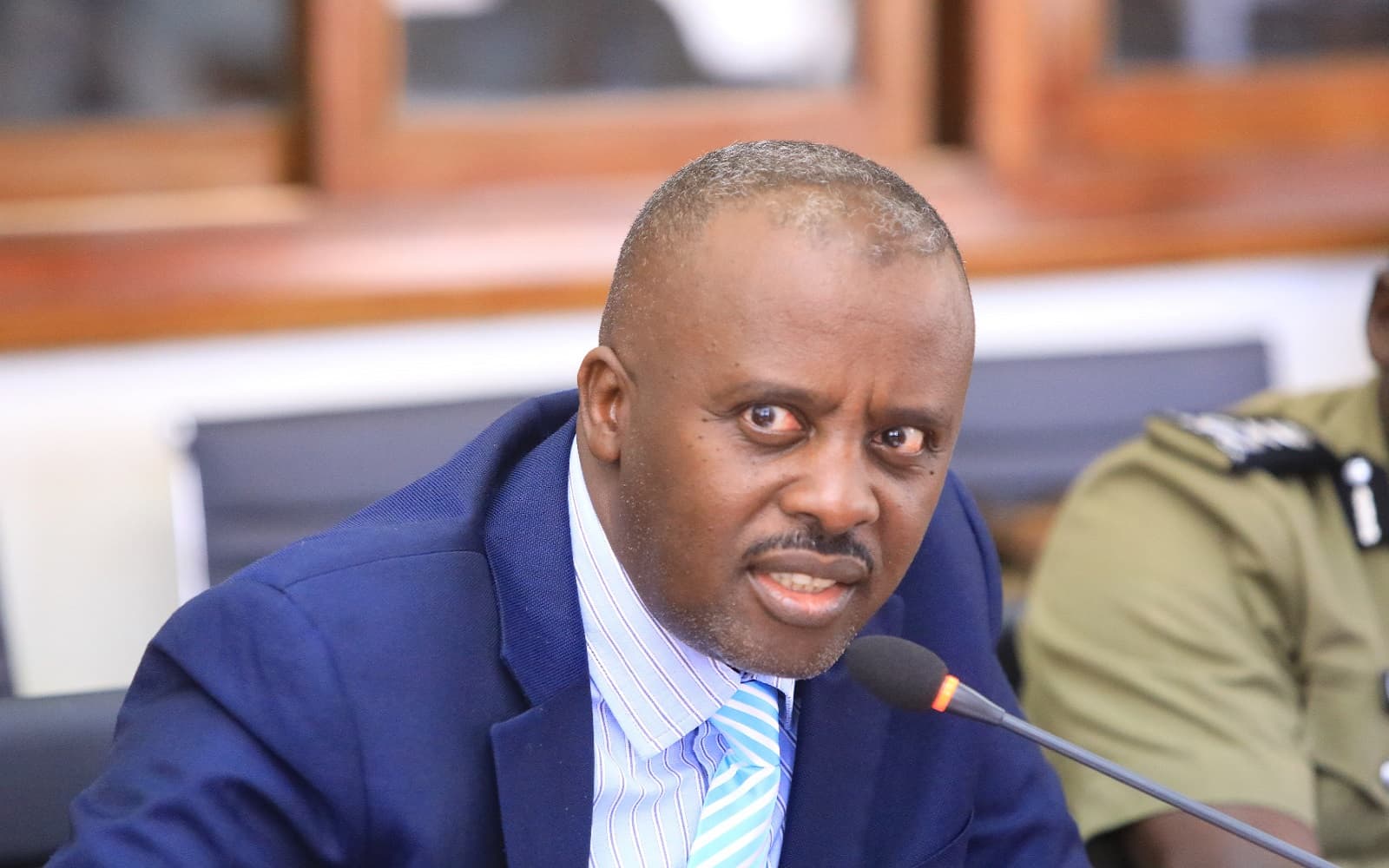
The Uganda Police Force (UPF) requires $62 million to implement Phase III of the national CCTV project, aimed at strengthening surveillance and security across the country.
Undersecretary Aggrey Wunyi revealed this while appearing before Parliament’s Committee on Defence and Internal Affairs on Tuesday, March 11, 2025. He said the project is still in the design and budget solicitation stage.
State Minister for Internal Affairs Gen. David Muhoozi, Inspector General of Police (IGP) Abbas Byakagaba, and other senior officers attended the committee meeting.
Muhoozi reported that the first two phases of the CCTV system, implemented since 2018, have achieved an average performance of 85% to 95%, with some districts reaching full operational capacity. He said the system now covers all 19 Kampala Metropolitan policing divisions and major municipalities, including Masaka, Mbarara, Kabale, Gulu, and Jinja.
“Since implementation, 42,417 operational and intelligence-led incidents have been managed, and 6,688 cases have undergone thorough investigation using CCTV footage,” Muhoozi said.
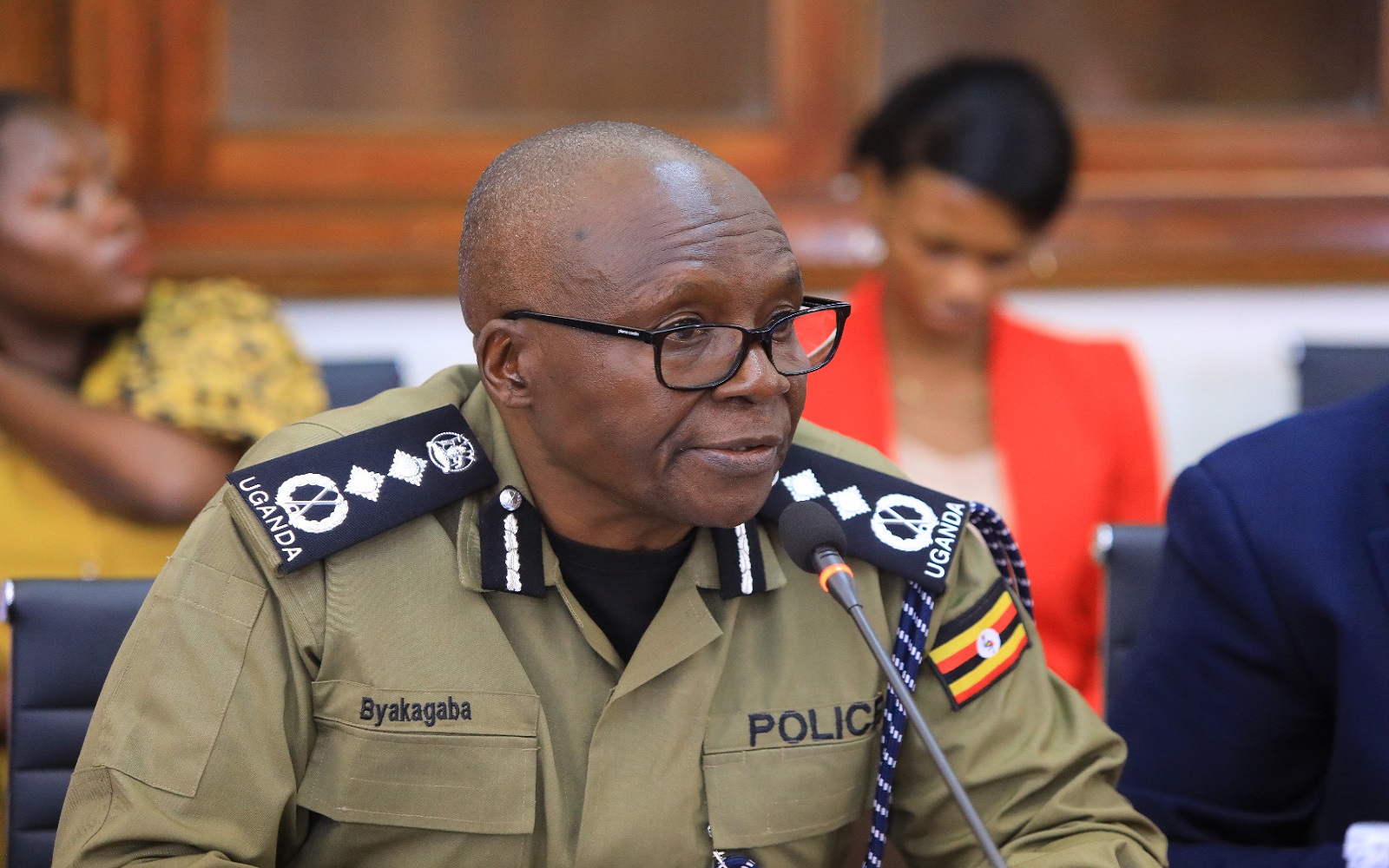
Phase III aims to address gaps in earlier phases by increasing camera density to reduce blind spots, introducing body-worn cameras for officers, and expanding the data center’s storage and processing capacity. Muhoozi assured lawmakers that the system is maintained by qualified IT personnel, with only periodic training required for upgrades.
However, legislators questioned the system’s effectiveness, particularly during power outages and instances of vandalism.
Committee Chairperson Wilson Kajwengye asked if the cameras could function without electricity. The UPF Director for ICT, Felix Baryamwisaki, explained that camera sites have an eight-hour power backup, while main monitoring centers have longer reserves.
“If the main grid goes off beyond eight hours, we get affected, but city power access has improved, and outages rarely last more than four hours. We are also planning to install solar systems in areas with longer blackouts,” Baryamwisaki said.
Bukooli Island County MP Peter Okeyoh raised concerns about vandalism. Muhoozi responded that cameras are mounted on poles covered with spikes to deter tampering.
Kagoma North MP Kintu Brandon inquired about integrating footage from private CCTV cameras in investigations. Muhoozi clarified that the national system is not linked to private cameras due to privacy laws.
“We only use volunteer information from private camera owners. There is no legal framework governing how their footage can be integrated into the national grid,” he said.
If funded, Phase III is expected to enhance police surveillance, improve crime detection, and strengthen national security.