

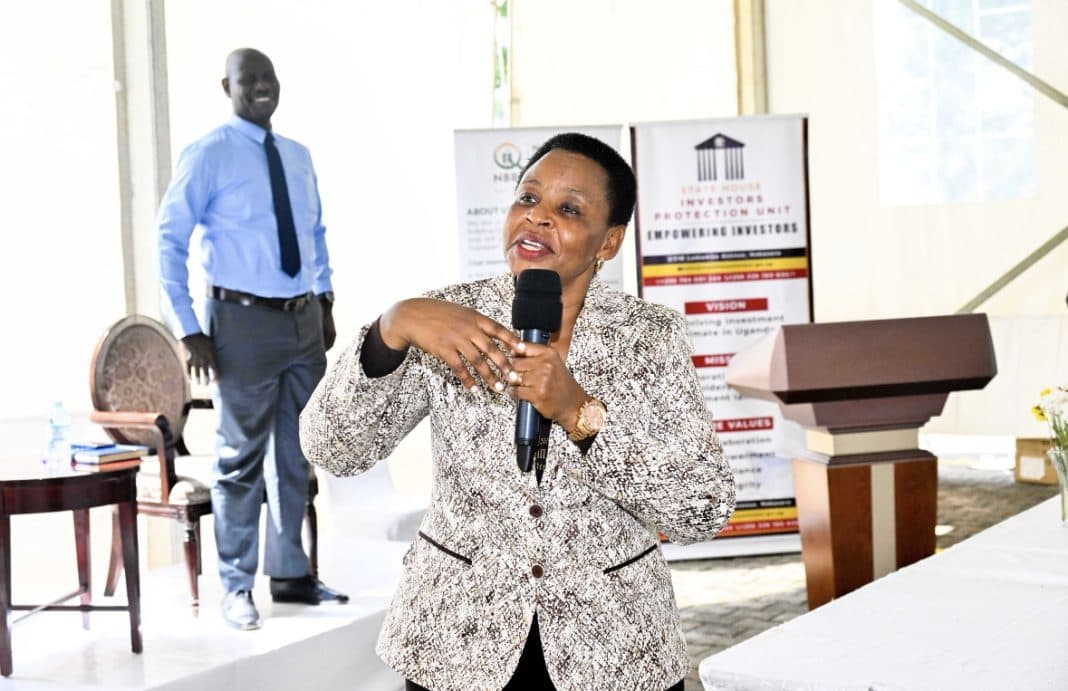
Col. Edith Nakalema, Head of the State House Investors Protection Unit (SHIPU), has urged the National Building Review Board (NBRB) to fully embrace digital automation in the construction sector to reduce bureaucracy and eliminate corruption.
Speaking at the close of a three-day national workshop on building control held at Lake View Hotel in Mbarara City on April 25, Col. Nakalema emphasized the importance of using the Building Industry Management System (BIMS) to streamline operations.
“Through automation, we shall be able to speed up the approval process and improve revenue. This will ensure effective service delivery,” she said. “The BIMS will help us move together by swiftly driving building control activities.”
The workshop brought together Building Control Officers (BCOs) and Physical Planners (PPs) from across Uganda to discuss ways of improving infrastructure governance and efficiency.
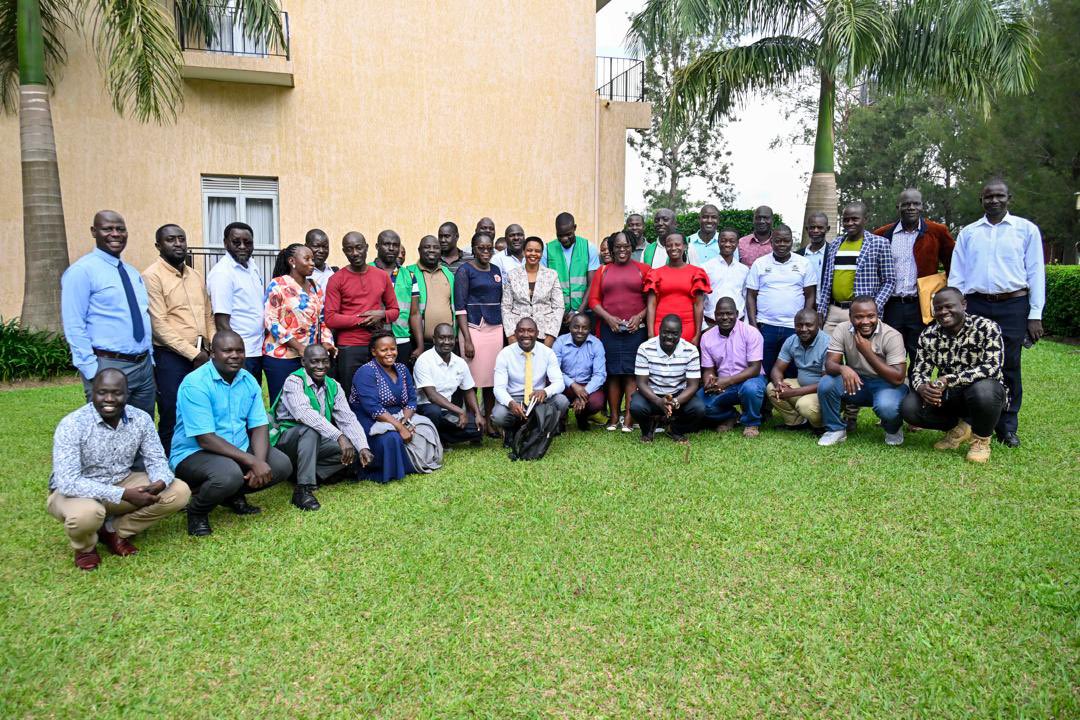
Col. Nakalema pledged SHIPU’s continued support to ensure a favorable investment climate in the construction sector. She called on officers to uphold transparency and efficiency, describing them as key pillars of public service.
“We are all key players in building control management. We must ensure we promote efficiency and transparency in the construction sector,” she said. “There’s good hope of working together for the economic and general development of our country.”
She highlighted common complaints raised by citizens, including delayed project completion, poor planning, and corruption in procurement processes.
“Perceived favoritism and corruption in awarding contracts,” she noted, “Some procurement requirements are deliberately hiked to fit specific preferred contractors.”

Col. Nakalema also pointed out issues of poor workmanship, such as the use of substandard materials and unskilled labor, which she said put public safety at risk.
NBRB Executive Secretary Eng. Flavia Gutto Bwire welcomed the call for automation and reaffirmed the board’s commitment to investor protection.
“This annual workshop gives us an opportunity to empower our Building Control Officers and Physical Planners with the tools they need,” she said. “If anybody is dissatisfied, they are not left alone—NBRB is here to serve you.”
She added that the automation system already in place would reduce delays in plan approvals and help investors navigate regulatory processes smoothly. “Everything we do as the board is to ensure that our investors are not frustrated because we all need each other.”
Denis Sekitoleko, Chairperson of the Building Control Officers, said the officers resolved to work closely with Physical Planners and NBRB to enhance community awareness about building regulations.
“We have also resolved to work with the NBRB to achieve our desired goal of having building control activities monitored,” he said.
Representing the private sector, Mwijuka Simon, Chairperson of the Mbarara City Traders Association, thanked NBRB for guiding Ugandans on proper construction practices. However, he criticized lax supervision of construction sites by officers.
“You rarely go to construction sites to see what is taking place. This is detrimental to the lives of Ugandans and proper planning of the areas,” he said.
The workshop aimed to enhance coordination between BCOs and PPs in local governments, streamline development approval workflows, and strengthen their understanding of inspection procedures and standard documentation.