
Uganda’s Parliament has passed the Political Parties and Organisations (Amendment) Bill, 2025, requiring political parties to demonstrate commitment to democratic values such as tolerance, dialogue, and peaceful co-existence in order to qualify for government funding.
The Bill, introduced by Faith Nakut, Woman MP for Napak District, was passed during a plenary session chaired by Speaker Anita Among on Tuesday, 20 May 2025. It amends the existing law to condition state financing on a party’s membership in the Inter-Party Organisation for Dialogue (IPOD), a platform that fosters structured dialogue among political parties.
“We have been providing money for the political parties in the House. The law is saying that we have parties in Parliament that do not subscribe to IPOD, that should subscribe to get the money,” said Speaker Among. “If you do not want to cooperate and participate in IPOD, then there will be no money.”
Kiryowa Kiwanuka, the Attorney General, supported the amendments, citing their alignment with Article 72(3) of the Constitution, which mandates Parliament to regulate the financing and operations of political organisations.
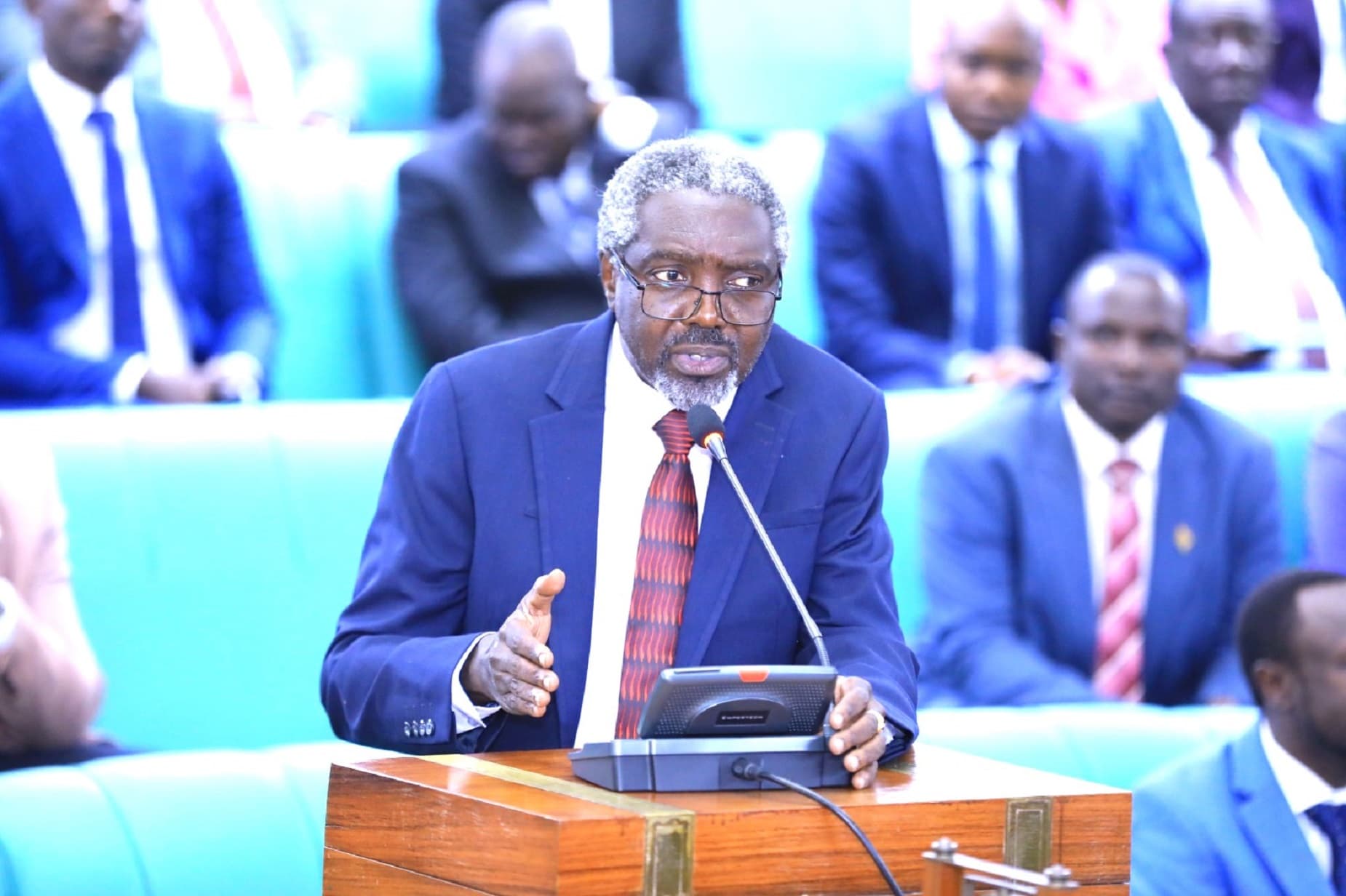
Presenting the report on the Bill, Stephen Baka, Chairperson of the Committee on Legal and Parliamentary Affairs and MP for Bukooli County North, said the committee agreed with the changes.
“The committee agrees that when political parties commit to these principles, it reduces the likelihood of conflicts, violence and divisive politics, fostering a more stable and peaceful society,” Baka said.
The Bill also revises Section 20 of the principal Act to formally recognize IPOD as a statutory organ under the National Consultative Forum, covering political parties with parliamentary representation.
Under the new law, IPOD’s responsibilities expand to include conflict prevention, dispute resolution, and sustained engagement on legislative and policy issues. It also provides for the creation of a parallel forum for political parties and organisations without parliamentary seats, ensuring inclusive national dialogue.
The passage of this Bill marks a significant shift in Uganda’s political financing landscape, promoting dialogue-based politics and reducing fragmentation within the multiparty system.