

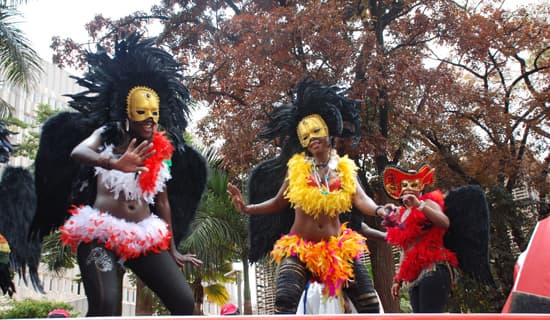
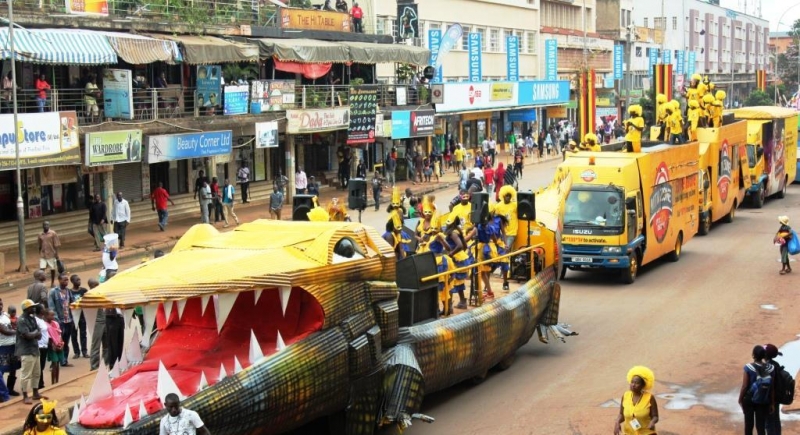
The Kampala City Festival is returning, Kampala Capital City Authority (KCCA) Executive Director Sharifah Buzeki announced Monday, describing it as a renewed symbol of unity, civic pride, and urban transformation.
Set to be launched on August 6 at City Hall, the festival will return after years of suspension, reintroducing one of Uganda’s largest and most vibrant street celebrations.
“This is not just about celebration. It is about unity, pride, and reaffirming our shared goal of a clean, modern Kampala,” said Buzeki, while addressing the media at the Uganda Media Centre.
The return of the festival comes as KCCA releases its 2024/2025 performance report, highlighting a year of substantial progress in waste management, roads and drainage upgrades, public service delivery, and youth empowerment.
Massive Urban Improvements Set Stage for Festival Revival
According to Buzeki, the festival returns at a time when the city is undergoing a major facelift — one she called “a period of bold action, decisive leadership, and unwavering commitment.”
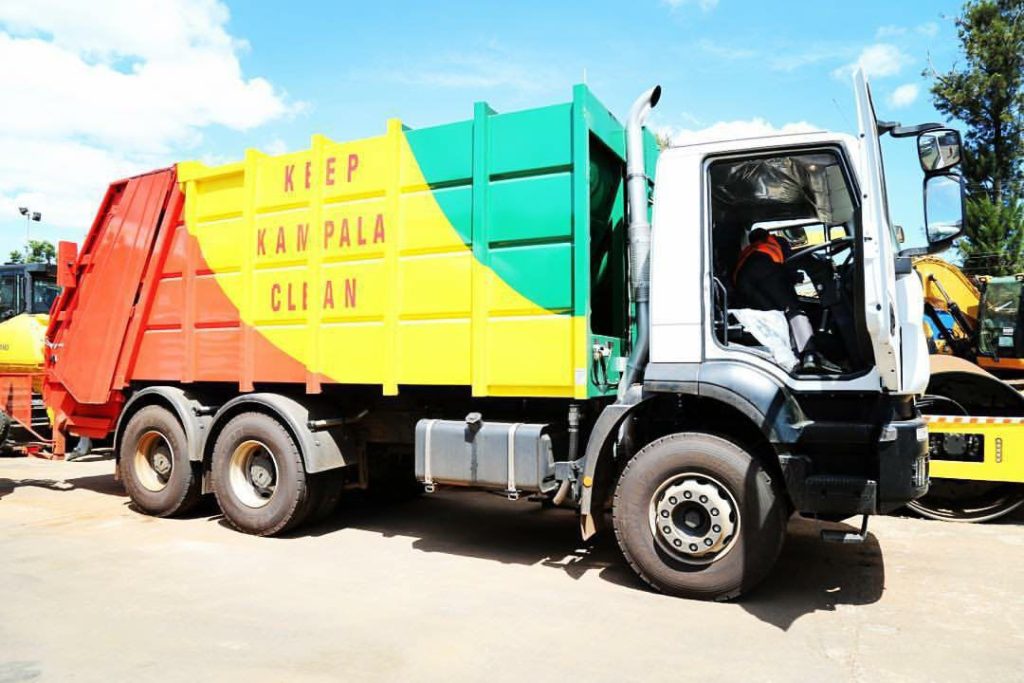
In waste management, KCCA began stabilising seven acres of the overburdened Kiteezi landfill using a $1 million grant from the Japanese government through UN-Habitat. Meanwhile, the Authority secured a 230-hectare site in Buyala, Mpigi District, for a new Integrated Waste Management and Resource Recovery Facility.
The Authority also employed over 4,000 vulnerable residents under SACCOs to support city cleaning and public sensitisation efforts. All payments were cleared by the end of the financial year.
Kampala's Road Network Sees Boost
The Kampala City Roads Rehabilitation Project (KCRRP) saw over 70 km of roads upgraded, with bridges like Kayemba and Nakawa Railway Crossing nearly complete. Fifteen more roads covering 19.85 km were launched under the Greater Kampala Metropolitan Area Urban Development Program (GKMA-UDP), spanning all five divisions.
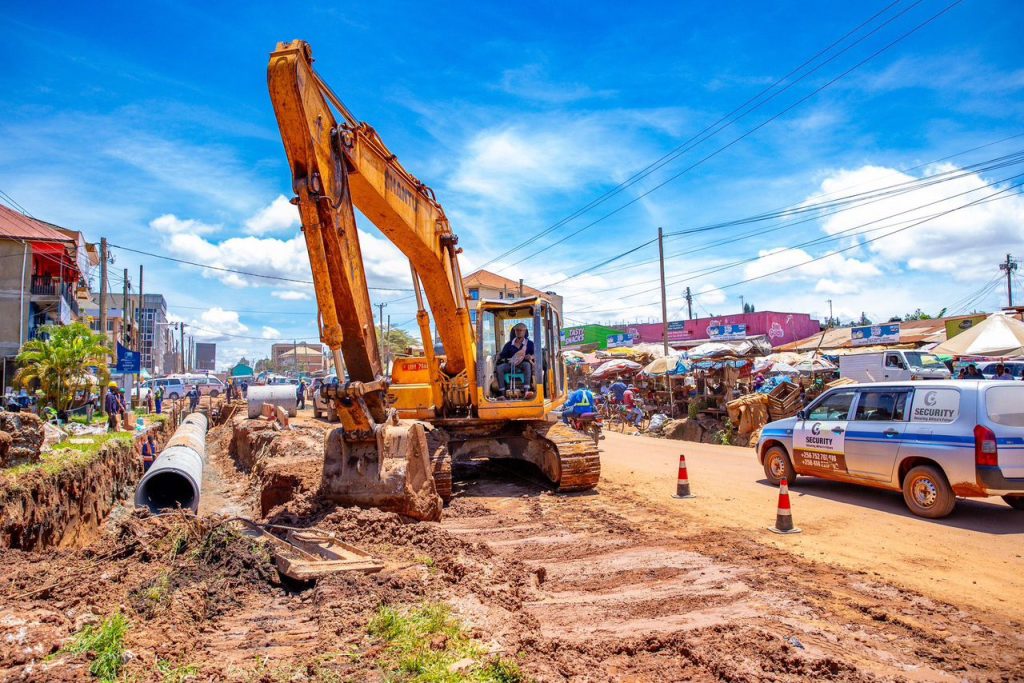
In the next three years, UGX 550 billion will be invested to reconstruct 84 kilometers of roads and drainage systems, with Dott Services handling the works. KCCA also completed 27 traffic junction signalisations and launched the Kampala Traffic Control Center at City Hall.
Markets, Schools, and Health Services Improved
Public sanitation improved with the construction of 59 new toilets and renovation of 14 more across schools and public spaces. KCCA upgraded school infrastructure at Nakivubo Primary, Kololo SS, Kyambogo College, and others, while a maternity ward is under construction at Kiswa Health Centre.
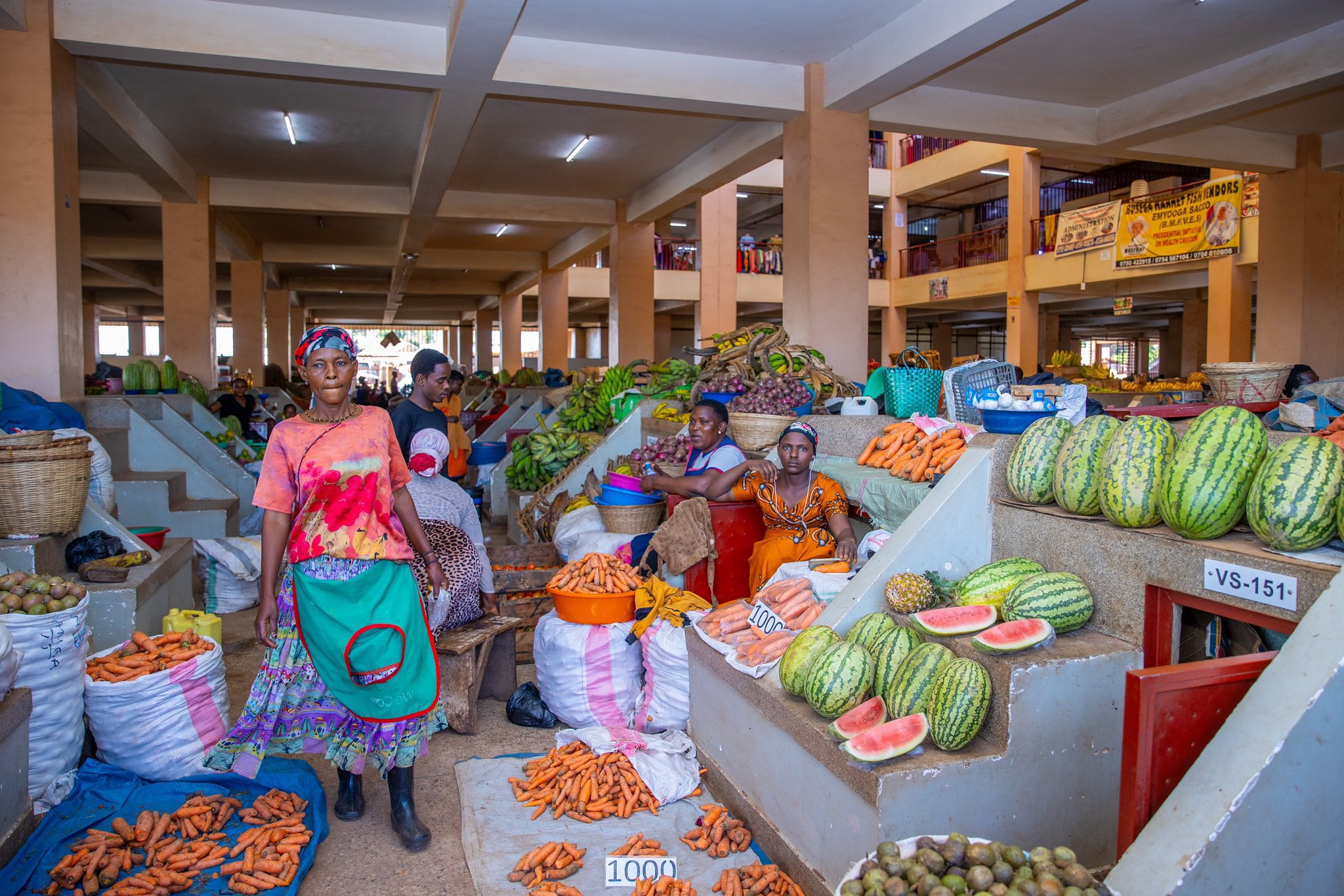
Markets like Busega were commissioned to accommodate over 2,000 vendors, with zoning and registration completed in most city markets. More than 600 youths received vocational training and start-up kits, and over 5,000 were mentored or placed in apprenticeships.
Kampala also led in implementing the Parish Development Model, with UGX 9.8 billion reaching 9,065 beneficiaries in the past year alone.
Environmental Recovery and Revenue Growth
Over 8,500 trees were planted, supported by the launch of the Urban Forest Management Plan. KCCA also surpassed its revenue collection target, bringing in UGX 127.6 billion and registering over 29,000 new taxpayers.
Despite challenges such as wetland encroachment and funding gaps for garbage trucks and ambulances, Buzeki expressed optimism.
“We will not slow down,” she said. “Through partnerships, planning, and collective action, we will build the Kampala we all deserve.”
Civic Order and Political Discipline Urged
With the 2026 elections approaching, KCCA is urging political players to respect civic spaces. Political activities in markets and health centers are discouraged, and official guidelines for campaign materials have been issued.
The return of the Kampala Festival is expected to reignite civic engagement while showcasing the capital’s transformation. The exact date of the festival will be confirmed at the launch.