


Uganda is set to host a US$180 million organic fertilizer factory following an agreement signed by Intracom Fertilizers Uganda–SMC Ltd, a move expected to transform the country’s agricultural sector.
The facility will be established on 133 acres in Kampiringisa, land provided by the Ministry of Gender, Labour and Social Development. Once completed within 18 months, the factory will produce 250,000 metric tons of organic fertilizer annually using cow dung and minerals. An offtake agreement guarantees that the fertilizer will be purchased, provided it is manufactured locally.
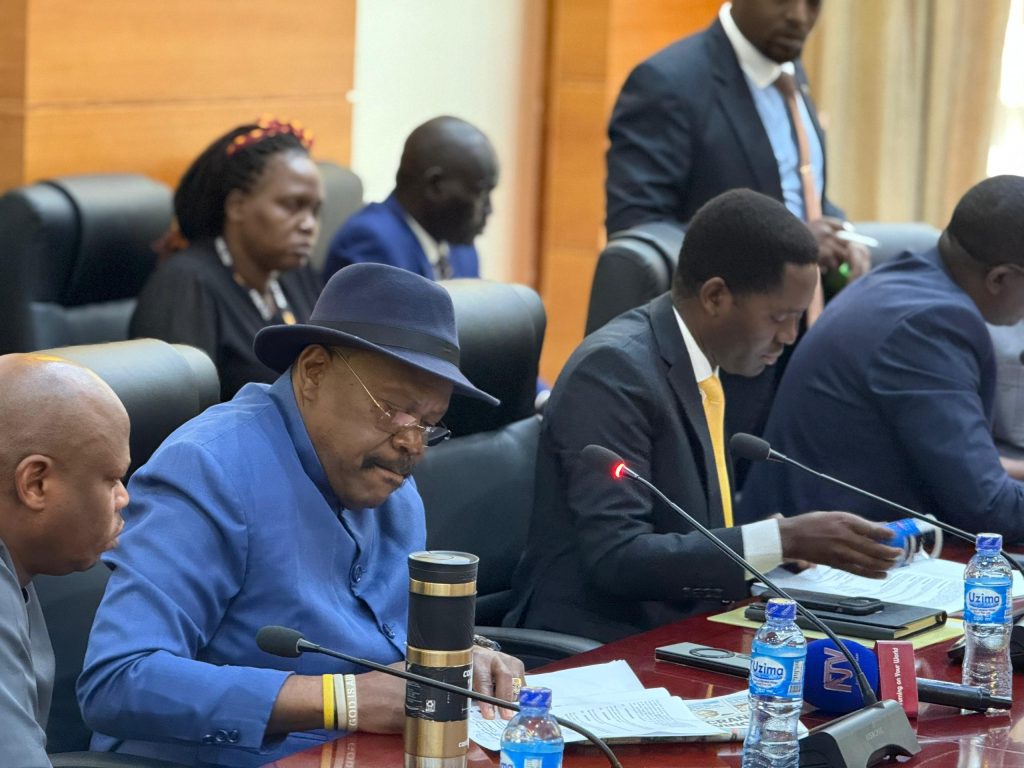
The signing ceremony, attended by key ministries, was witnessed by the Prime Minister, Robinah Nabbanja. She praised President Yoweri Kaguta Museveni for his leadership in securing the project, describing it as “a cornerstone of Uganda’s agricultural transformation.”
“This partnership reflects a mutual interest in fostering sustainable agricultural growth, ensuring food security, and creating economic opportunities for Ugandan farmers,” Nabbanja said.

The Permanent Secretary of the Ministry of Agriculture, Animal Industry and Fisheries (MAAIF), Maj. Gen. David Kasura-Kyomukama, noted that the project directly addresses Uganda’s urgent need for quality fertilizer inputs. He stressed the importance of improved soil fertility, irrigation, mechanization, better genetics, and mindset change in boosting agricultural productivity.
The President directed MAAIF to prepare a cabinet paper to formalize the initiative and to mobilize farmers in the cattle corridor to supply cow dung. The Ministry of Energy and Mineral Development will provide utilities to support the factory’s operations.
Intracom Fertilizers Uganda is led by Adrian Ntigacika, who thanked the Government of Uganda and its partners for their support. He highlighted Intracom’s successful operations in Burundi and Tanzania, saying the Uganda project demonstrates “our shared commitment to advancing agriculture in the region.”
With its large-scale production capacity and focus on sustainability, the factory is expected to provide farmers with affordable, high-quality fertilizer, strengthening food security and driving economic growth.