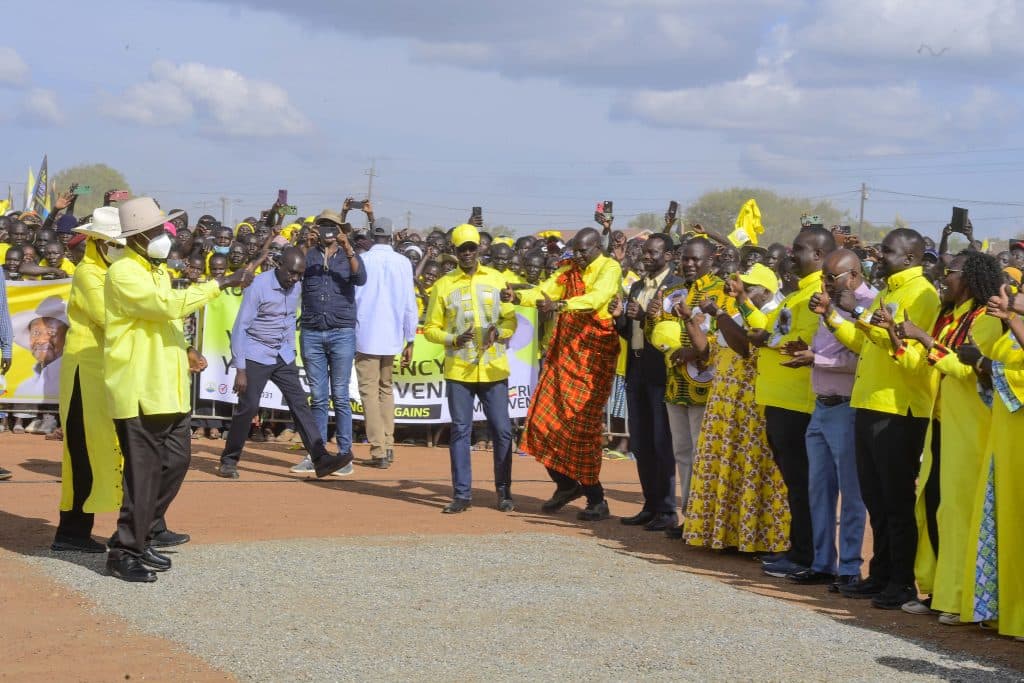
When President Yoweri Kaguta Museveni looks back at Koboko’s past, he remembers an empty land. In 1986, when the National Resistance Movement (NRM) had just taken power, the district was a ghost of its former self — its people scattered in exile, its villages silent.
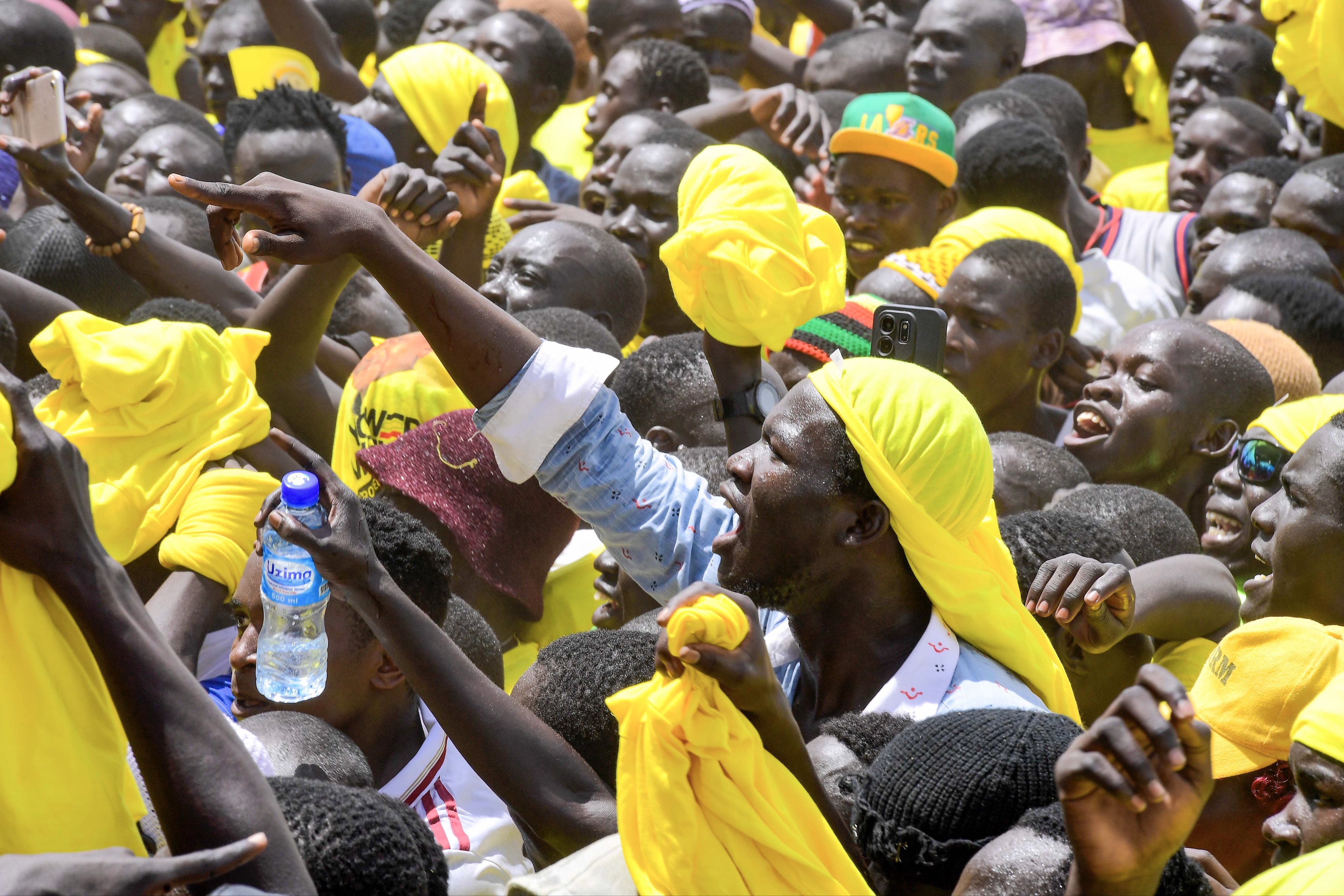
“Almost the whole of Koboko was empty,” he told thousands of supporters at a campaign rally on Tuesday. “As I drove towards the Olaba border with South Sudan, I could see Ugandans peeping from across the border in fear. I called them to come back home.”
That moment, the President said, marked the beginning of a new chapter for West Nile — one built on the peace that the NRM restored and has safeguarded for nearly four decades. “Today, Koboko is full of people again because of the peace that the NRM restored,” he said, drawing applause from the crowd.
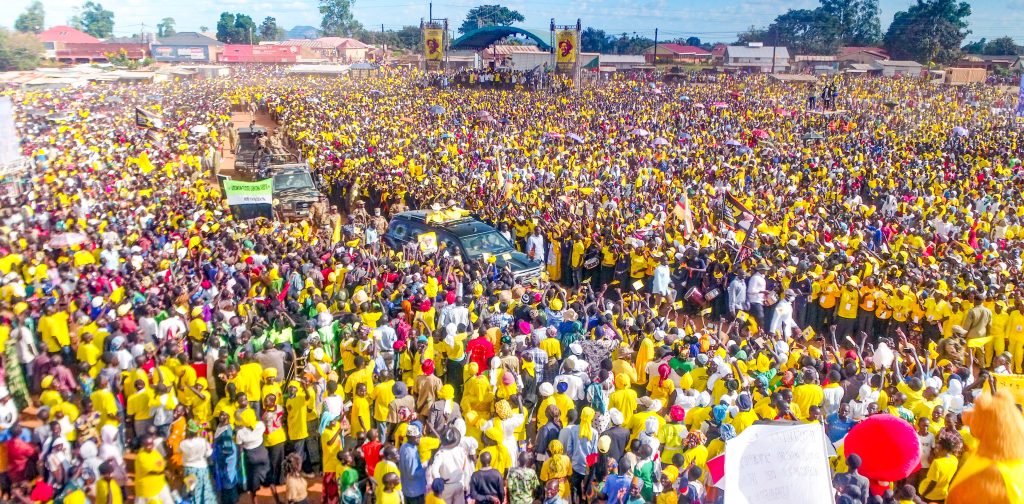
Building Peace Through Unity
Museveni said Uganda’s peace was achieved not by chance but through a deliberate strategy of combining force with reconciliation. Rejecting sectarian politics based on tribe, religion, or gender, he added, was essential to building a united country.
“It is therefore suicidal to talk about politics of sectarianism,” he warned, urging the people of Koboko to remain steadfast in the NRM’s ideology of patriotism and unity. He said the government’s inclusive approach has allowed all regions to participate freely in national institutions such as the army and police.
Museveni reminded the people that he had again offered himself to lead the country — not merely as a candidate, but as a servant with unmatched experience. “I have been watching Uganda for the last 65 years and have been involved directly or indirectly all that time,” he said.
He emphasized that the NRM’s seven key pillars, which are now being implemented at parish level, are the same principles that brought peace, stability, and transformation across Uganda.
Transforming Koboko Through Infrastructure
The President outlined key infrastructure projects that have opened up Koboko and the wider West Nile sub-region. These include the completed Vurra–Arua–Koboko and Atiak–Adjumani roads, as well as the ongoing rehabilitation of the Olwi–Pakwach and Karuma–Olwi roads.
He also announced that the construction of the Koboko–Yumbe–Moyo road will be completed by 2027, further linking communities and boosting trade.
To spur industrial growth, Museveni revealed plans to establish an industrial park in Koboko. “This park will promote manufacturing and create jobs for our people,” he said, emphasizing the NRM’s focus on adding value to local production.
Education and Skills Development
On education, President Museveni said Koboko District currently has 59 government primary schools, six government secondary schools, and 10 schools in the municipality. Out of the district’s 49 parishes, 28 have government-aided primary schools.
He directed that every parish should have a government primary school and every sub-county a government secondary school. “Education must be accessible to all children, regardless of where they are born,” he said.
Museveni expressed disappointment that some school heads still charge illegal fees despite the introduction of free education in 1996. “I saw the danger coming in 1995 and introduced free education, but they didn’t listen,” he said.
To strengthen education delivery, the President announced that government will recruit over 50,000 new teachers in the next term and expand free skilling centres nationwide.
From Peace to Prosperity
President Museveni urged the people of Koboko to focus on household wealth creation, saying national development means little if families remain in poverty. “Development is there — tarmac, electricity, schools, hospitals — but all that is ours collectively. What is yours? In your household, there is either poverty or wealth,” he said.
He encouraged families to use initiatives like the Parish Development Model (PDM) to start income-generating activities and join the money economy.
A Call for Patriotism and Support
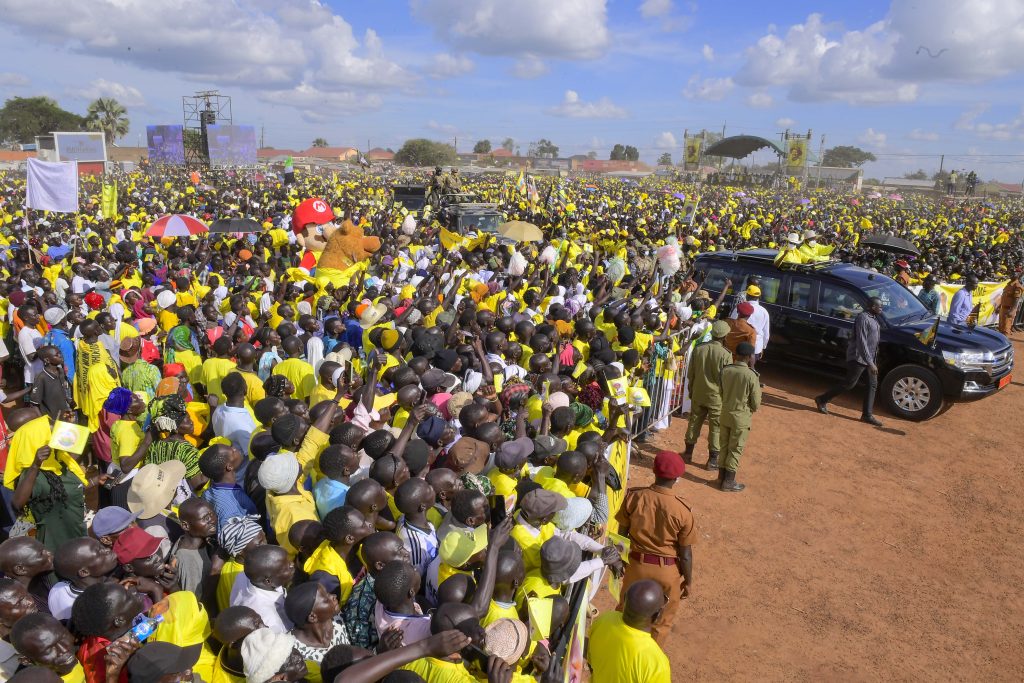
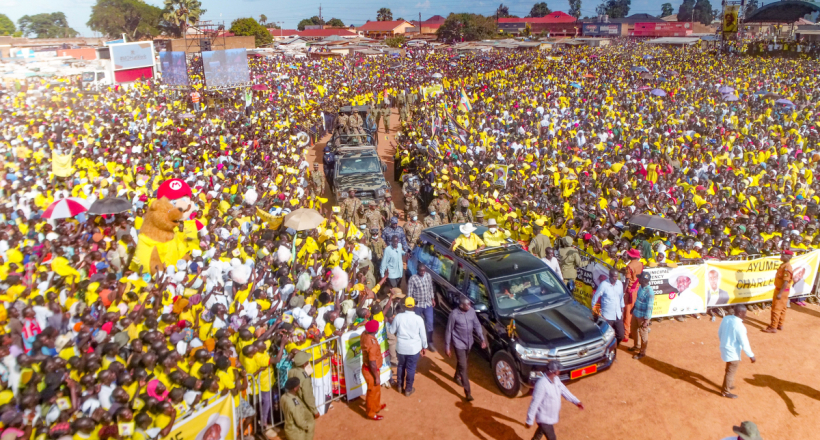
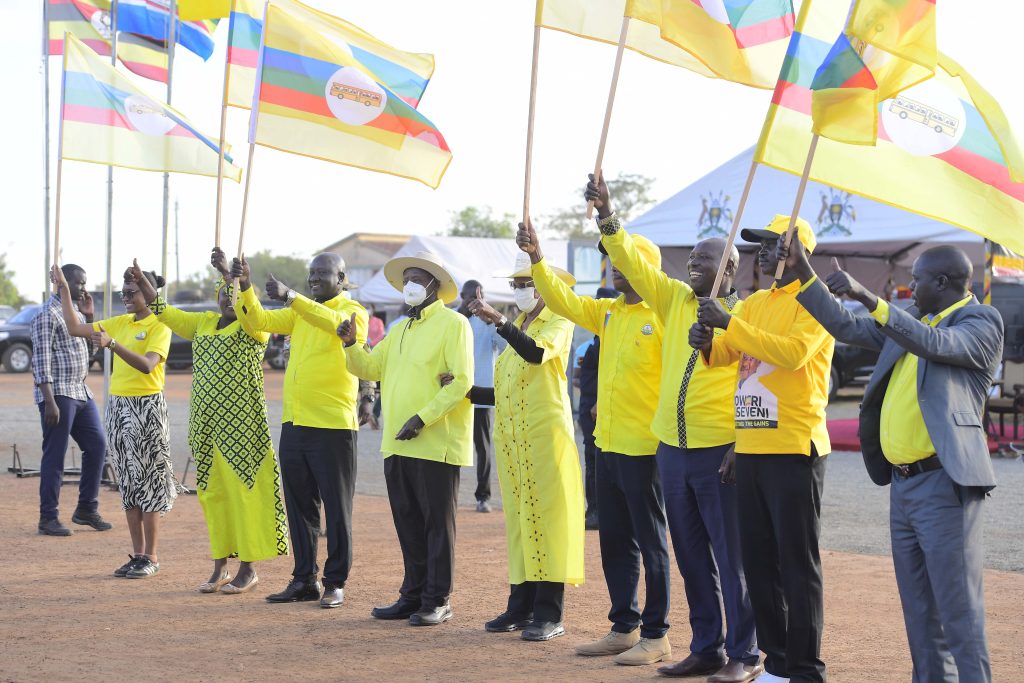
The First Lady and Minister of Education and Sports, Maama Janet Kataaha Museveni, thanked the people of Koboko for their massive turnout and strong show of patriotism. “This is the day the Lord has made; we must rejoice. Thank you, Koboko, for sending a strong patriotic message — your numbers speak for themselves,” she said, appealing for 90% support for the NRM in the upcoming elections.
NRM Vice Chairperson for Northern Uganda, Hamson Obua, praised the President for restoring peace and harmony in West Nile, saying, “You brought back Ugandans who had fled after the fall of Idi Amin. Today, Koboko stands as a symbol of peace and stability.”
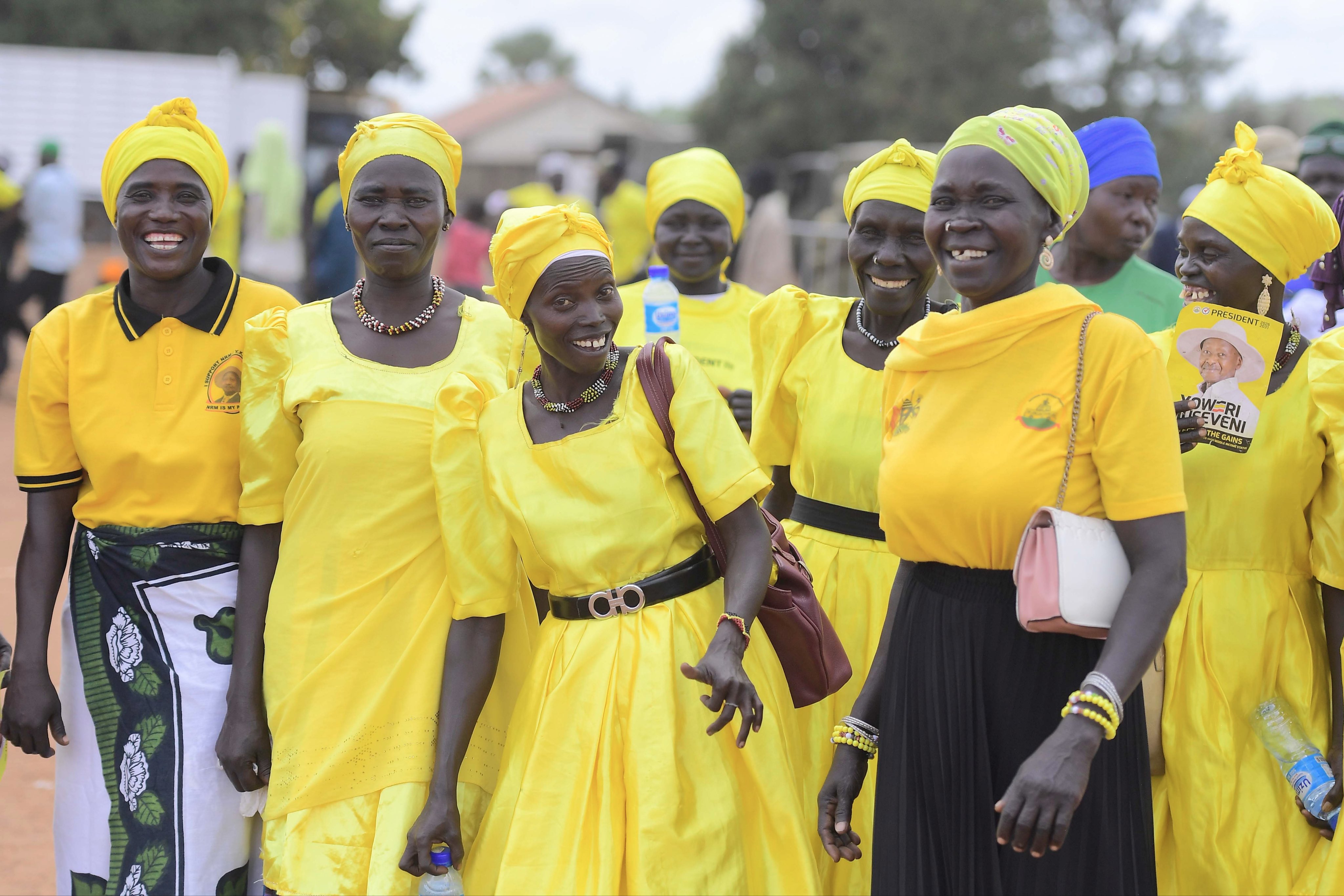
Koboko District NRM Chairman, Dramiga Samanya, thanked the President for empowering local party structures to lead the campaign. He commended the NRM government for delivering peace, electricity, and a robust road network in the district. “Koboko has witnessed transformation under your leadership. The people here will vote overwhelmingly for you,” he said.
As the rally ended, chants of “NRM oyee!” echoed across Koboko town, a region once emptied by war but now thriving under peace — a peace that President Museveni said remains the foundation of everything Uganda has achieved.