The government, in partnership with Equity Bank, rolled out an ambitious agricultural initiative in the Busoga sub-region aimed at lifting thousands of households out of poverty through commercial oil palm farming.
The National Oil Palm Project, launched at the Mayuge District Headquarters, seeks to empower smallholder farmers with affordable credit, modern agricultural training, and access to stable markets. The program is part of the government’s broader strategy to promote agro-industrialization and rural transformation.
Presiding over the launch, State Minister for Agriculture, Animal Industry and Fisheries, Fred Bwino Kyakulaga, said the project would offer lasting economic relief to a region that has long struggled with poverty.
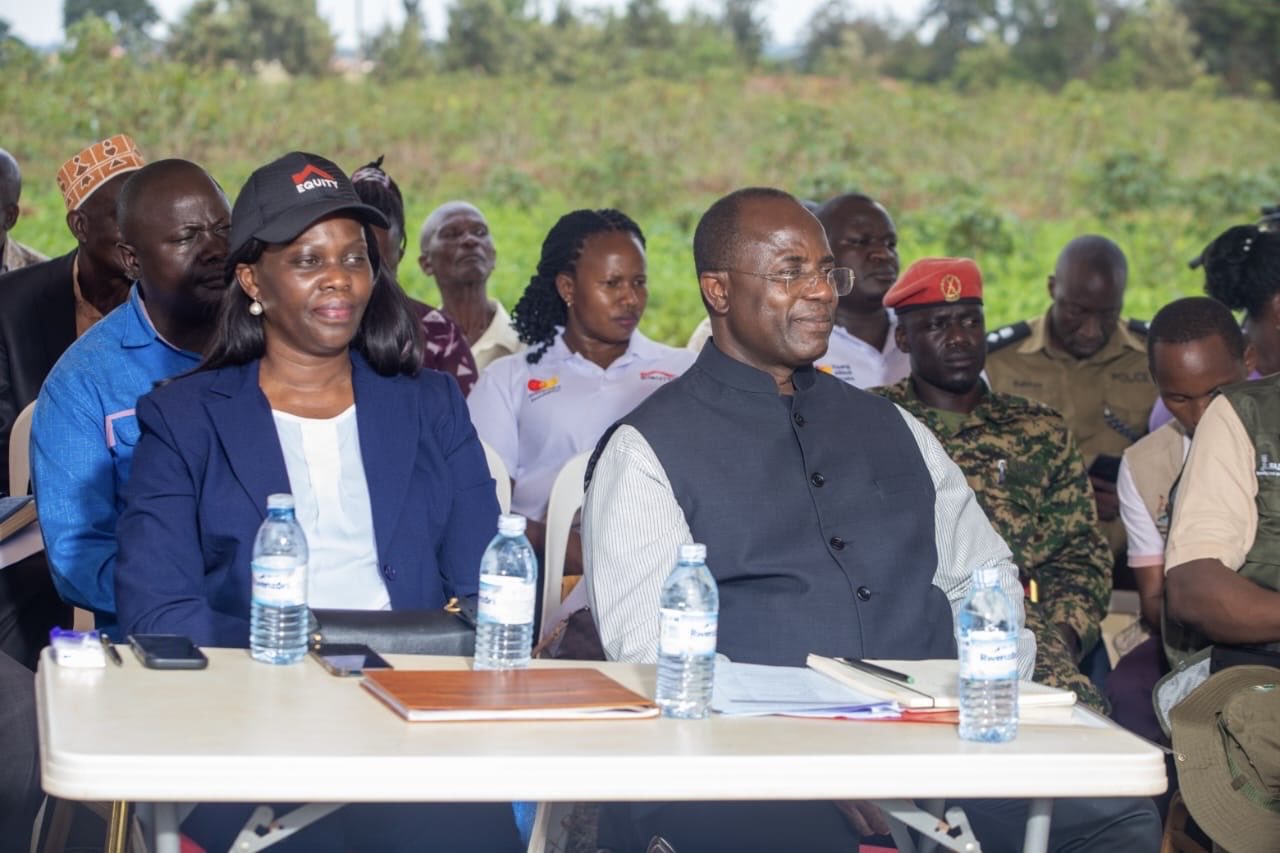
“This initiative will significantly transform the lives of the people of Busoga, lifting them out of the chronic poverty that has affected them for so long,” Kyakulaga stated.
Under the project, the Government of Uganda appointed Equity Bank as the official fund manager, responsible for disbursing and monitoring project funds. The bank will also provide financial literacy, agribusiness training, and investment support to ensure beneficiaries use the funds effectively.
Catherine Psomgen, Equity Bank’s Director for Public Sector and Social Investment, said the partnership was designed to eliminate barriers that have historically hindered smallholder farmers’ success.
“Through agriculture, we are addressing critical issues such as access to inputs, finance, and markets,” Psomgen explained. “By supporting these areas, we foster socio-economic transformation not only for individual households but for the economy as a whole.”
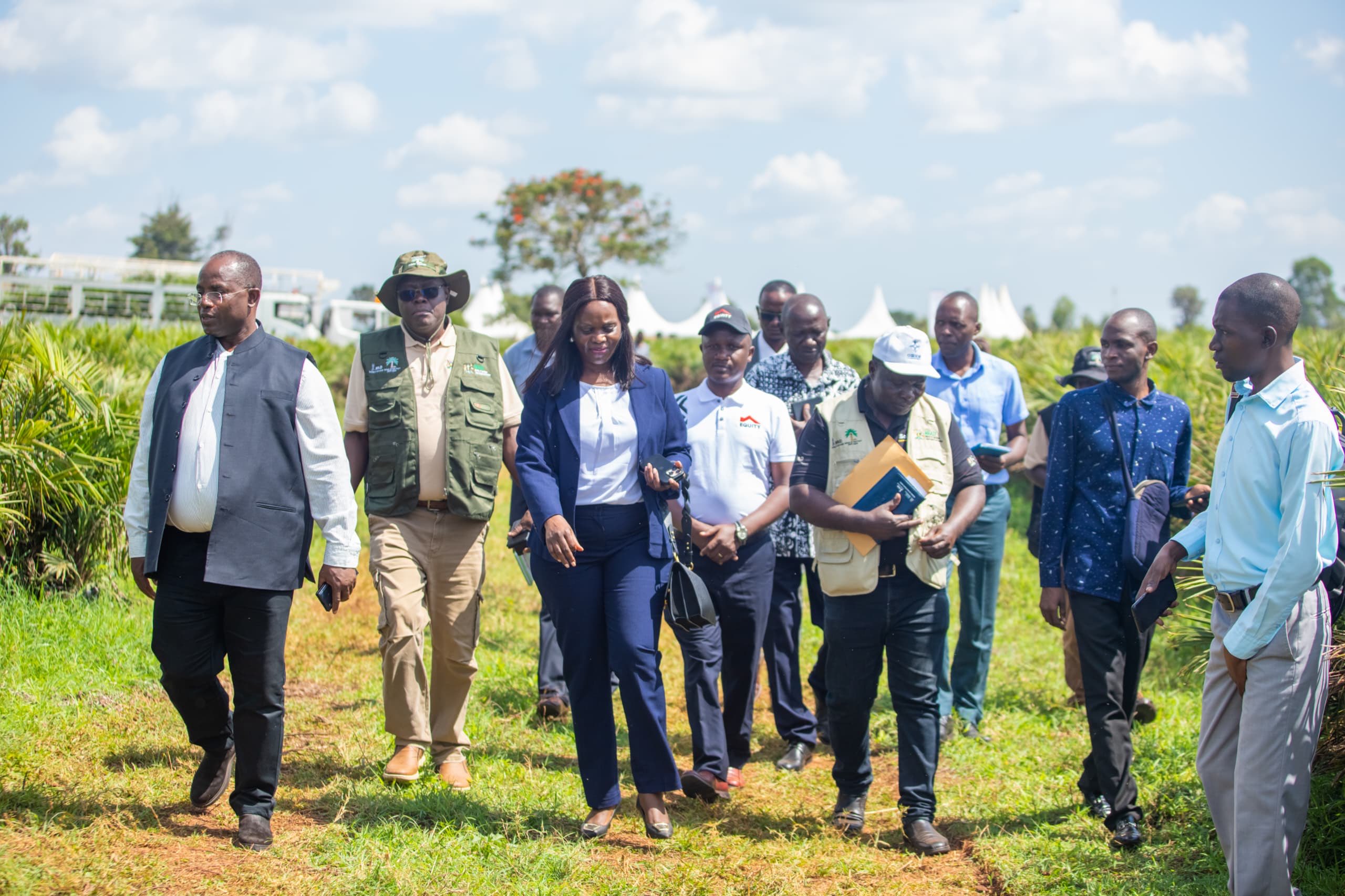
To ensure sustainability, loans are being offered at a 10 percent interest rate, far below the market average of 21 percent. Each qualifying farmer or farmer group must have at least five hectares of land, with each receiving up to Shs25 million. Those with smaller plots receive proportional support.
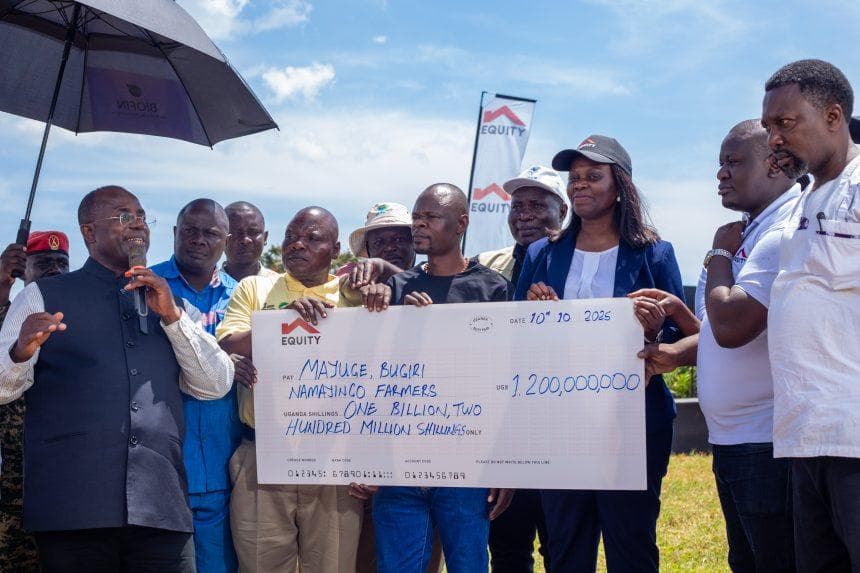
So far, 896 farmers from the districts of Buvuma, Mayuge, Bugiri, and Namayingo have benefited, receiving a total of Shs1.2 billion in funding. The second phase will extend the initiative to Kamuli, Iganga, Jinja City, Bugweri, Namutumba, Luuka, and Kaliro next year.
However, Psomgen clarified that not all funds are given directly to farmers.
“The ministry has designated suppliers who are directly paid to deliver pesticides and fertilizers,” she said.
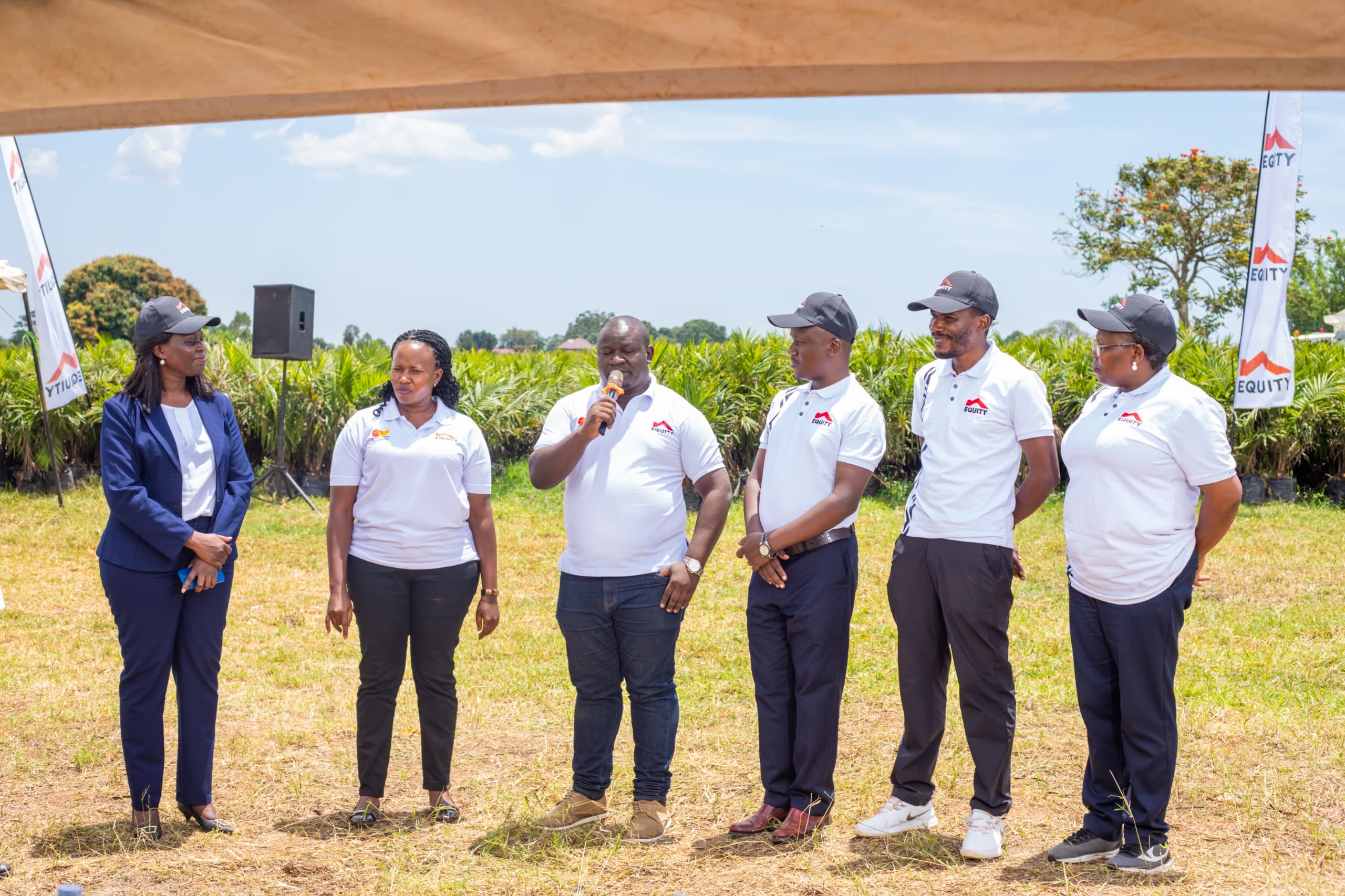
In addition to funding, beneficiaries are trained in modern planting techniques, including proper land preparation, seedling care, and farm management. The seedlings mature within 18 months, after which farmers can begin harvesting.
According to Kyakulaga, Uganda’s strong domestic demand for palm oil, soap, and cosmetics guarantees a ready market for the produce.
“At harvest, each farmer is projected to earn approximately Shs2.5 million per month for 25 to 30 years,” he said. “This project provides a sustainable solution to poverty and unemployment in Busoga.”
Equity Bank has also deployed modern digital banking systems to track transactions, verify beneficiaries, and ensure transparency.
The initiative has already begun reshaping communities, with farmers expressing optimism about improved livelihoods and long-term financial independence. For Busoga—a region often cited for its poverty indicators—the oil palm project marks a turning point toward shared prosperity driven by agriculture, financial inclusion, and government-private sector collaboration.