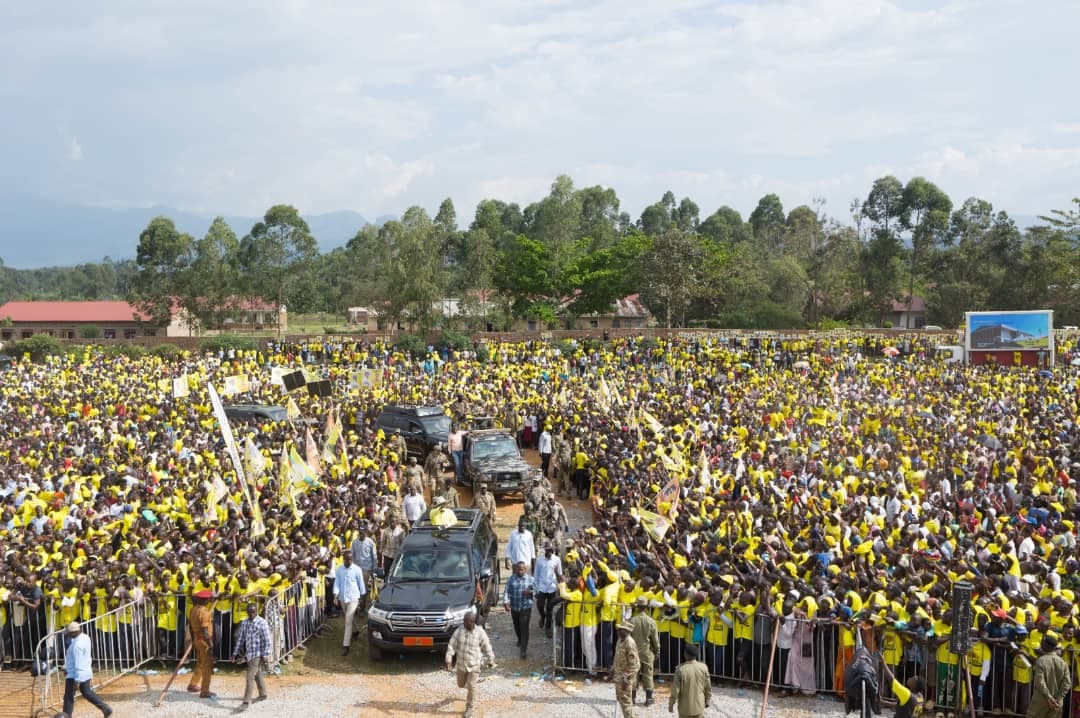
When Yoweri Kaguta Museveni first stood on the hilly grounds of Sironko, the crowd of cheering Bamasaba carried more than excitement, they carried questions about how far their region had come. Amid chants of “Mulembe Bamasaba!” the President smiled, recalling a time when Mbale was only a trading centre, not the bustling industrial hub it is today.
As of 2025, the transformation of Mbale is visible in the steady hum of machines at the Mbale Industrial Park, a place Museveni says was born out of deliberate effort, not controversy.
During his campaign stop in Sironko District, the National Resistance Movement (NRM) presidential flagbearer defended his acquisition of the land where the industrial park sits, dismissing claims that it was grabbed from locals. He explained that the land had been tied up in a failed loan arrangement before he intervened.
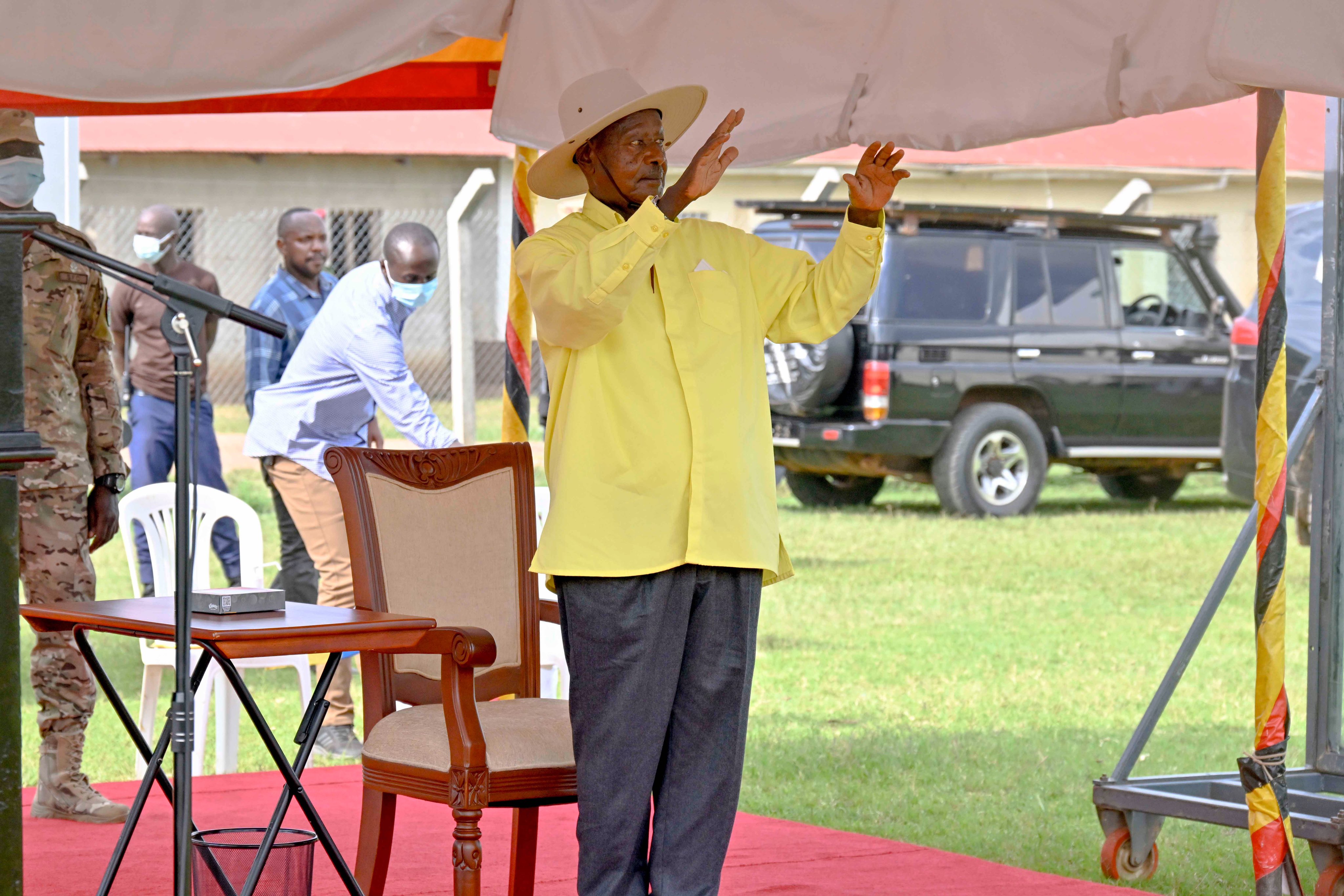
“Nandala Mafabi was running Bugisu Cooperative Union and they got loans from an American. The American wanted to confiscate the land and I bought it,” Museveni said. “When the Chinese came, I gave them that land to establish an industrial park. Now see how they have transformed the place into a town.”
That transformation, he argued, represents the NRM’s broader vision of turning small towns into production hubs. The industrial park in Mbale now hosts several factories manufacturing goods that were once imported,a shift Museveni described as the hallmark of “NRM-born development.”
“That town where the industrial park sits was born by the NRM, and no one should ever claim otherwise,” he emphasized.
Museveni’s speech in Sironko marked the launch of his campaign trail in Bugisu after completing his rallies Teso. His campaign theme, “Protecting the Gains as We Make a Qualitative Leap into High Middle-Income Status,” reflects his focus on consolidating peace and infrastructure-led growth.
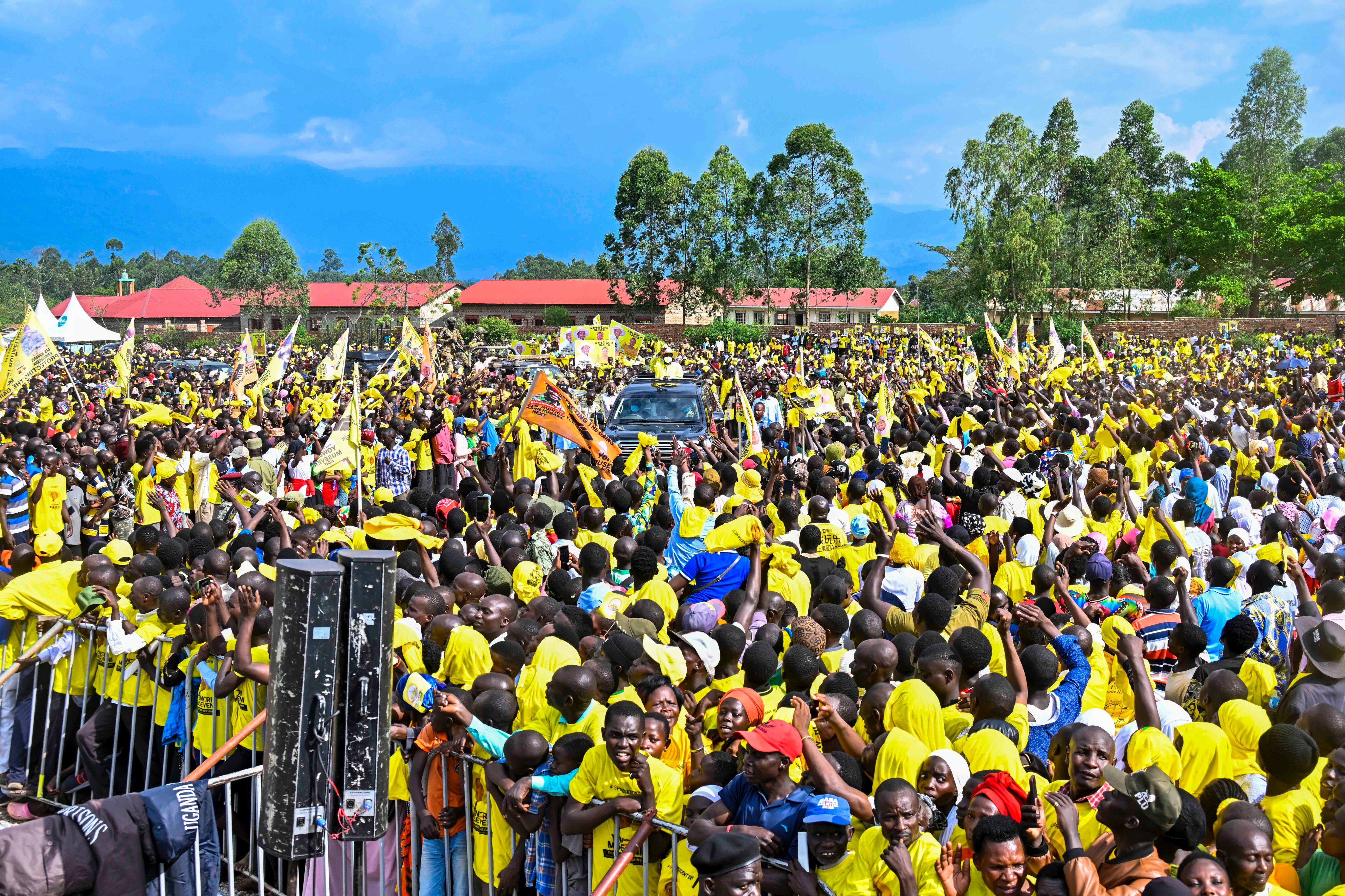
The President used the rally to showcase tangible progress. He pointed to roads such as Mbale–Kapchorwa–Karamoja and Bumbobi–Lwakhaka as vital links that have opened up trade across eastern Uganda. He also announced plans to tarmac the Namagumba–Budadiri–Nalugugu road to further connect remote areas.
Water access, too, has improved significantly. Out of 1,543 rural villages in Sironko, 1,374 now have safe water. Twenty-four piped water systems currently serve communities like Mutufu, Buteza, and Buginyanya, with plans to expand coverage and launch the flagship Nasumati Piped Water Supply and Sanitation System.
About education, Museveni admitted gaps but pledged more schools for underserved parishes. Currently, Sironko has 111 government primary schools serving nearly 99,000 pupils, and 12 secondary schools accommodating over 10,000 students. He promised to build three new secondary seed schools and ensure that every parish has a government primary school.
Healthcare remains another priority. The district has two Health Centre IVs and 18 Health Centre IIIs, but 22 sub-counties still lack facilities of HCIII level or higher. Museveni said government plans to upgrade several health centres and build new ones in areas like Bubbeza, Buyaya, and Bugusege.
He also highlighted government efforts to improve immunization, malaria control, and medical equipment supply across rural facilities.
For agriculture, Museveni credited government-backed research at Kawanda for boosting coffee and banana productivity, calling it a model for rural transformation.
“We have modernized coffee production, improved quality and productivity, and prices have risen due to global market forces. These are achievements of the NRM, not of individuals,” he said.
The Parish Development Model (PDM) and Emyooga programmes have injected capital into local enterprises. Sironko’s 224 parishes have received nearly Shs 69 billion, benefiting over 66,000 households, while 36 Emyooga SACCOs have distributed Shs 1.54 billion to small-scale entrepreneurs.
Museveni also spoke proudly about the Bugisu Presidential Industrial Hub in Mbale, where over 1,100 youth have been trained in practical skills like welding, tailoring, and hairdressing. “These hubs are creating a generation of job creators, not job seekers,” he said.
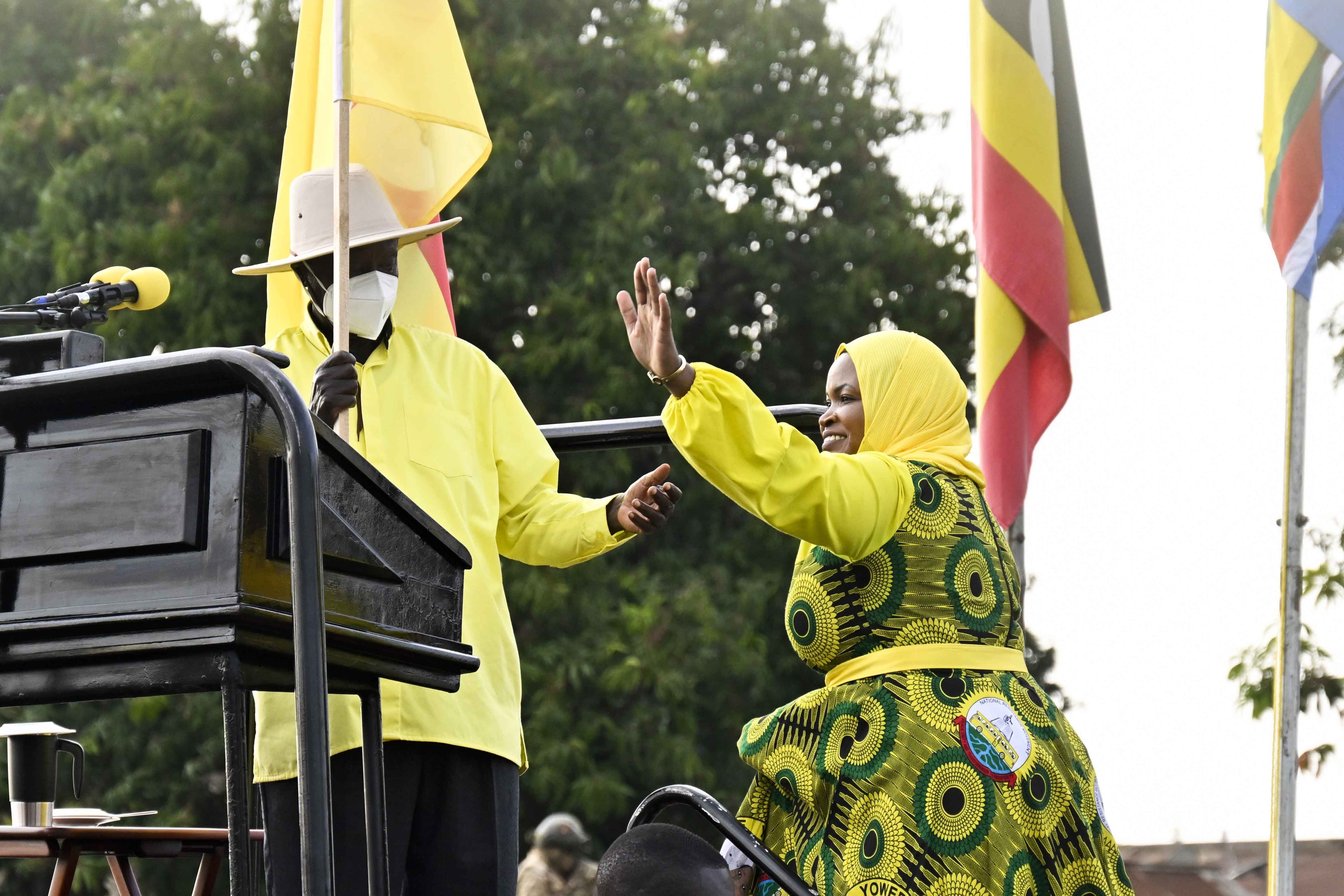
During the rally, he handed over NRM flags to local candidates, urging residents to vote for the party’s flag bearers in all positions. “Peace was not easy to achieve,” he reminded the crowd. “All the development you see in Sironko today has been brought by the NRM.”
Sironko District NRM Chairperson, Lumolo Mafabi, thanked the President for his continued focus on the region and requested that the district hospital be upgraded to handle the growing population’s health needs.
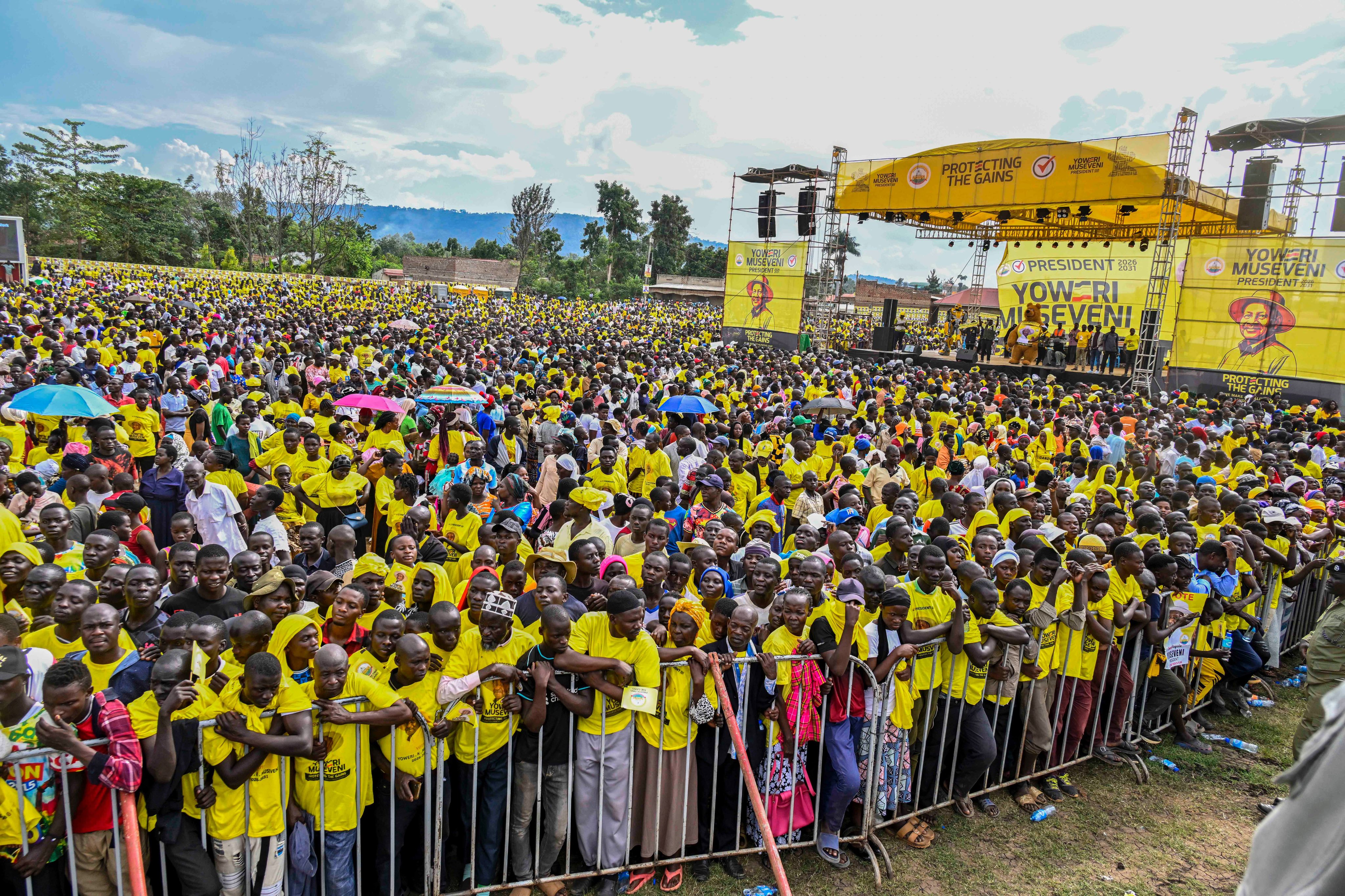
The event drew NRM Central Executive Committee members, Ministers, MPs, and thousands of supporters who filled the grounds, waving yellow flags and singing victory songs as Museveni launched his Bugisu campaign with characteristic energy and conviction.
From peace to progress, the story of Mbale’s rise, as told by the President himself is one of transformation, industrial ambition, and the enduring promise of a government determined to leave no region behind.