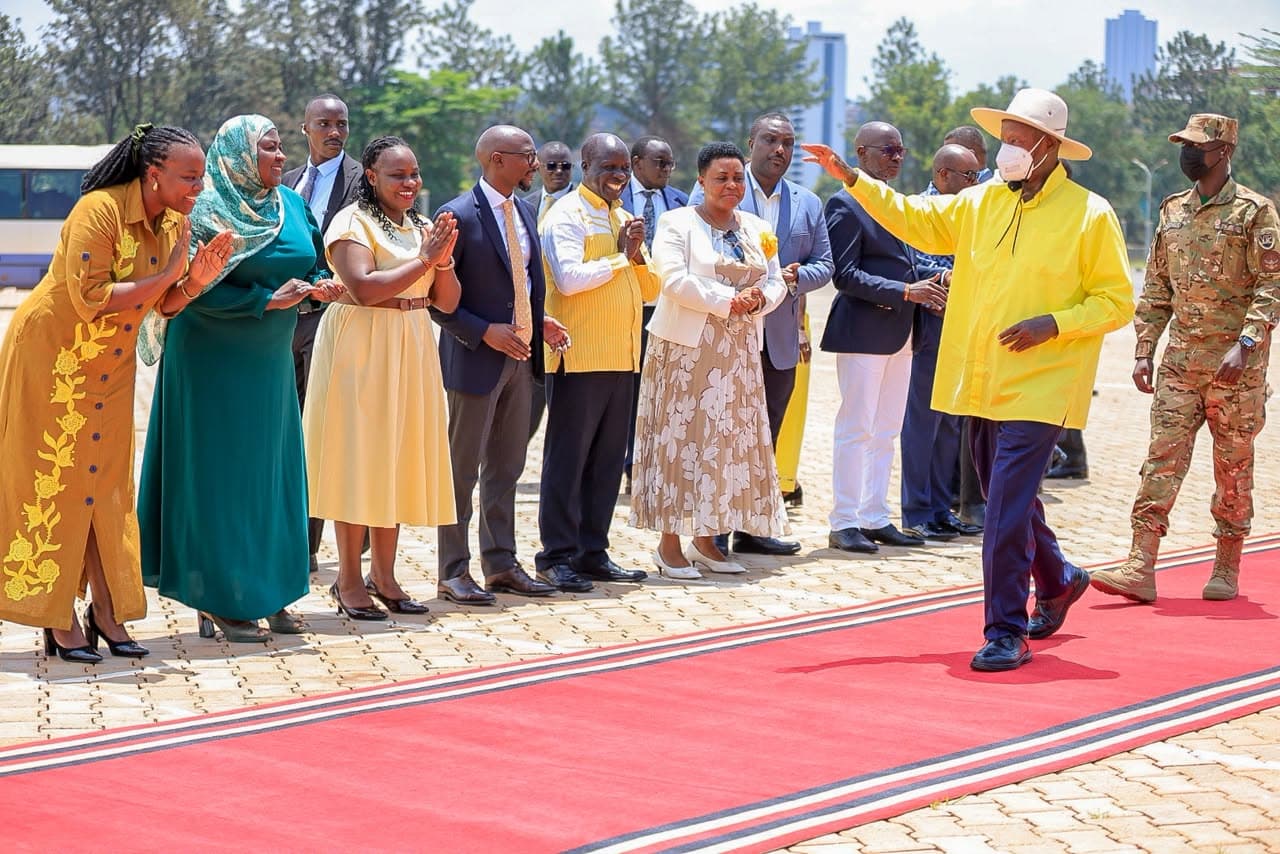

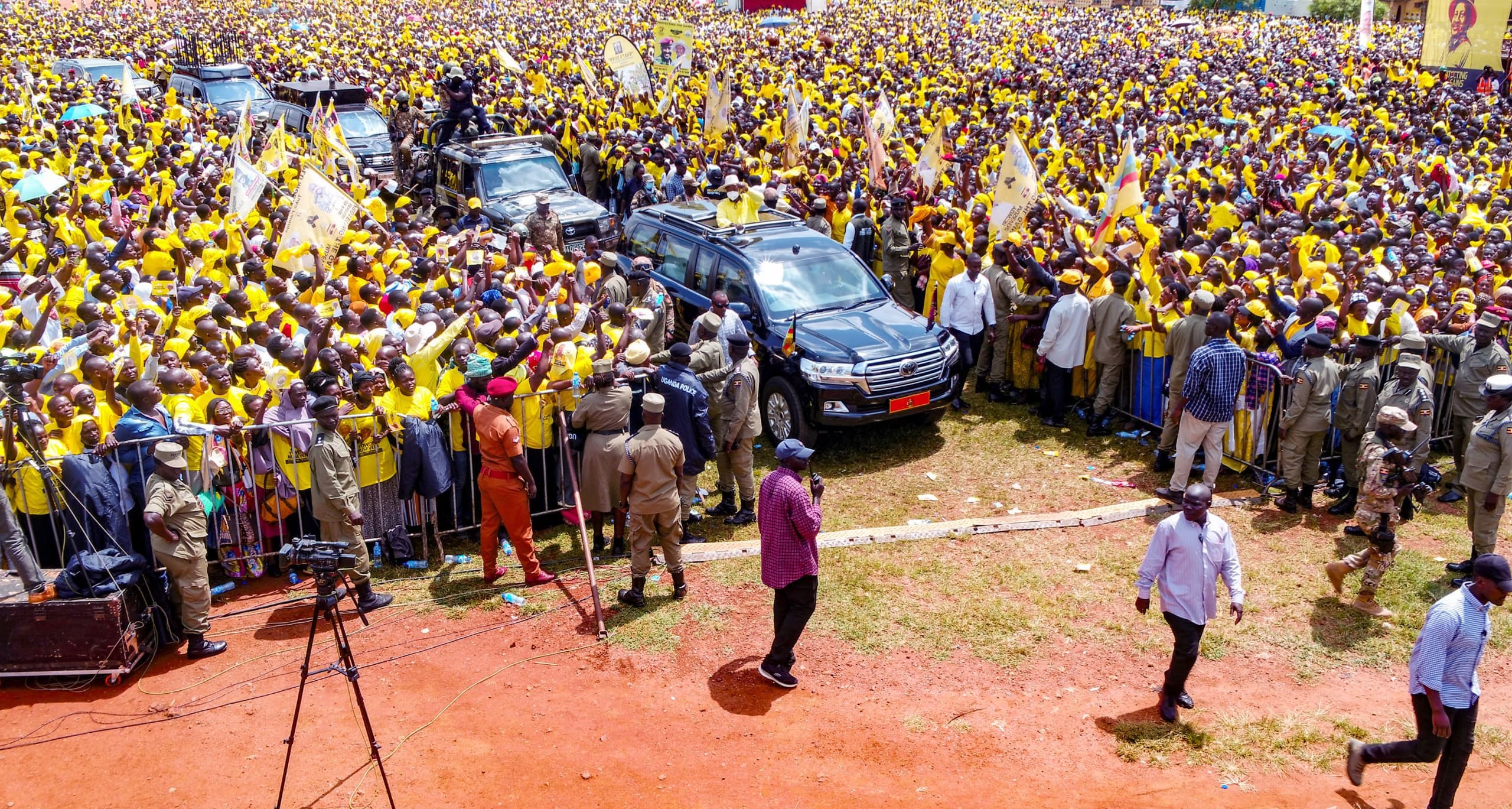
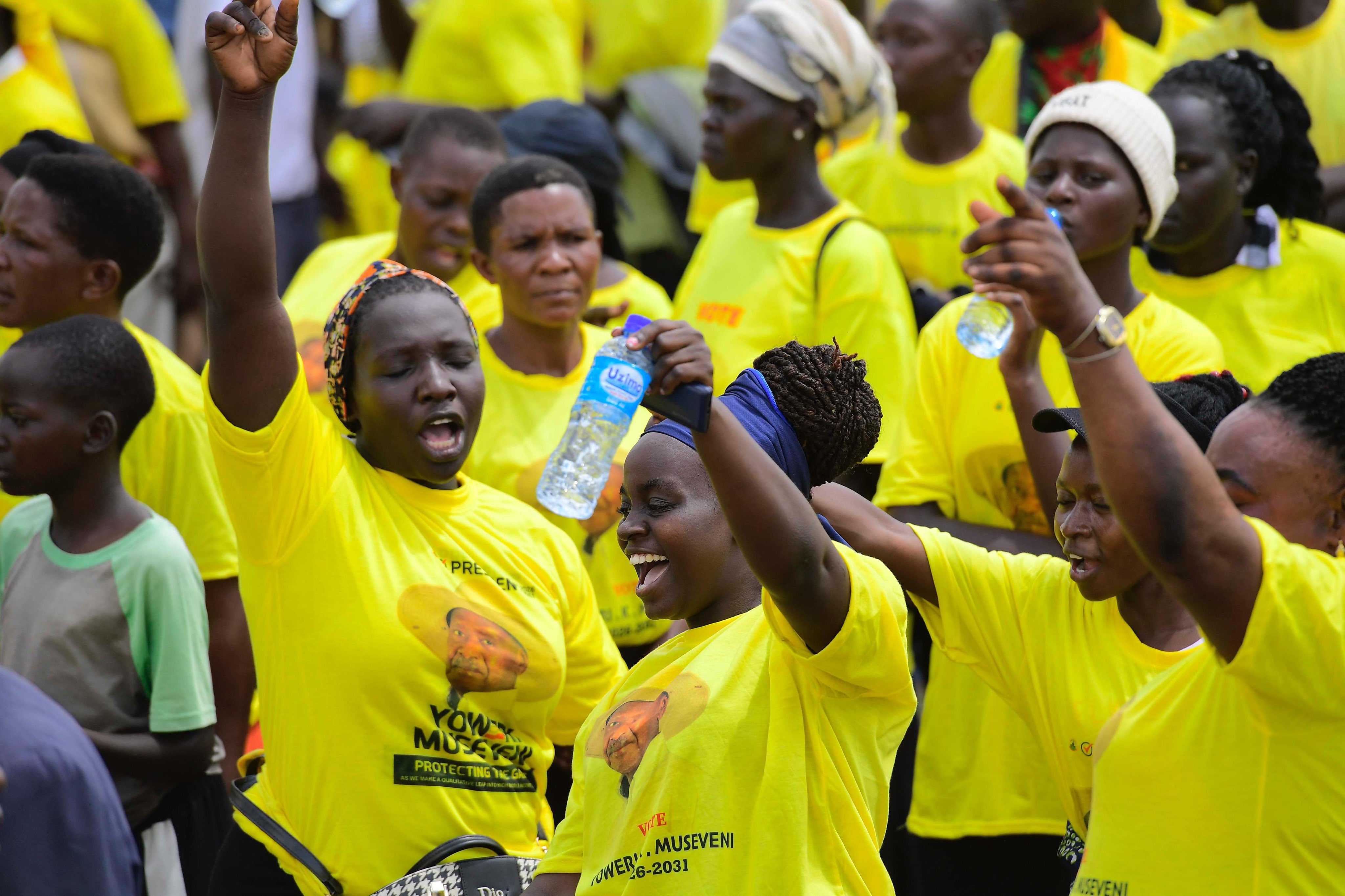
The sun hung low over Mbale City as drums rolled and yellow flags fluttered across the packed grounds. For many, it was not just another campaign stop, it was a homecoming of progress. As President Yoweri Kaguta Museveni wrapped up his tour of Bugisu Sub-region, he left residents with one message: guard the peace, deepen the wealth.
Over the years, Bugisu’s landscape has changed. New roads cut through the hills, power lines snake across valleys, schools and markets buzz with life. The President said these are not coincidences but deliberate outcomes of the National Resistance Movement’s (NRM) development agenda.
“We have brought peace and stability because we reject sectarianism,” President Museveni said. “When you stop dividing people by tribe or religion, you build unity and from unity comes development.”
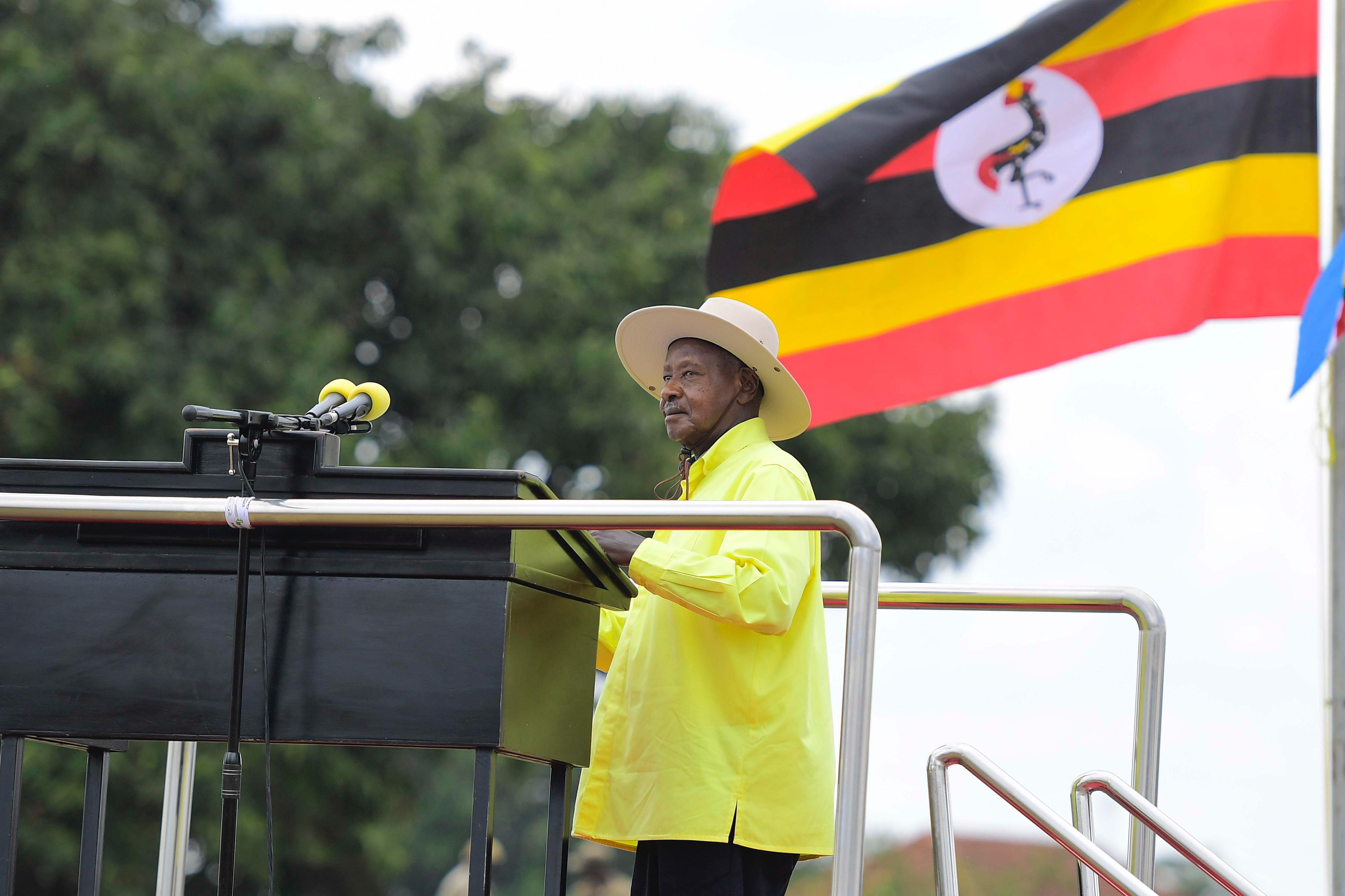
From his podium in Mbale City, Museveni spoke with the confidence of a man tallying decades of work. He listed key NRM achievements in the region, from modern roads and electricity to skilling hubs and irrigation schemes that have reshaped livelihoods.
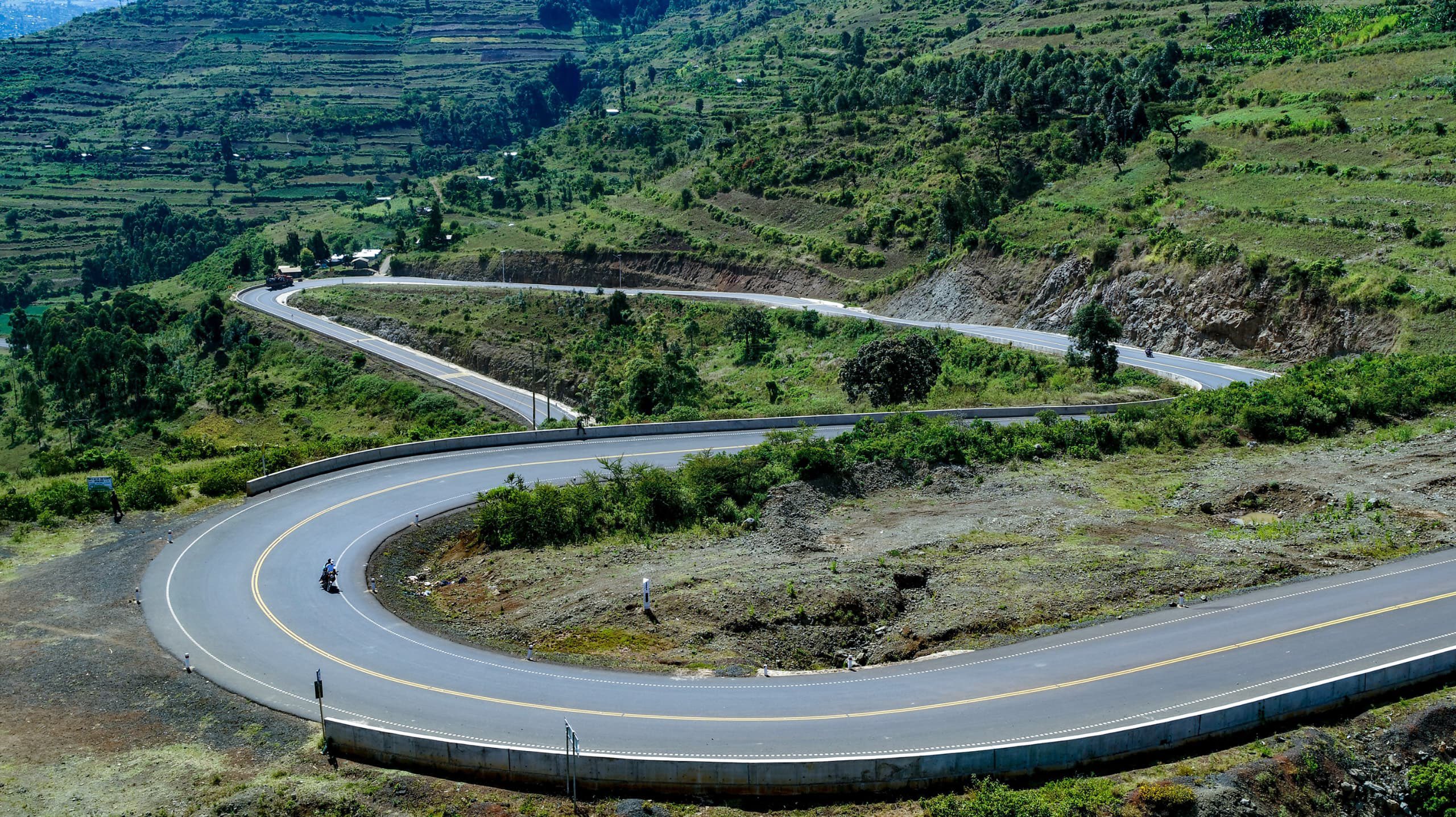
The government’s investment in road infrastructure stands out among Bugisu’s success stories. Major projects such as the Mbale to Soroti, Mbale to Budaka, and Mbale to Bubulo to Bugobero roads have been completed, while new works are under way on the Mbale to Magale to Namisindwa stretch. Planned routes like the Mbale to Nkonkonjeru and Butaleja roads will further link farmers to trade centers.
“These roads are lifelines for trade,” Museveni said. “They make it easier for farmers to take their coffee and bananas to markets.”
Beyond tarmac, a revival is unfolding on the rails. The Tororo to Mbale to Gulu to Pakwach railway is being rehabilitated to lower transport costs and boost business between Eastern and Northern Uganda.
In a region once shadowed by poverty, the story is now one of transformation. Rural electrification has reached most trading centers, enabling small industries to thrive. Access to safe water now covers nearly 80 percent of Mbale’s villages, with piped systems serving both rural and urban communities.
But Museveni’s message went beyond infrastructure. He emphasized mindset change and household wealth creation, urging families to move from subsistence to commercial production through government programmes such as the Parish Development Model (PDM) and Emyooga.
“Development is ours, but wealth is yours,” he reminded the crowd. “We have built the infrastructure; now use it to create wealth.”
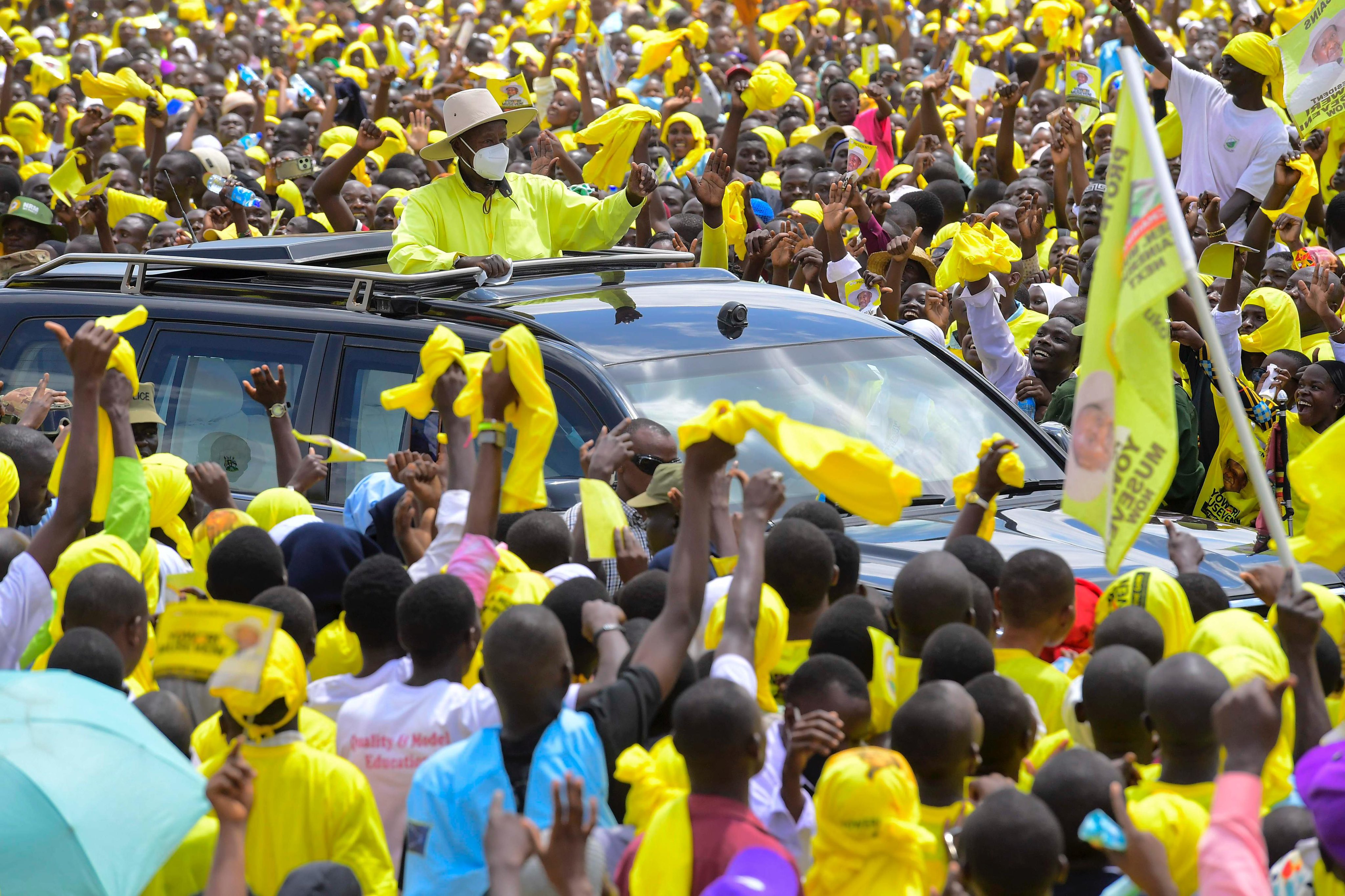
The President revealed that every parish will receive an additional Shs15 million to strengthen local enterprises, while new funds will support religious institutions, unemployed graduates, and ghetto youth. He said the upcoming Mbale Industrial Park will create jobs in manufacturing and services, further absorbing young people into the money economy.
Agriculture remains central to the transformation agenda. Solar-powered irrigation projects such as Namatala, Nakusi, and the Wabukhasa Valley Tank are already serving thousands of farmers, helping the region move away from rain-fed farming.
Museveni also highlighted education as a cornerstone of long-term development. Mbale now boasts 21 government secondary schools, a leap from just a handful before 1986. A regional skilling hub is being established to train youth in carpentry, metalwork, tailoring, and mechanics.
“In these hubs, we train young people for six months and they become useful to society,” Museveni said. “They produce goods we used to import from Italy and China.”
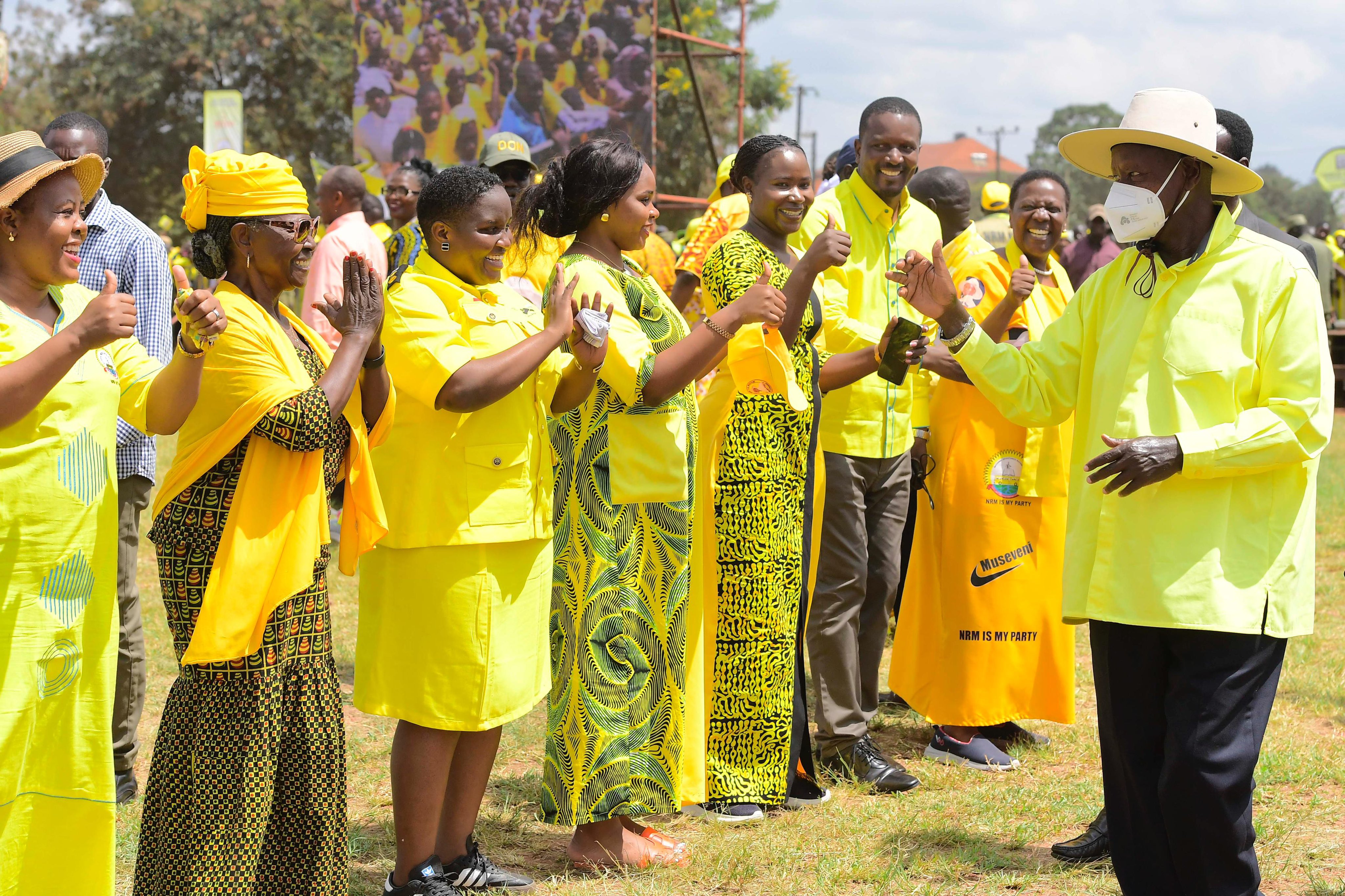
Local leaders echoed the President’s message, praising the NRM’s consistent focus on Bugisu’s growth.
NRM Vice Chairperson for Eastern Region Calvin Echodu thanked the President for “translating policy into tangible development,” while Mbale District NRM Chairperson Moses Wambogo said improved infrastructure had “opened new opportunities for farmers and traders.”
As the sun dipped behind Wanale Hills, the message remained clear: Bugisu’s future depends on unity, peace, and productivity. Museveni’s visit may have ended, but for the people of Mbale, the next phase of work has only just begun, turning development into shared prosperity.