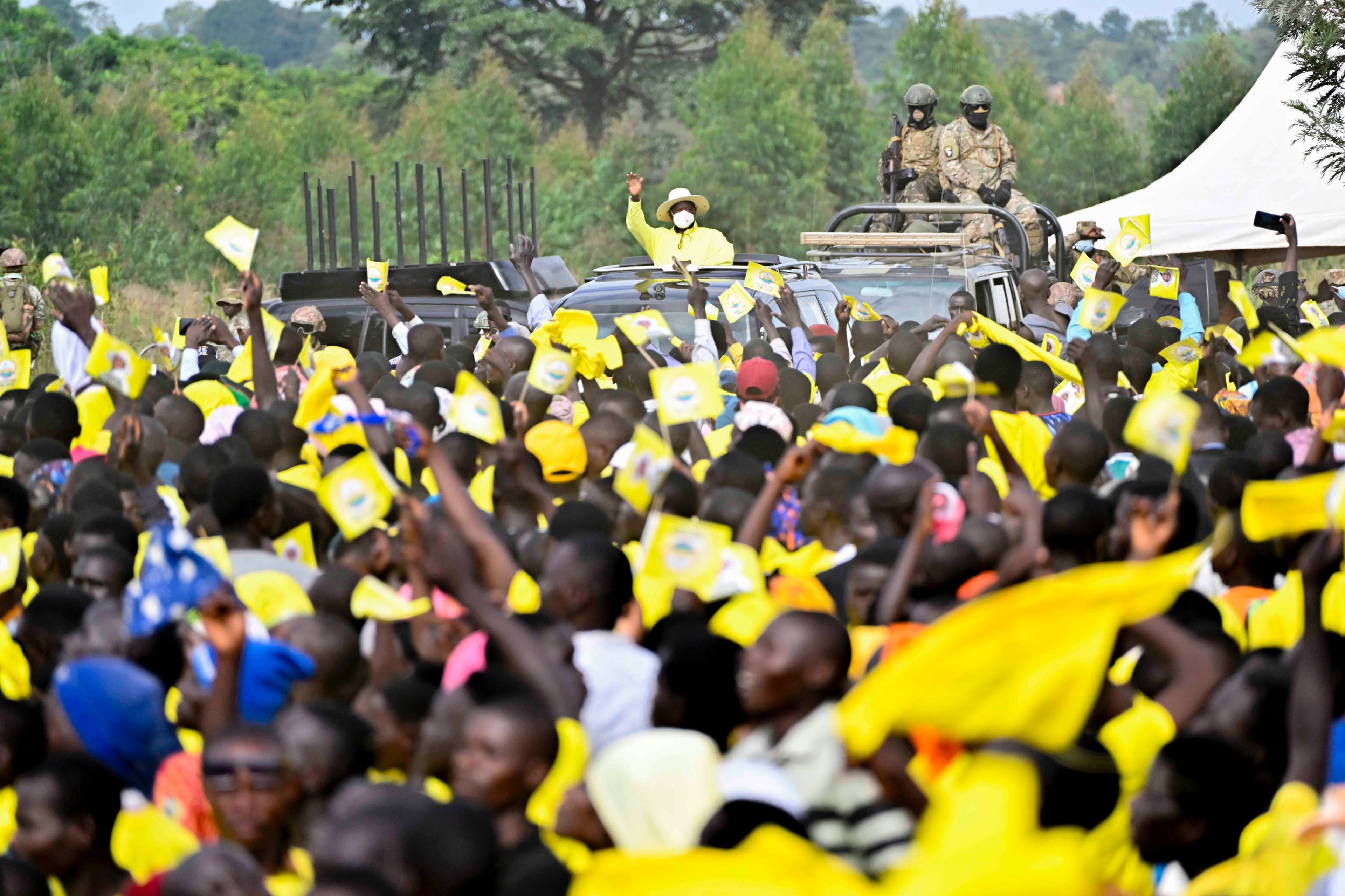
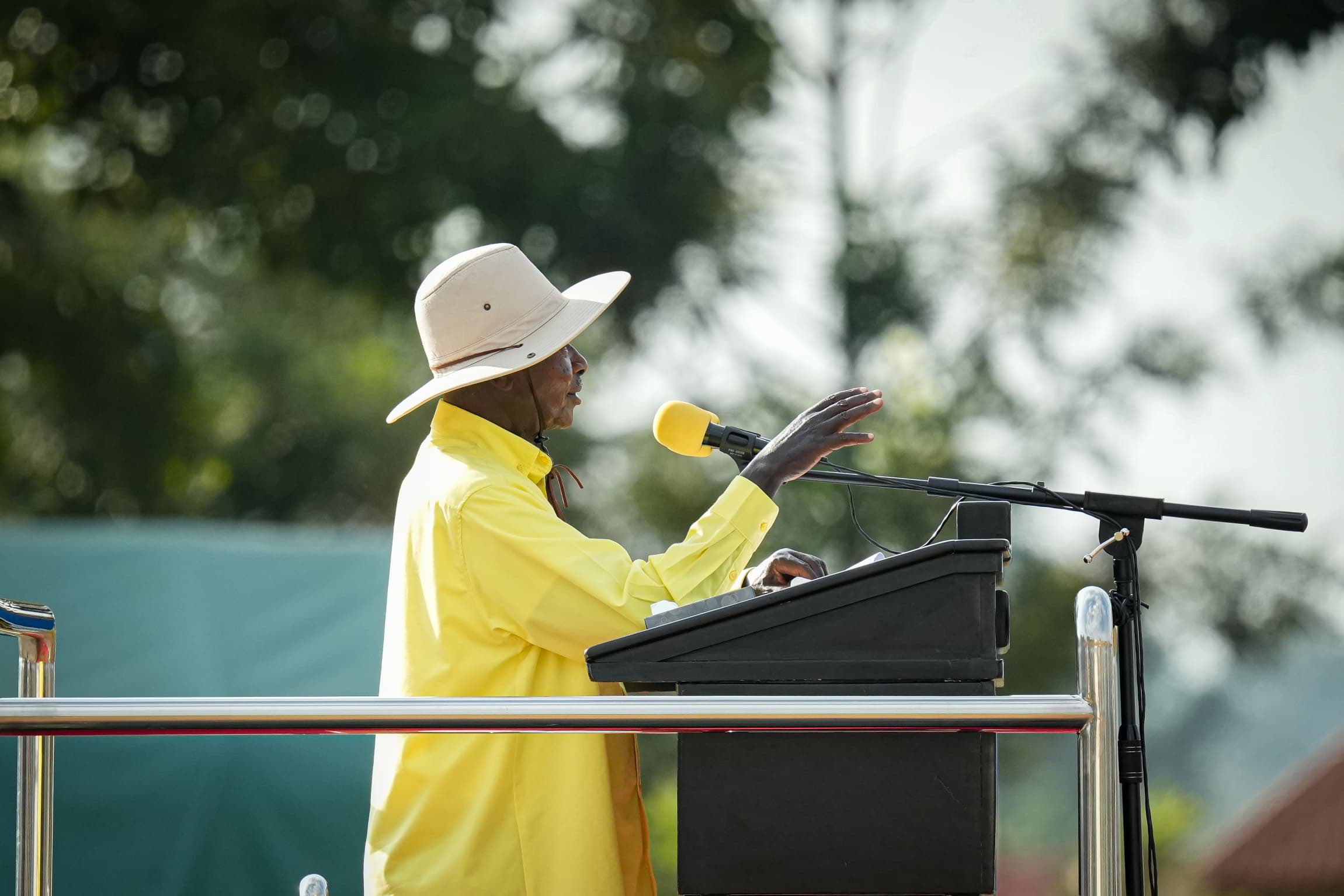
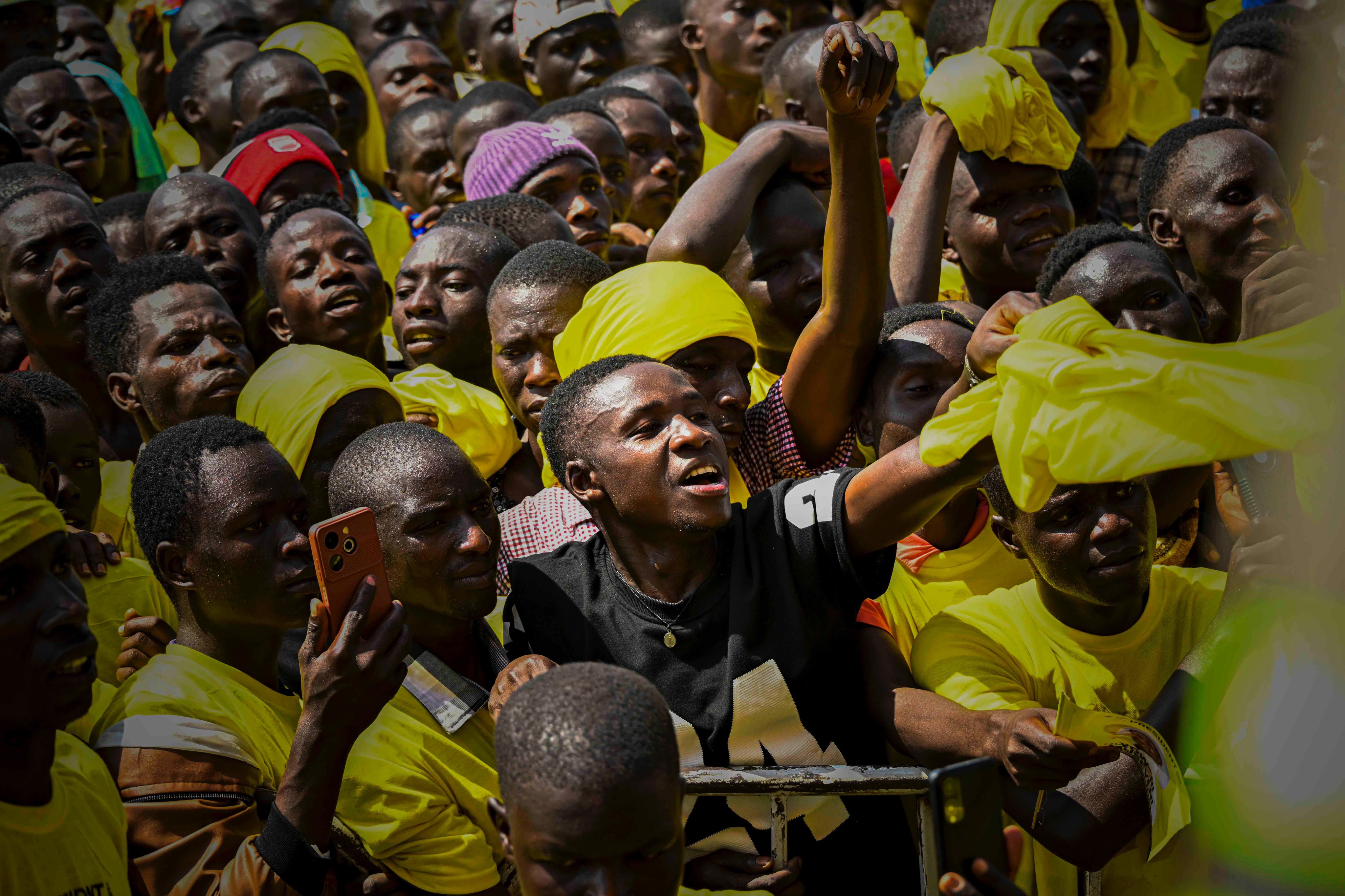
As the crowd roared with chants of “Jajja!” under the afternoon sun in Butebo District, President Yoweri Kaguta Museveni took to the podium with a message that blended nostalgia, hope, and reassurance. The National Resistance Movement (NRM) presidential flag bearer had come not only to campaign, but to promise restoration.
The President announced that Pallisa and Butebo districts would be added to Uganda’s livestock restocking programme, a move aimed at rebuilding the herds lost during years of cattle rustling and insurgency in eastern and northern Uganda.
“Parts of Pallisa and Butebo were badly affected by cattle rustling,” Museveni said. “We will ensure the sub-counties that suffered are included in the restocking programme. This is the first contribution towards rebuilding your livestock.”
Each eligible household under the programme will receive five cows, a gesture the President described as both symbolic and practical, signaling recovery and the return of livelihoods that once defined the region’s economic identity.
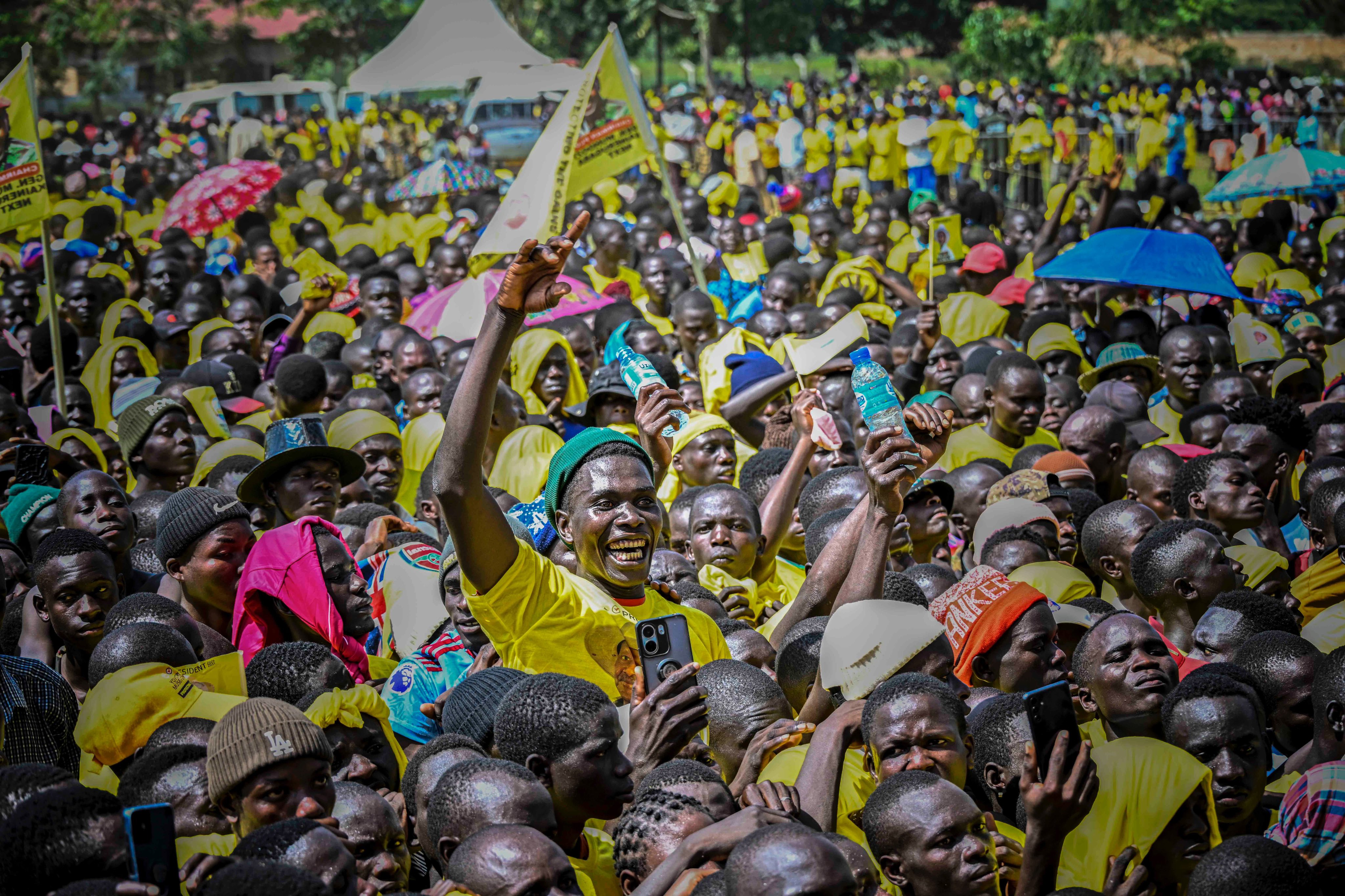
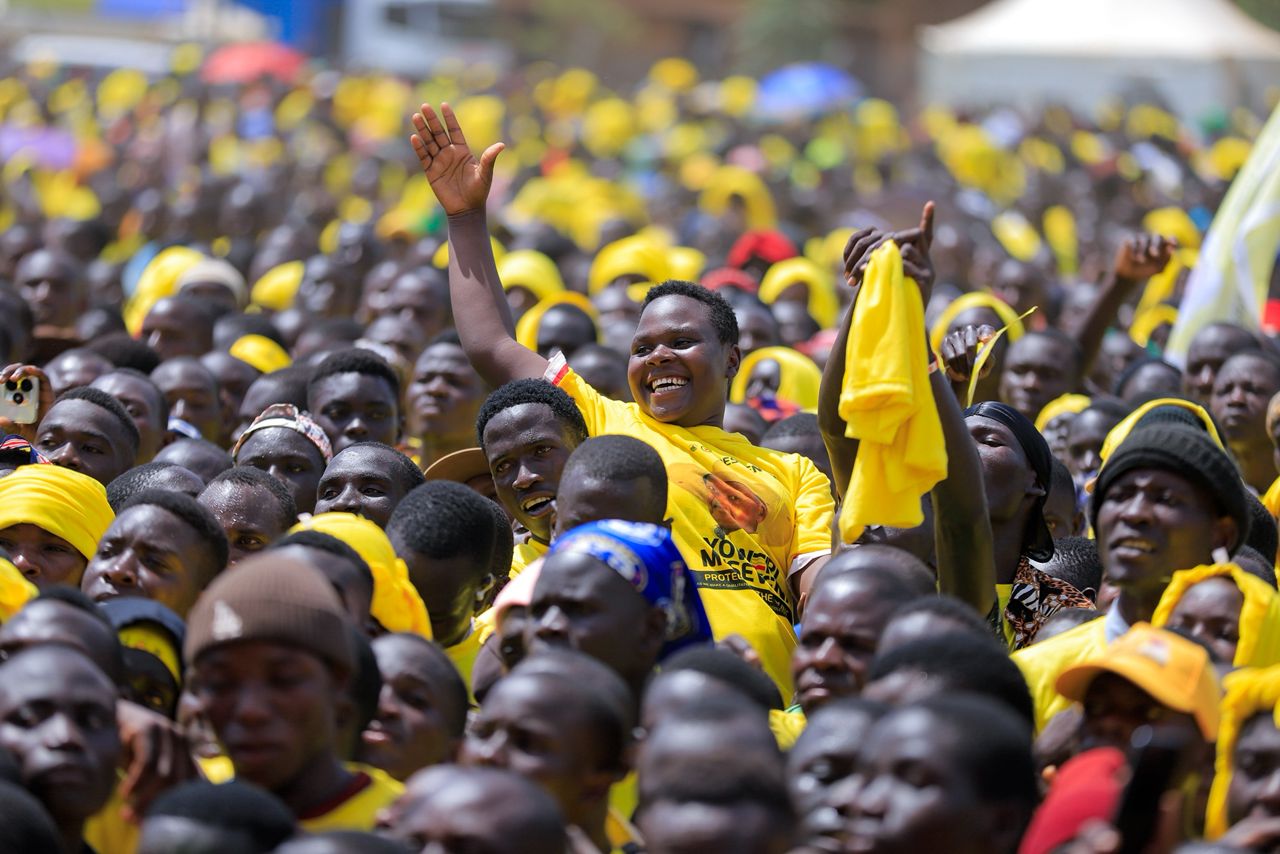
Museveni was accompanied by senior NRM officials as he addressed thousands of supporters in a sea of yellow.
Connecting Communities Through Roads
Shifting to infrastructure, the President admitted surprise upon learning that Butebo still lacked a tarmac road.
“I didn’t know that Butebo did not have a tarmac road,” he said. “I thought the road from Pallisa to Kamonkoli passed through here. Now that I know it doesn’t, we shall work on the road connecting Pallisa, Butebo, and Nakaloke.”
He also outlined several ongoing and planned projects, including bridges at Nabukhaya, Nambola, Nametsimeri, Sahana, and Khamitsaru, as well as the Nabumali–Butaleja–Namutumba and Tororo–Nagongera–Busolwe roads.
Museveni praised local leaders for maintaining marram roads, contrasting their performance with districts that “just eat the money.”
“I landed by helicopter and traveled on very good roads. This shows the people of Butebo are serious about development,” he said.
He further pledged to upgrade sub-county headquarters and reaffirmed his government’s commitment to connect all districts with tarmac roads as part of the NRM’s long-term infrastructure plan.
Expanding Water, Health, and Education Access
The President also highlighted steady progress in water coverage, revealing that 233 of Butebo’s 268 villages, about 87% already have access to safe water.
He promised to expand piped water systems in Petete and Nasurete and to complete irrigation schemes such as the Manyowe Solar-Powered project, which will support farmers during dry seasons. Ongoing feasibility studies, he said, would soon deliver two large-scale projects: the Kabelai Surface Water Reservoir and the Akisim Medium-Scale Irrigation Scheme, both serving Butebo, Pallisa, and Kumi.
Museveni reaffirmed government plans to upgrade and construct new health centres to ensure at least one HCIII per sub-county, adding that access to health care remains central to his 2026–2031 manifesto.
On education, the President expressed satisfaction that Butebo now has five government secondary schools, describing the progress as “remarkable” compared to the early 1960s when Uganda had only a few A-level institutions.
“When I look at the schools and health centres here, I see a country that has moved forward,” he said. “Our next task is to ensure these facilities translate into real transformation for every household.”
Community Endorsements
Butebo District currently benefits from Shs. 18.5 billion in PDM funds distributed across 18,516 households in 61 parishes. The district also has 18 Emyooga SACCOs supported with Shs. 980 million from government.
Dr. Monica Musenero, Minister of Science, Technology and Innovation and NRM Chairperson for Butebo, described the visit as historic.
“This is the first time the President has campaigned here since Butebo became a district. Our people are ready to support you,” she said.
Museveni concluded by urging residents to safeguard peace, embrace government programs, and continue supporting NRM’s development agenda. He later handed over NRM flags to party candidates, symbolizing unity and continuity as the 2026 elections draw closer.