
On a cool Thursday morning in Kibuku Town Council, an elderly farmer leaned on his walking stick and told neighbours that peace had finally allowed him to “sleep without listening for footsteps in the night.” It was this simple reflection that President Yoweri Kaguta Museveni built on as he rallied thousands in Kibuku District, arguing that Uganda’s next leap depends on turning peace into shared prosperity.
President Museveni who is the National Resistance Movement flagbearer for the 2026 Uganda presidential elections addressed supporters at Kibuku Primary School, where he urged citizens to consolidate the stability gained under the National Resistance Movement and channel it into wealth creation. He said Uganda’s transformation requires a partnership between government infrastructure and individual enterprise.
“The first contribution is peace,” he said. “We have been able to defeat cattle rustling and other wars, and that’s why there is peace in the whole of Uganda.”
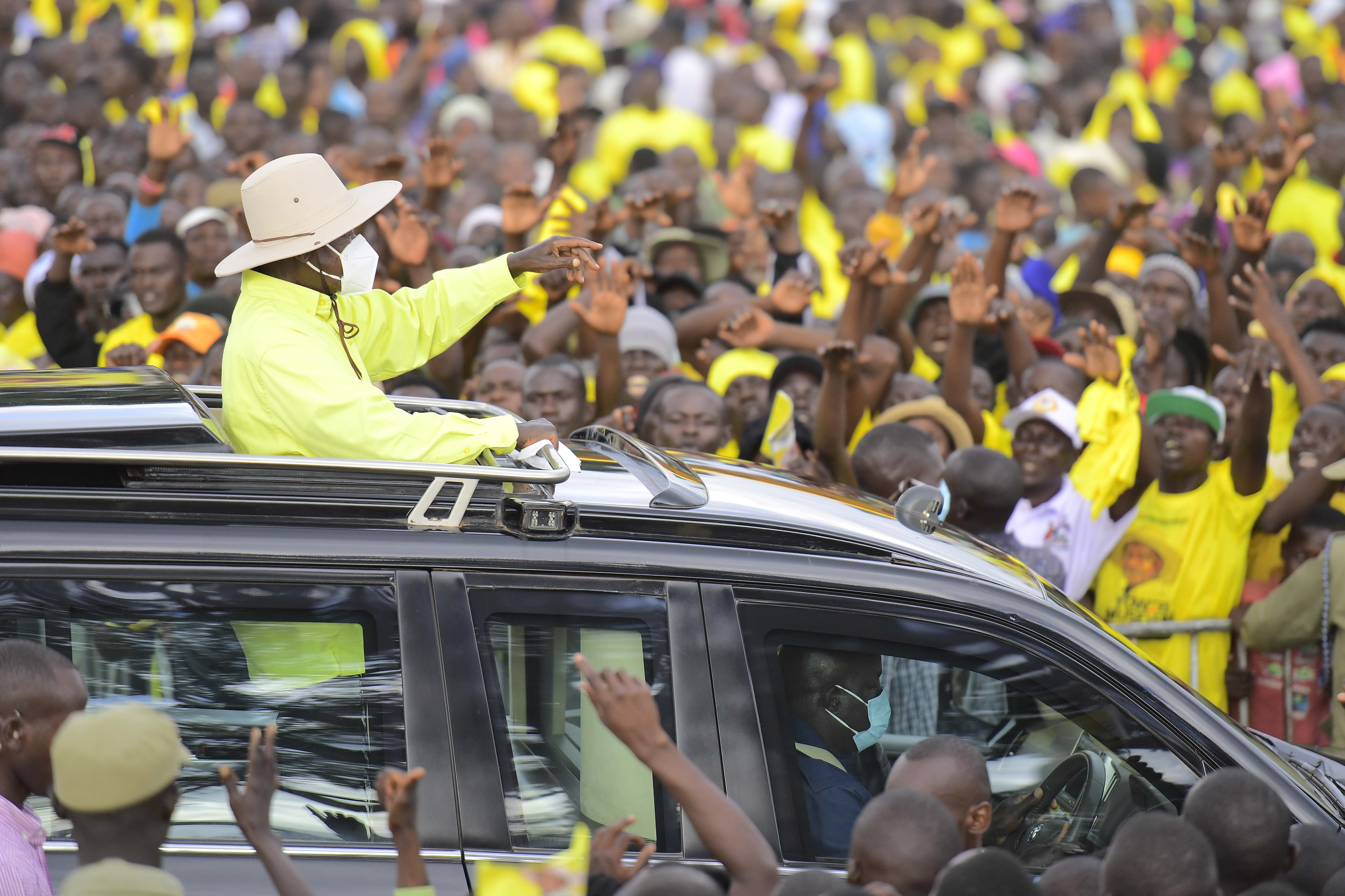
He explained that peace has enabled the government to stretch power lines, open new roads, build schools and establish hospitals in previously underserved communities. He said these investments are meant to bring services closer to the people and create an enabling environment for development.
President Museveni said the government’s education plan aims to ensure that every parish has a primary school and every sub-county has a secondary school. He noted that similar efforts are underway in the health sector to ensure that no sub-county remains without a government health facility.
“Here in Kibuku, our plan is to upgrade Nabiswa, Kituti and Nakodo Health Centres from HCII to HCIII,” he said.
He added that the government is upgrading Dodoi, Kenkebu, Nandere, Kalampete, Nankodo and Moru health centres to ensure full coverage of essential services.
He stressed that infrastructure becomes meaningful only when families embrace wealth creation. He explained that development alone cannot end poverty without individual effort.
“Development is good, but wealth is important because it is individual,” he said.
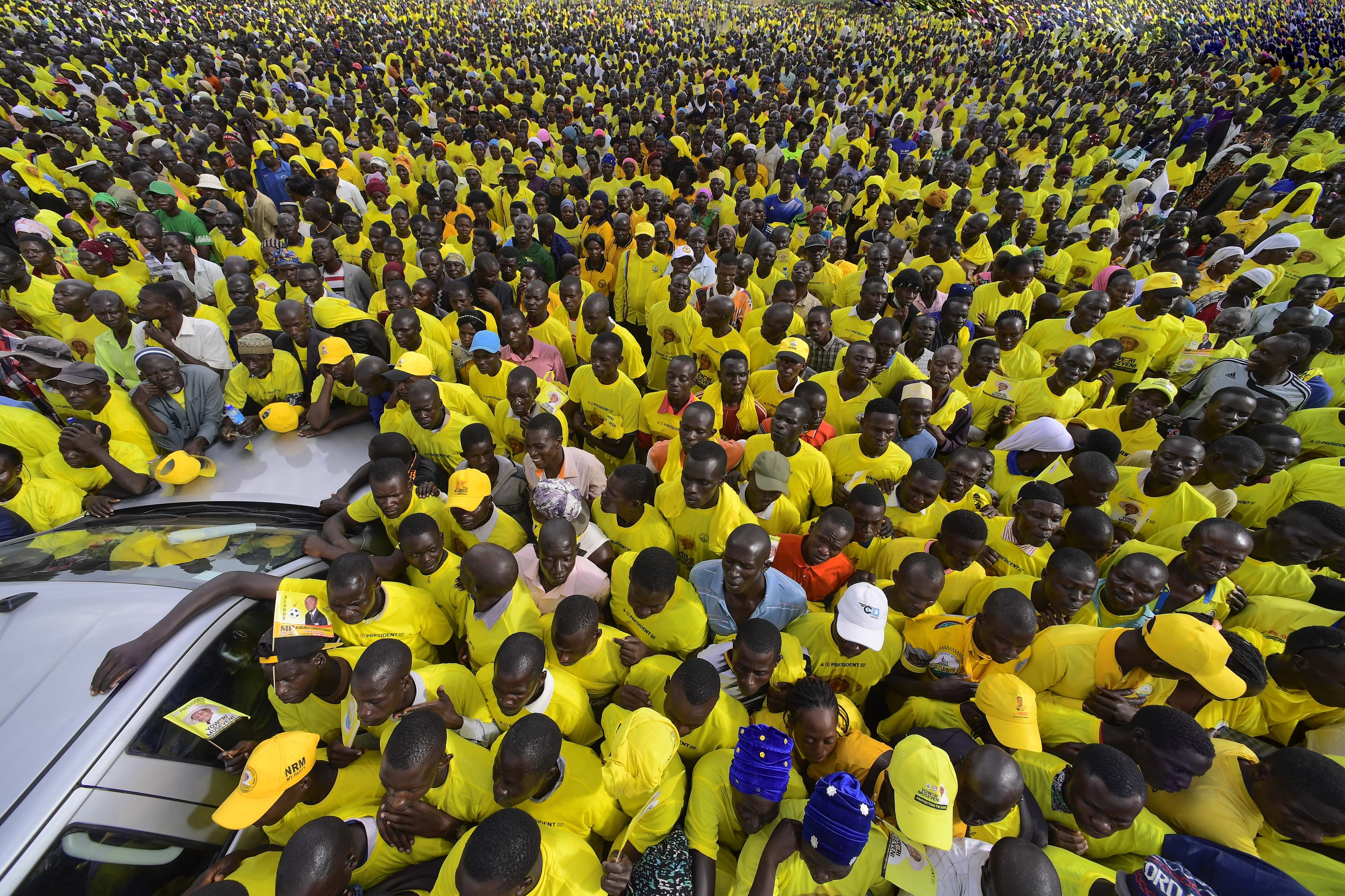
He reminded residents of the four-acre model, which encourages families to diversify farming into coffee, fruits, pasture and food crops while using backyards for poultry or pigs. He said those near wetlands can take up fish farming.
The President told local Parish Development Model leaders to ensure that all households join the money economy. He warned that poverty cannot be defeated through handouts but through production and enterprise.
“I want you to check how many people in your parish are still working for the stomach only,” he said. “I want everyone to join the money economy.”
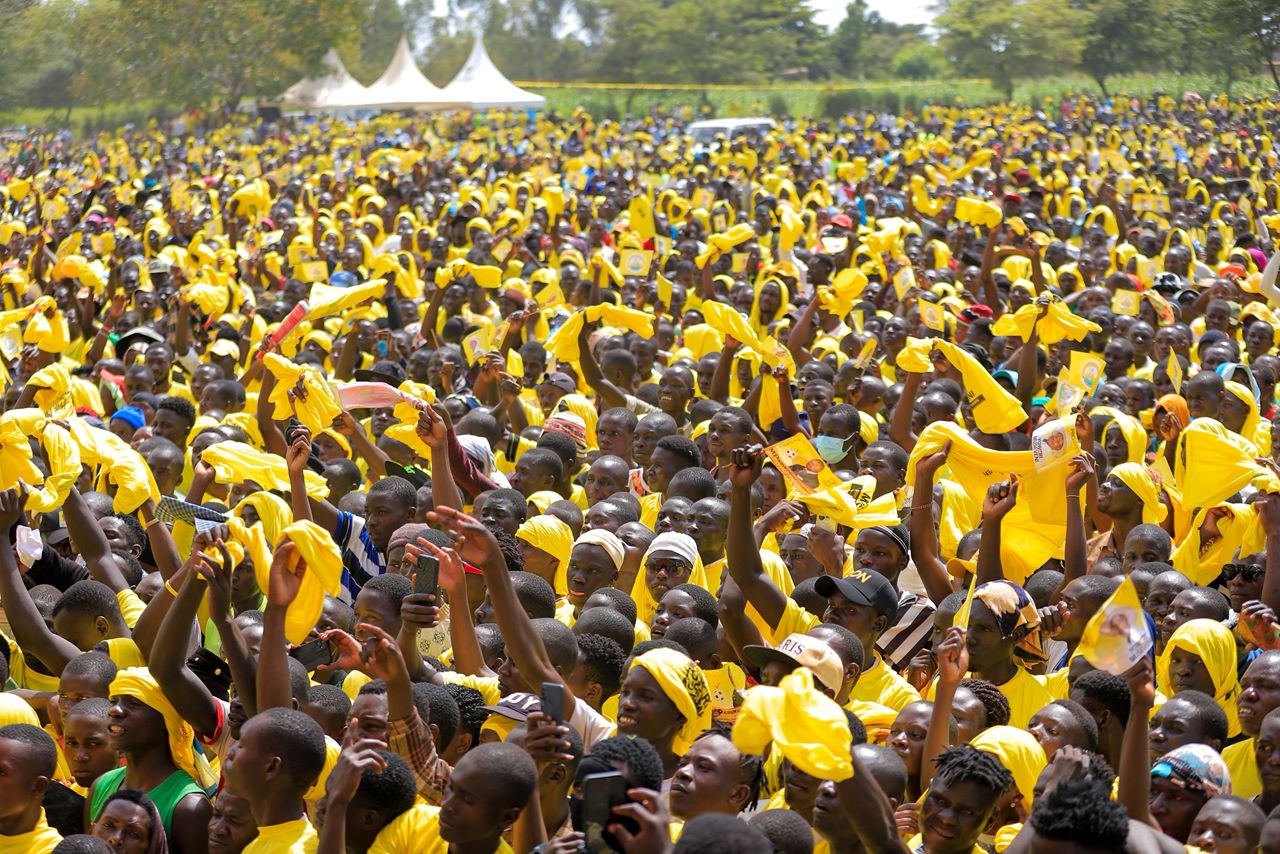
He added that jobs arise from wealth creation and productivity, not purely from government employment. “As I speak today, factories have employed 1.3 million people,” he said. “NRM is telling Ugandans to wake up, jobs come from wealth.”
On education, he reminded Kibuku residents that free schooling began in 1996 but has been undermined by illegal fees. He said Presidential Skilling Hubs have helped youth gain practical skills and new economic hope.
“One of the girls told me she was thinking of killing herself, but when she joined the skilling hub, she got hope,” he said. “In six months, they are producing items we used to import from China.”
He said free education must be strengthened after the elections to ensure that every Ugandan child can learn without barriers.
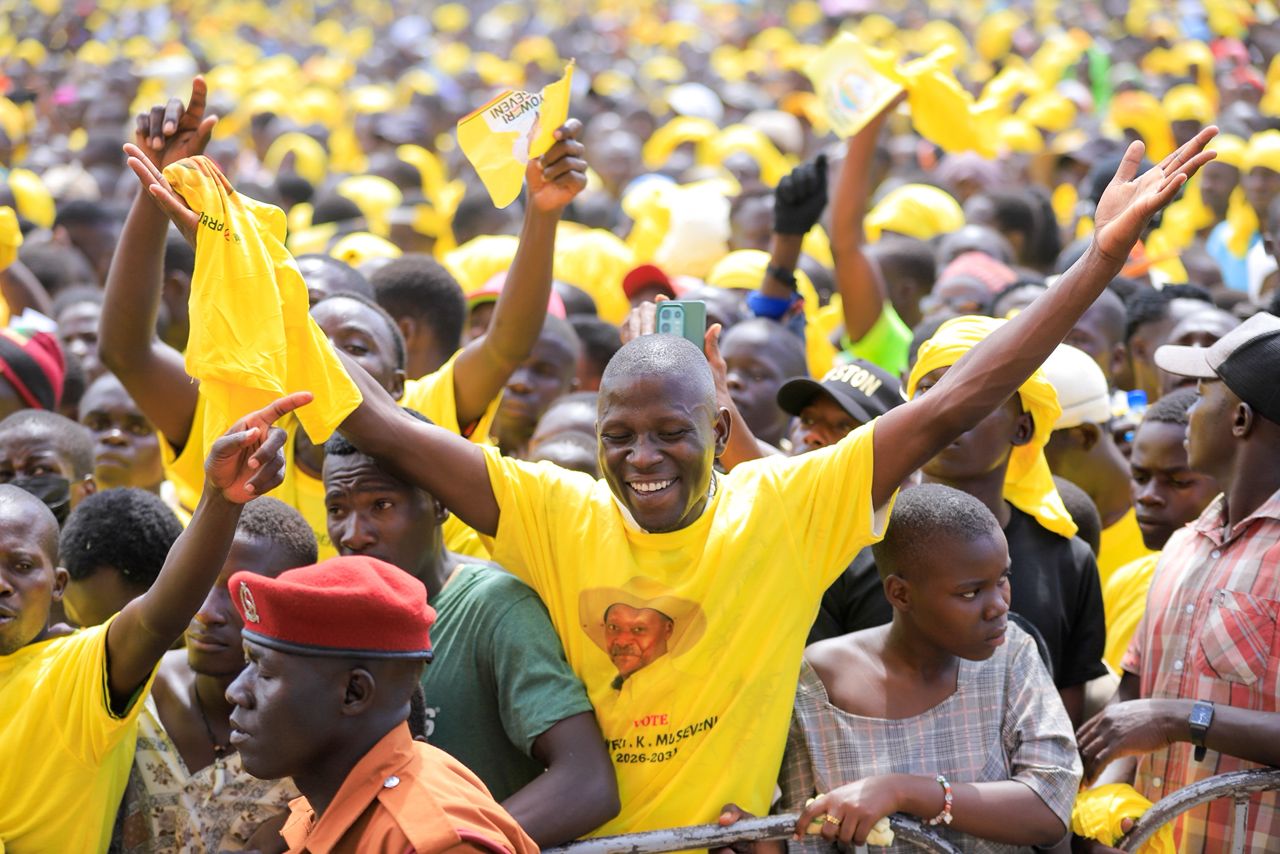
The President concluded by saying that Uganda’s progress must stand on five pillars: peace, development, wealth creation, jobs and education. He said these pillars must move together if the country is to achieve inclusive transformation.
NRM District Chairperson Hajji Shalif Ssebakaki thanked the President for the Presidential Skilling Hub and asked for its expansion to accommodate more learners.