
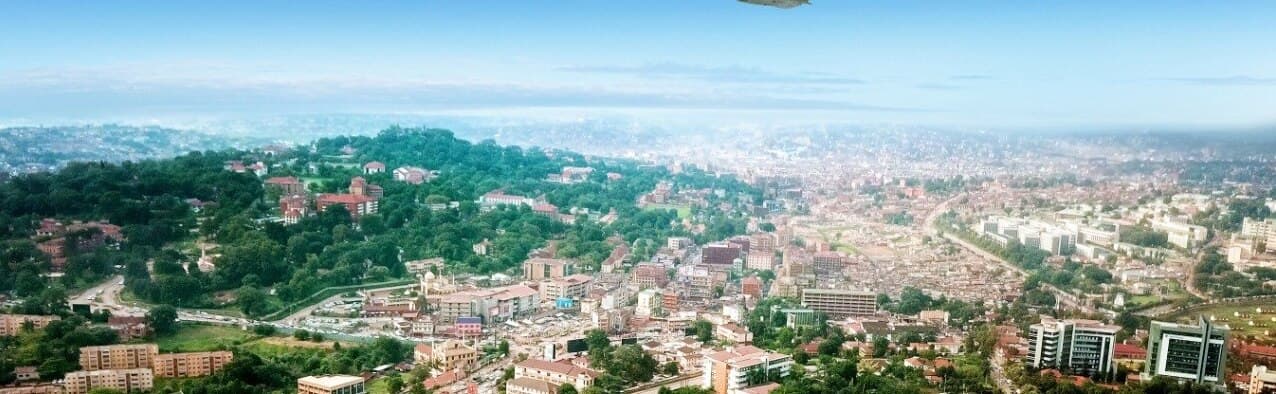
Makerere University researchers have warned that rapid and poorly planned development in Greater Kampala could worsen water shortages as expanding settlements encroach on wetlands and other vital water sources.
The researchers say the continued construction of homes, roads and commercial buildings without proper planning threatens natural water systems and could make supplying clean water to residents more difficult and expensive.
The warning follows the release of findings from a study titled Urban Expansion Model for Mitigating Water Scarcity in Greater Kampala Metropolitan Area (UREMWAS).
The findings were presented at Makerere University on October 28, 2026, during a meeting attended by government officials, researchers, urban planners and development partners.
The study's principal investigator, Dr Nestor Mugabe, said Greater Kampala's rapid population growth and physical expansion have increased pressure on existing water infrastructure.
He explained that construction in wetlands and water catchment areas disrupts natural drainage systems and weakens the environment's ability to store and filter water.
According to Dr Mugabe, the problem becomes more serious when settlements spread without proper coordination between physical planners and water service providers.
"The value of this model is in helping planners see the consequences of today's choices before those choices become difficult and costly to reverse," he said.
The researchers developed a model that examines population growth, settlement patterns, drainage networks, wetland coverage and water demand.
The tool allows authorities to predict how different development plans could affect water availability before approving major projects.
Dr Mugabe said water shortages do not always result from a single major event. Instead, they often emerge from several planning decisions whose combined effects become difficult to reverse.
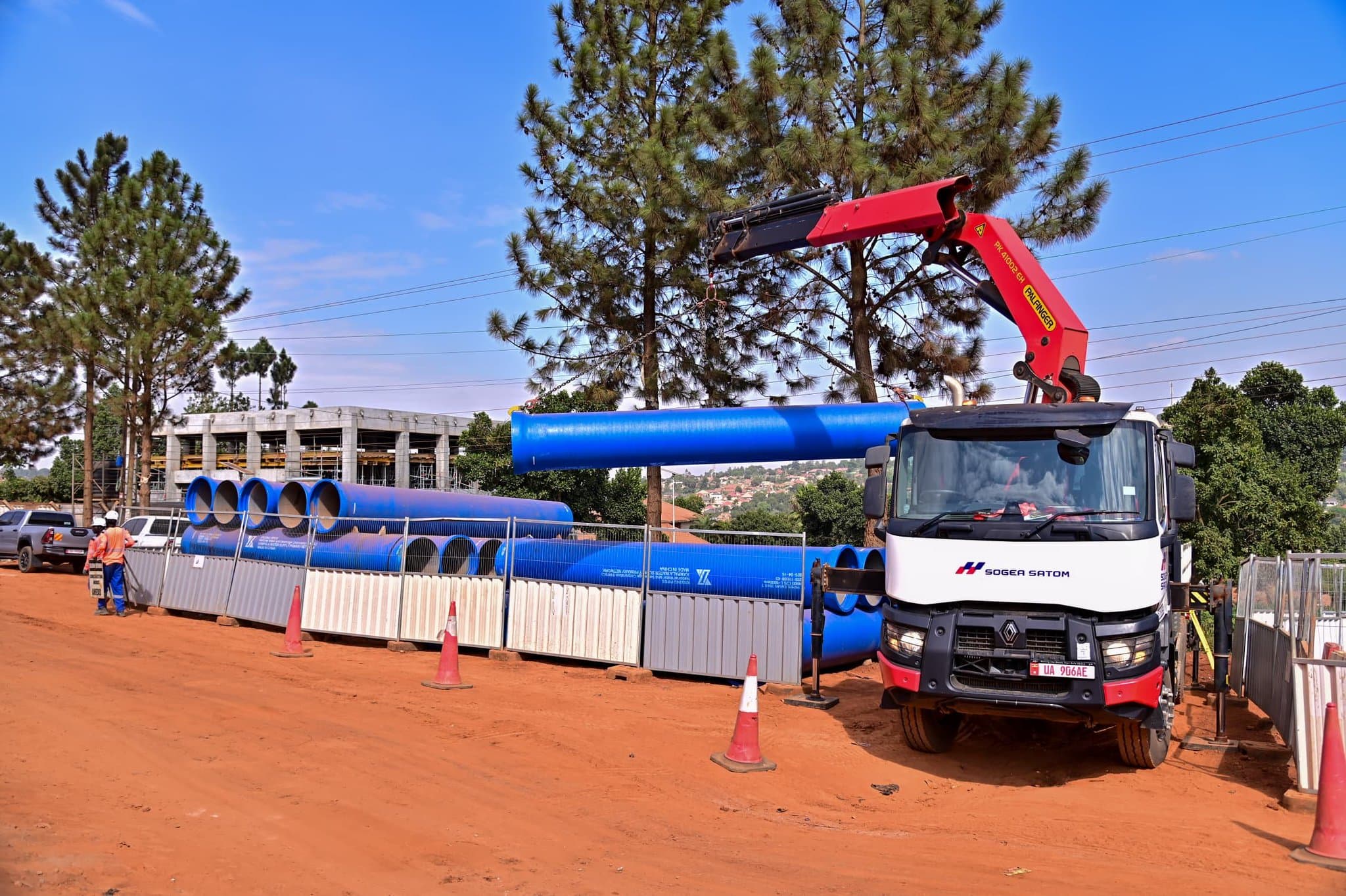
He noted that scattered settlements also increase the cost of extending piped water networks, leaving some communities struggling to access reliable supplies.
During the research, residents reported travelling long distances and paying high prices to obtain water.
The researchers recommended stronger protection of wetlands, better enforcement of physical planning regulations and investment in water infrastructure before new settlements expand.
Kampala Capital City and Metropolitan Affairs minister Hajjat Minsa Kabanda welcomed the findings and acknowledged the growing pressure on water services across the metropolitan area.
"Kampala's water challenges extend beyond administrative boundaries, so our response must be built on cooperation, shared evidence and responsible planning," she said.
Ms Kabanda said effective management of water resources requires cooperation between Kampala Capital City Authority, neighbouring local governments, water utilities and research institutions.
She pledged that her ministry would examine the findings and consider incorporating the model into its planning activities.
The minister also urged residents to stop destroying wetlands, conserve water and comply with physical planning regulations.
Representing Makerere University's vice chancellor, Prof Moses Musinguzi called on government agencies and development partners to use university research when making decisions on urban development.
He said the management of land, water resources and growing settlements requires reliable evidence rather than isolated decisions.
The university's director of graduate training, Prof Julius Kikooma, also urged researchers to develop practical solutions that can influence government policy and improve people's lives.
Participants recommended updating the model as Greater Kampala's population and land use change. They also proposed extending the research to other rapidly growing towns in Uganda.
The researchers warned that failure to protect water catchments and coordinate infrastructure development could leave future generations facing more severe water shortages and higher costs of supplying water.
The findings now await consideration by government agencies responsible for physical planning, environmental protection and water supply.