
Government plans to ease water shortages in Kampala’s western and southern suburbs through a Shs694 billion project that will serve more than one million people.
The Wakiso West Water and Sanitation Project will draw water from Lake Victoria at Bwerenga. It targets fast-growing communities where demand has outpaced supply, forcing some households to rely on rationing or buy water from wells.
Beneficiaries include residents of Kyengera, Nsangi, Kajjansi, Kasanje, Kiringente, Wakiso Town Council and Mpigi Town Council. The project will also cover the Entebbe Road corridor and communities between Entebbe, Masaka and Mityana roads.
About 160,000 intended beneficiaries live in informal settlements.
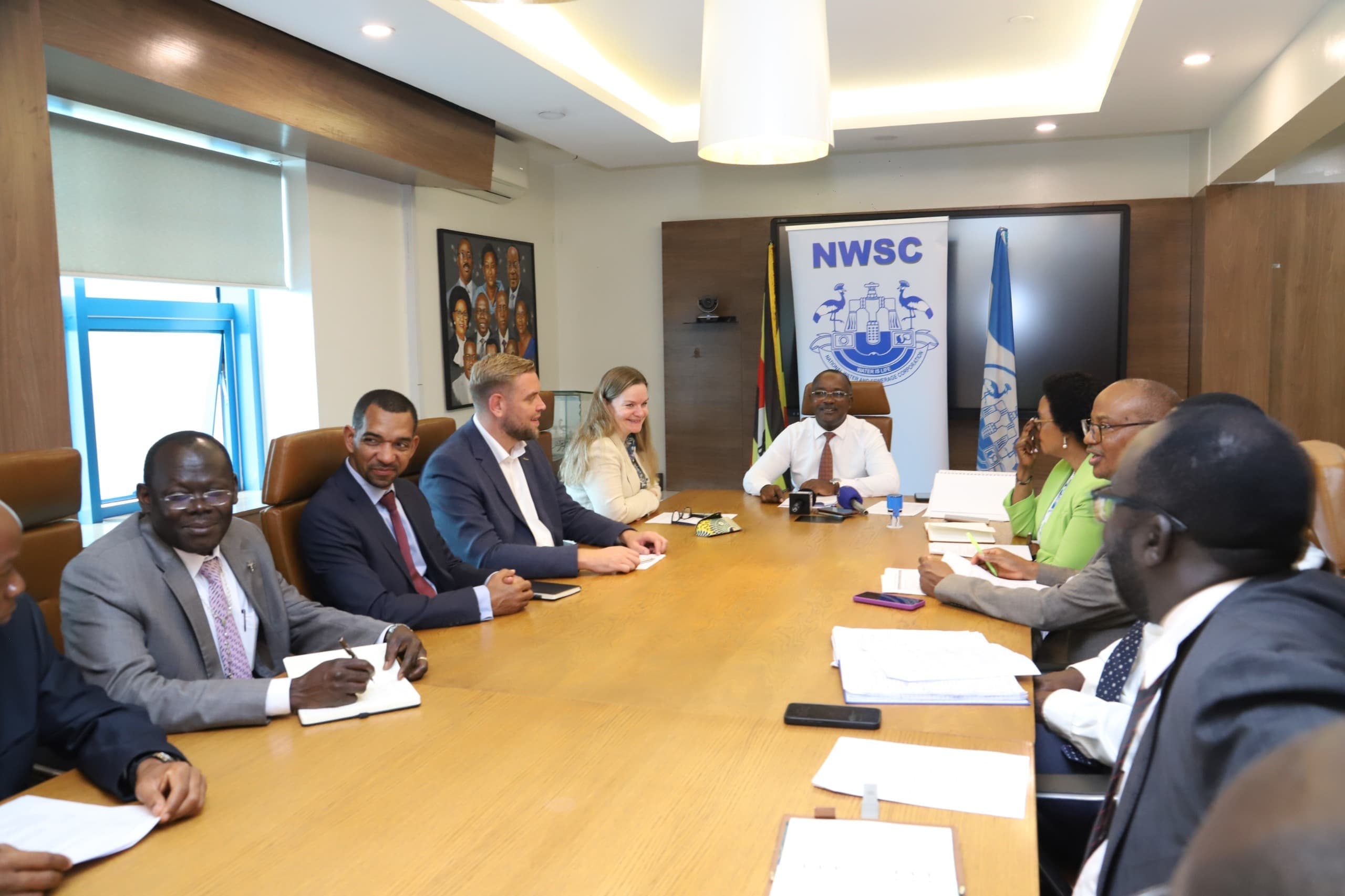
National Water and Sewerage Corporation (NWSC) signed a consultancy contract worth about Shs47.5 billion, excluding taxes, on Tuesday. The agreement covers engineering designs, tender documents and construction supervision.
Danish firm NIRAS A/S and Germany’s Fichtner GmbH & Co. KG secured the contract through a joint venture. Uganda’s M&E Associates Ltd and Alliance Consultants Ltd will support them.
NWSC managing director Dr Silver Mugisha said the project would give more than one million people a steady supply of safe drinking water.
Kampala’s main treatment plants at Ggaba and Katosi sit on the eastern side of the city. Water must travel long distances through an ageing network to reach western suburbs, where population growth has increased demand.
Communities supplied through Ggaba, including Kyengera, Mutundwe, Lubowa, Buziga and Munyonyo, have faced supply interruptions. Some receive water on selected days.
In August, Kyengera residents told NTV Uganda they paid between Shs1,000 and Shs2,000 for a jerrycan of water from wells.
The planned Bwerenga treatment plant will produce 62.5 million litres daily. Its lake intake will accommodate up to 200 million litres a day, allowing room for future expansion.
The project includes 94.2 kilometres of transmission pipes and 78.5 kilometres of secondary pipes. Five reservoirs at Kaga, Nsangi, Nanziga, Mpigi and Bukasa will hold more than 15.25 million litres combined.
NWSC also plans pumping stations at Buloba, Katende, Maya and Ssekiwunga. The distribution network will cover 4,300 hectares.
For informal settlements, the corporation plans 941 community water dispensers and yard taps fitted with electronic prepaid meters. Mugisha said these facilities would improve access and affordability in underserved communities.
Sanitation works include a faecal sludge treatment plant on Ssekiwunga Road in Kajjansi. It will handle at least 400,000 litres daily. Solar installations at selected project sites will generate at least 2,945 kilowatts.
Mugisha said the treatment plant would curb unsafe waste disposal and reduce contamination of water sources.
However, residents face a wait before the new supply becomes available.
Detailed designs and tender documents will take 20 months. NWSC expects to sign the construction contract in the 19th month. Construction will then take 30 months, followed by a 12-month period for correcting defects.
An Impact Fund Denmark grant will cover the first consultancy phase, worth about Shs20 billion. A concessional loan with a 50 per cent grant component will finance the second phase, valued at about Shs27.6 billion.
The investment forms part of NWSC’s wider effort to close Greater Kampala’s water supply gap. Other works include new pipelines and reservoirs to carry more water from Katosi to communities north of the city.