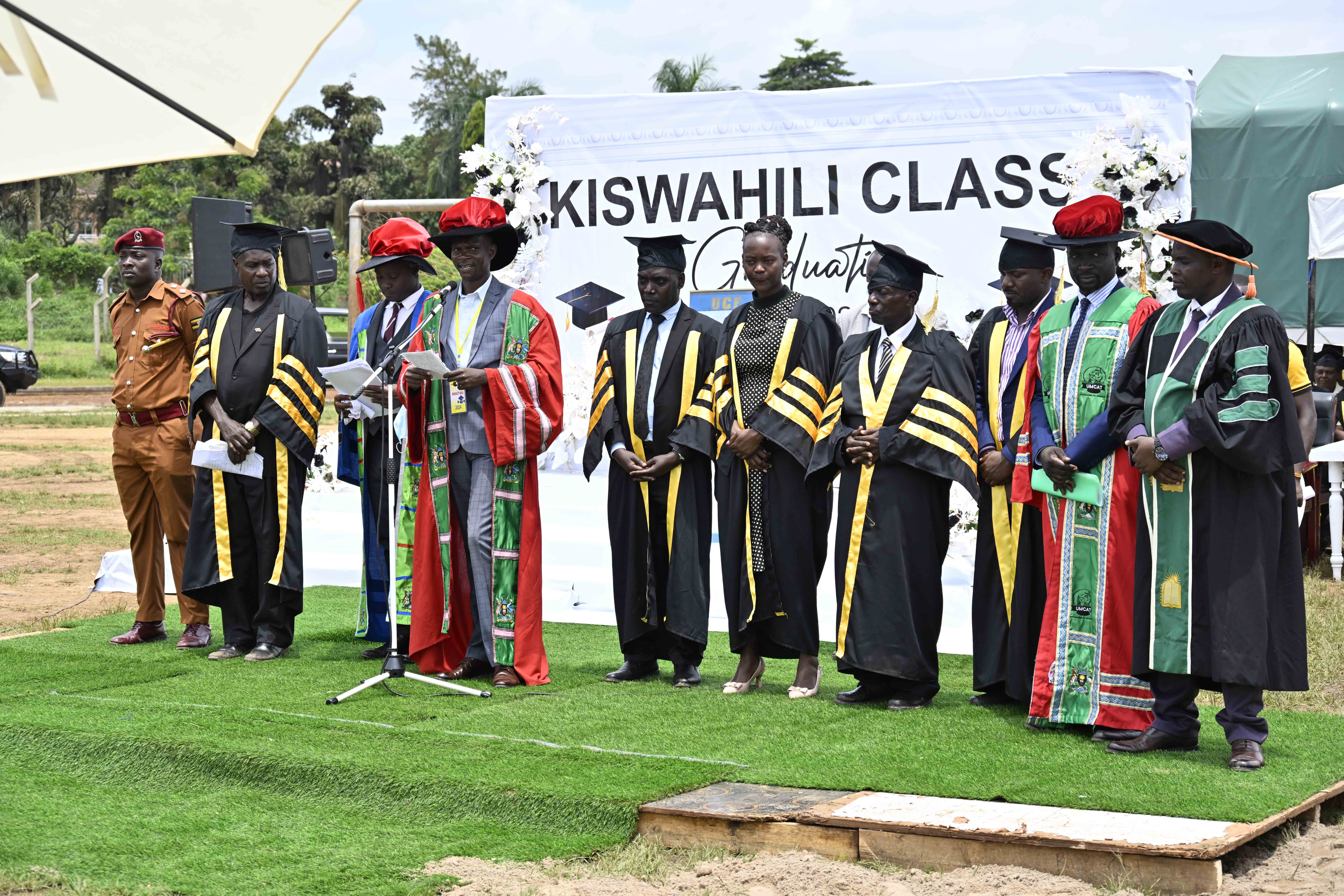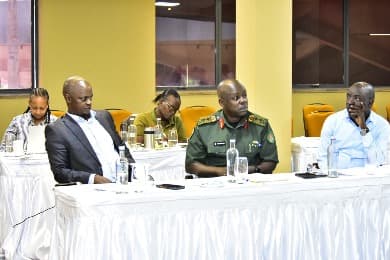
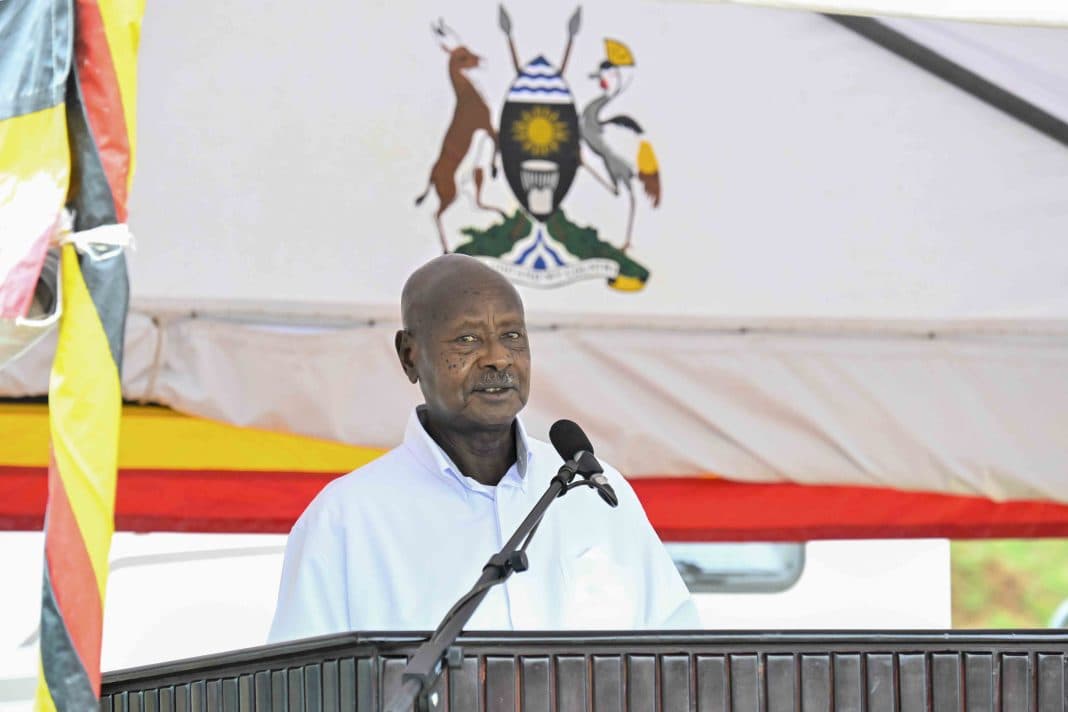
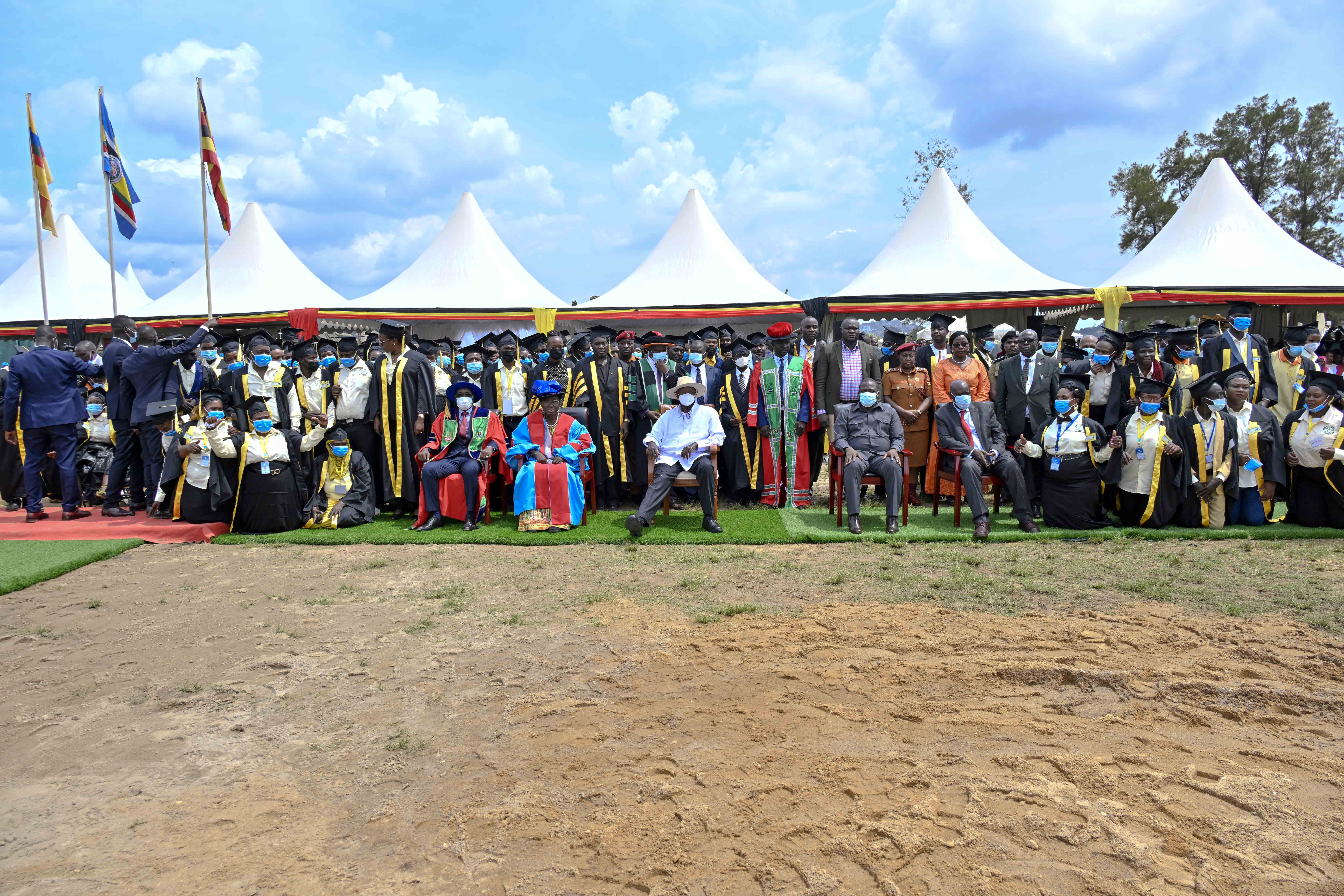
President Yoweri Museveni has urged East Africans to embrace Swahili as a regional language, positioning it as a unifying tool for economic and social integration across Africa. Speaking at the graduation of 304 Swahili language trainees at Kyambogo University, Museveni highlighted the continent’s cultural similarities as an opportunity to foster Swahili’s growth.
“We can use Swahili as a core to build a very powerful international language by adding words from local dialects,” Museveni said, noting how he has personally contributed terms like emyoga—skills in trades like carpentry and tailoring—to enrich the language.
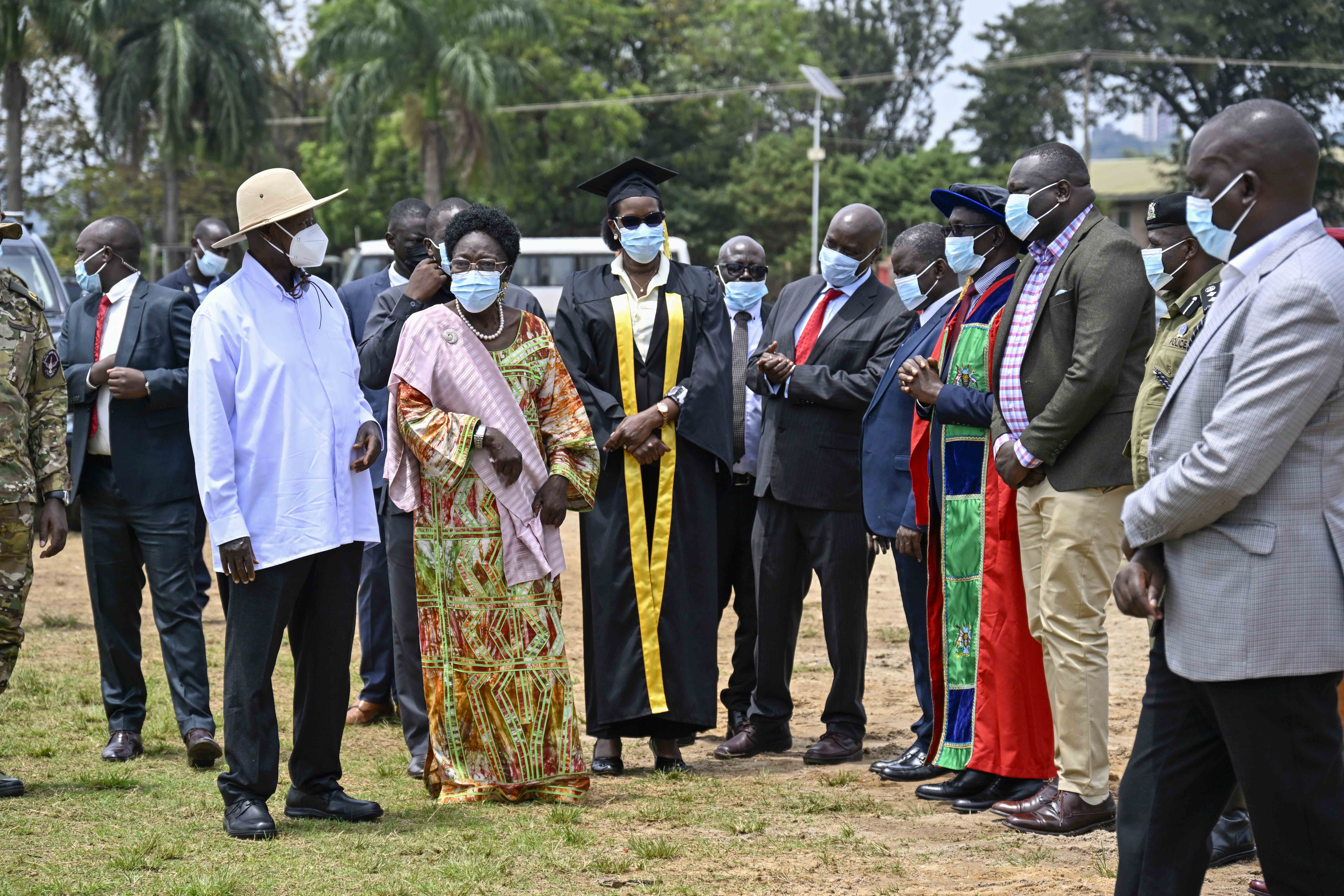
First Deputy Prime Minister and Minister for East African Community Affairs, Rebecca Kadaga, credited Museveni’s commitment to Swahili and addressed misconceptions about its adoption. “This activity proves that people will continue speaking their languages alongside Swahili,” Kadaga stated, emphasizing the program’s alignment with integration goals.
NRM Secretary General Richard Todwong, who initiated the program, acknowledged the language’s job-market importance within East Africa. “There’s a lot of demand for Kiswahili in Uganda,” Todwong said, adding that many job-seekers struggle due to language barriers. He praised the Ministry for East African Community Affairs’ role in the program's success, noting regional colleagues have congratulated Uganda’s progress in promoting Swahili.
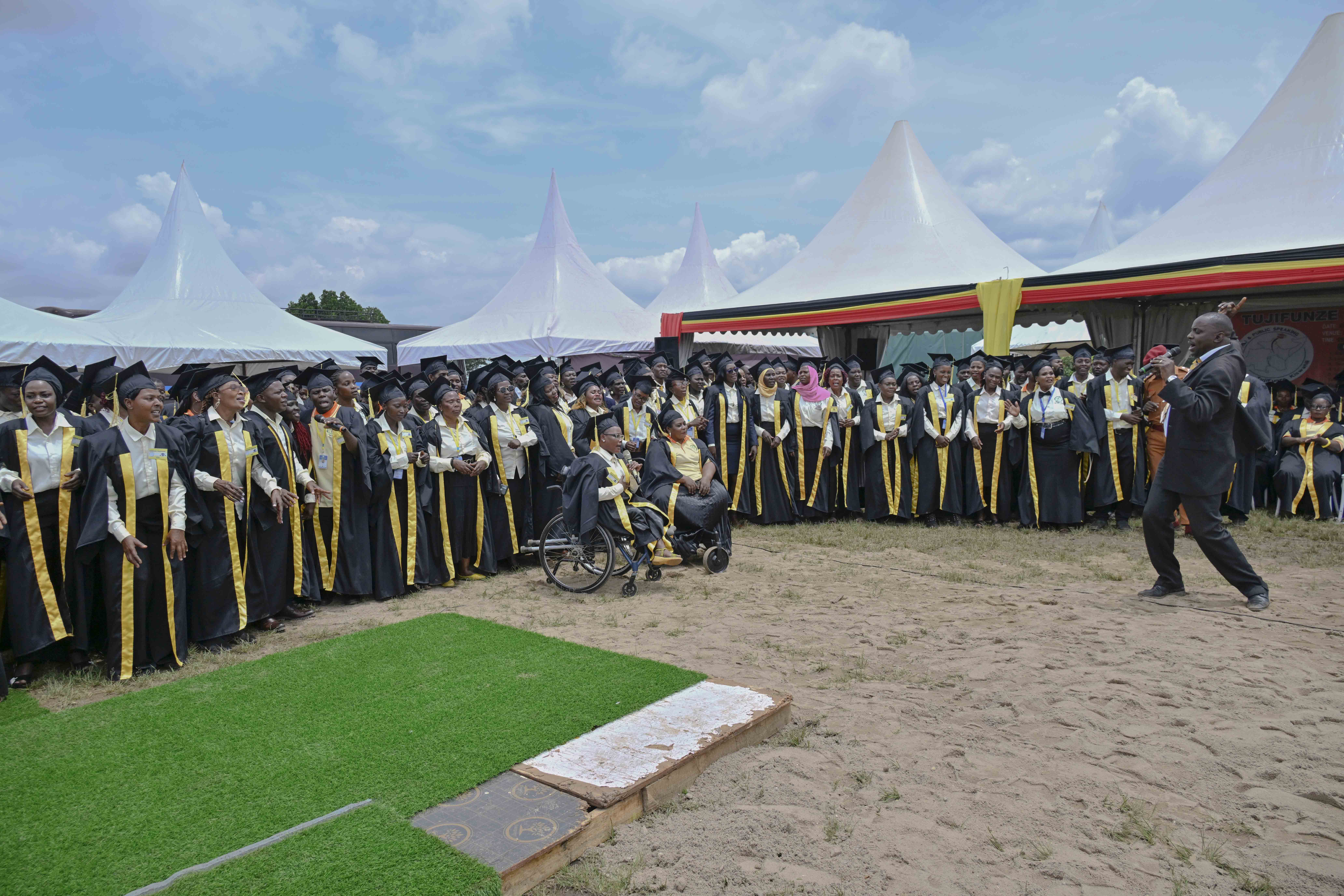
The program will now select 150 graduates for an additional year of training, preparing them to teach Swahili in districts nationwide. Stephen Bwire, the program’s national coordinator, stated, “The goal is that in the next 10 years, at least 50% of Ugandans will speak Swahili.”
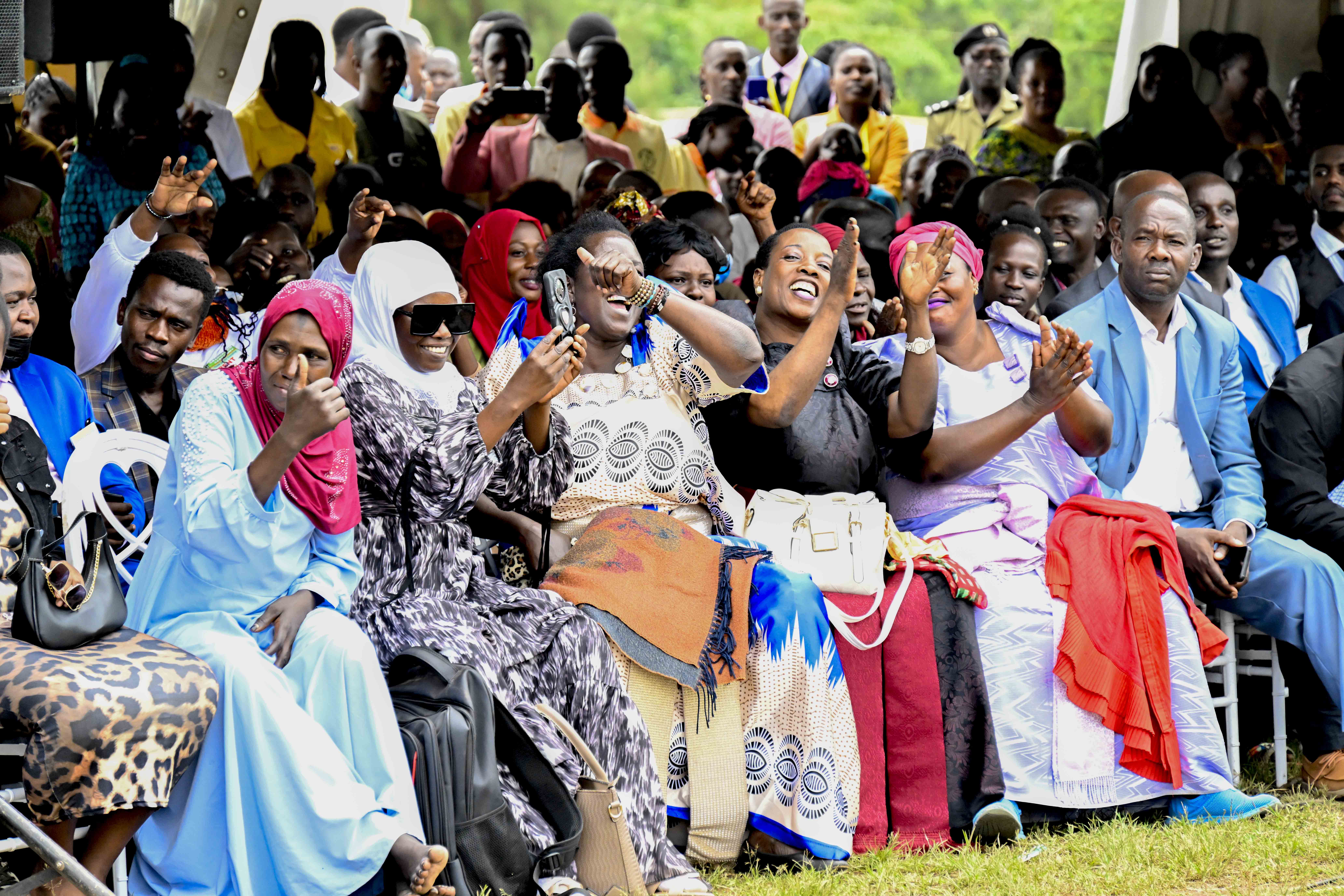
The event also included remarks from leaders of the Kiswahili instructional program and officials from the NRM secretariat, reinforcing Swahili’s role as an essential part of Uganda’s integration into East Africa’s cultural and economic landscape.