
Regional experts from East African Community (EAC) Partner States met in Kigali, Rwanda, to push forward plans for cross-border trading of government securities.
The meeting brought together officials from Ministries of Finance, Central Banks, Capital Markets Authorities, Securities Exchanges and the EAC Secretariat. They reviewed progress and explored ways to strengthen regional financial integration.
Dr Moise Bigirimana, Executive Director for Financial Sector Conduct and Development at the National Bank of Rwanda, said the initiative is key to deepening capital markets in the region. He stressed the need for a coordinated approach among Partner States.
“A coordinated regional approach is essential for the successful implementation of cross-border trading of government securities,” Bigirimana said. “I urge Partner States to fully implement the Council Directives within their national legal and regulatory frameworks. Institutions should also align their internal processes to support cross-border trading, while the Regional Technical Working Group should continue to serve as a platform for peer learning and knowledge sharing.”
Experts had earlier agreed on key pillars to support cross-border trading. These include strong market infrastructure and a shared regional trading model. The Kigali meeting assessed whether existing EAC Council Directives on Securities Markets support these proposals.
Mr Dickson Ssembuya, Chairperson of the meeting and Director of Research and Market Development at Uganda’s Capital Markets Authority, called for stronger market integration and alignment with global standards. He said free movement of capital remains a core commitment under the EAC Common Market Protocol.
“The free movement of capital, as provided for under the EAC Common Market Protocol, remains one of the most important commitments made by Partner States to citizens and investors,” Ssembuya said. “As we advance regional integration, it is essential that our discussions are guided by international best practices. Many of the challenges we face in integrating our securities markets are not unique to the EAC, and we can learn valuable lessons from other regional blocs that have successfully implemented similar reforms.”
The Council Directives on Securities Markets, introduced between 2015 and 2017, aimed to harmonise rules across the region. However, experts noted the need to review them to reflect market changes, new technology and global standards.
During the meeting, the Regional Technical and Legal Working Group reviewed key directives covering secondary trading, public debt offers, regional listings, central securities depositories and securities exchanges. The review produced recommendations to improve legal clarity, align regulations and speed up market integration.
The Technical Working Group will now submit its recommendations to the EAC Monetary Affairs Committee, the Committee on Fiscal Affairs and the Capital Markets, Insurance and Pensions Committee for further review.
Once approved, the EAC Secretariat will support Partner States to implement the revised directives. The goal is to enable smooth cross-border trading of government securities across the region.
 Regional
Uganda Pledges Military Air Rescue Assets to Strengthen East Africa Standby Force
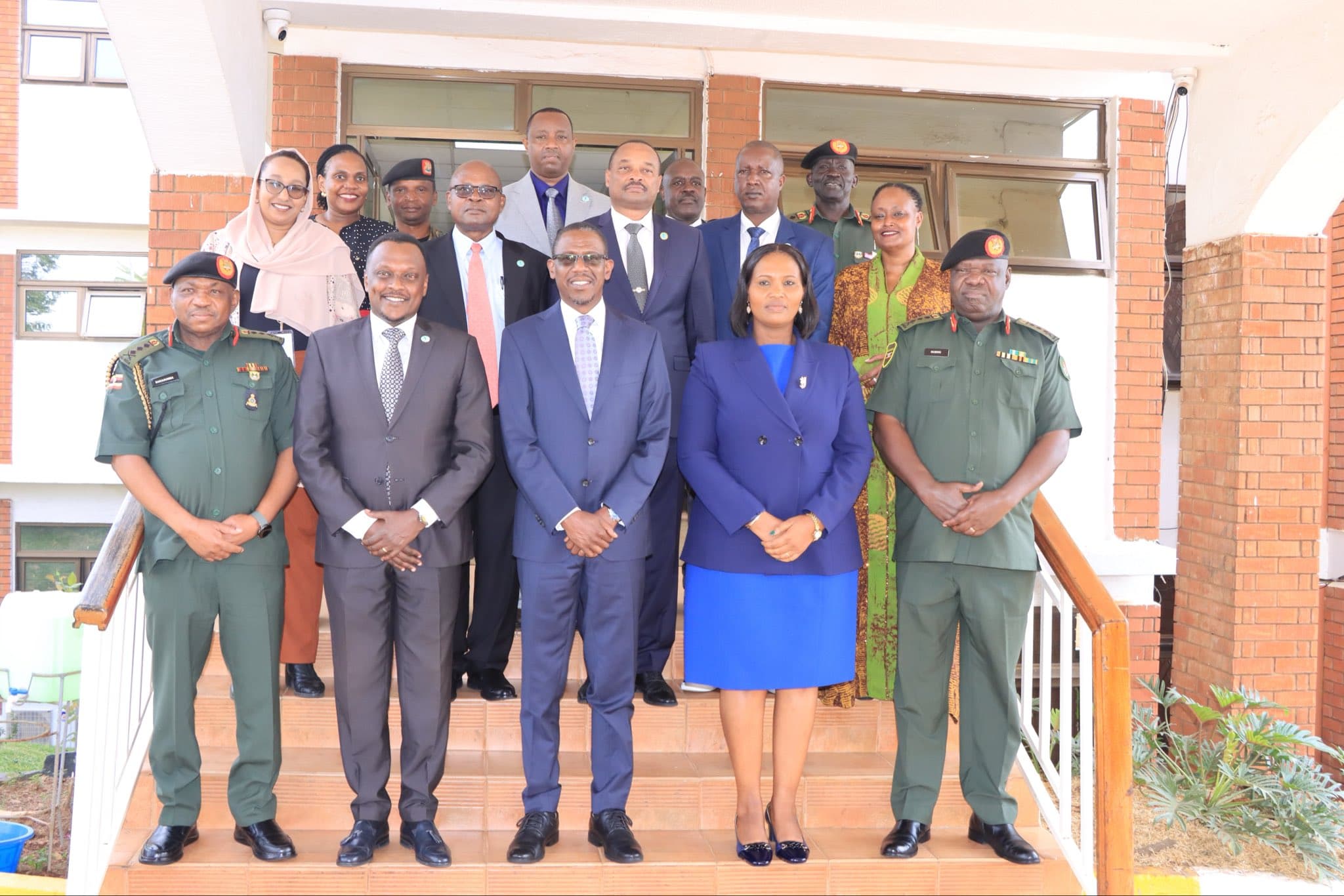
Uganda has committed its military search and air rescue capabilities to the Eastern Africa Standby Force, filling a critical strategic gap in regional peacekeeping, emergency crisis response, and disaster management.