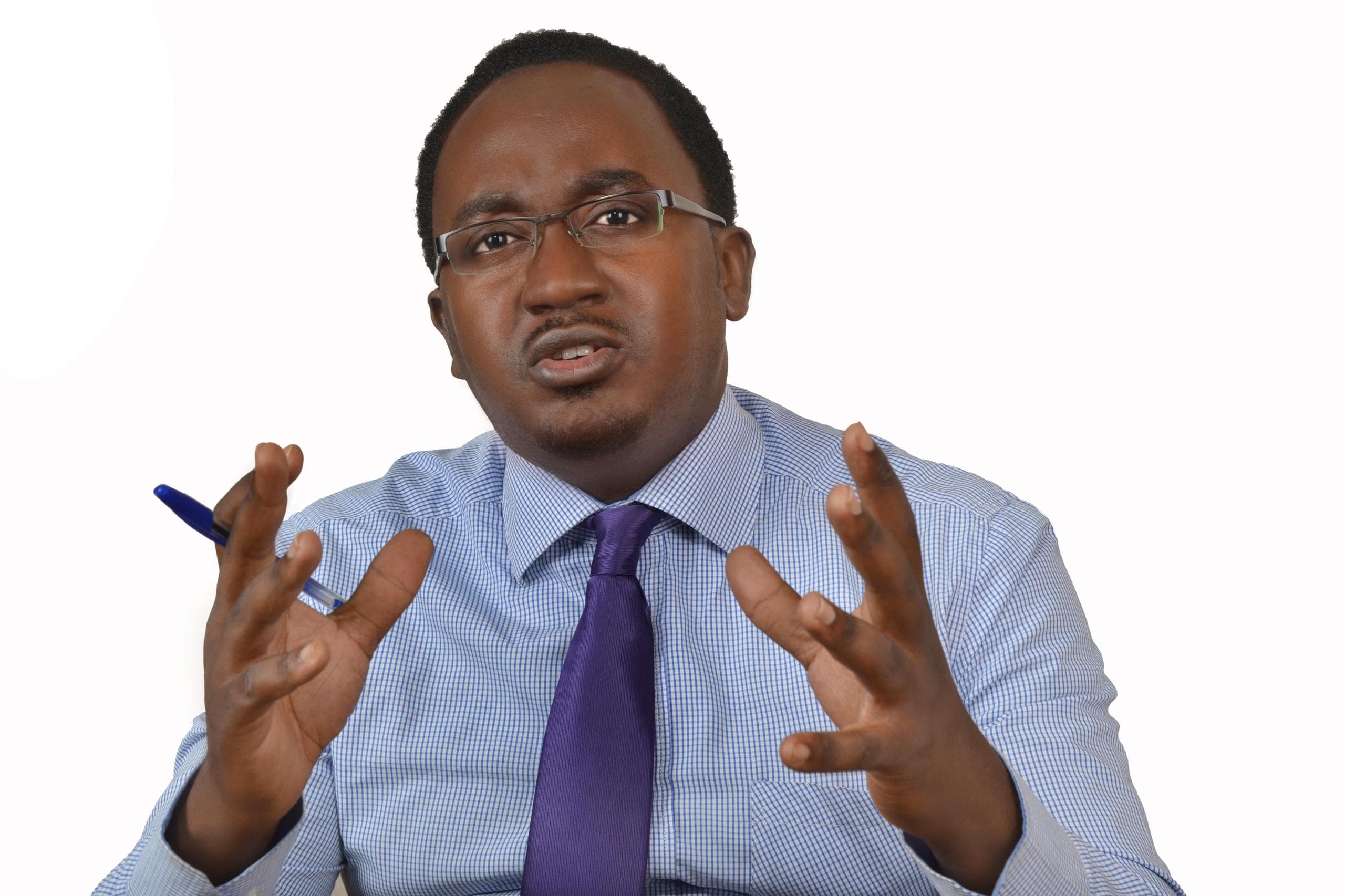
By Crispin Kaheru
Nation-building is like construction. Different leaders play different roles. Some break ground. Others raise the walls. Others will one day roof. Yet history often praises the finished building. It forgets the hands that dug the foundation. The real story begins long before the finishing mouldings appear.
Let’s return to the basics. In many countries, the first phase of nation-building looks slow, tedious, even underwhelming. It is about stabilising, holding together, and preventing reversal. It is messy. It is contested. But without it, nothing durable stands. The second phase is different. It is sharper, more visible. It enforces order, demands efficiency, and converts potential into performance.
Consider Mao Zedong and Deng Xiaoping. Mao unified China and asserted sovereignty amid fragmentation and foreign intrusion. His era was turbulent, but it laid the foundation of a single, assertive state. Deng came later. He fought different battles, disciplining the economy, opening China to the world, and building systems that turned foundation into power. He shifted the focus from ideology to results, from struggle to structure.
Or take Jawaharlal Nehru and P. V. Narasimha Rao. Nehru held together a vast, diverse, newly independent India, investing in identity. Decades later, Rao confronted stagnation, liberalised the economy, and set India on a growth path. The foundation made reform possible; reform gave it meaning.
In Singapore, Lee Kuan Yew is often credited with doing both, laying the foundation and building the structure. Bust still, his successors sustained and sharpened the system. Discipline became culture. Efficiency became habit over time, on a carefully built base.
Closer home, Julius Nyerere built unity and identity in Tanzania, emphasising cohesion, language, and stability in a fragile post-colonial moment. Years later, leaders like John Pombe Magufuli took a firmer line, cutting waste, demanding performance, and confronting corruption head-on. His toughness rested on an already secure foundation.
These examples point to a pattern. The first generation secures the state. The next organises it. The first stabilises. The second disciplines. The first absorbs shocks. The second demands performance.
Uganda’s journey fits this pattern. In 1986, the country emerged from instability, conflict, and institutional breakdown. The immediate task was never perfection. It was survival. It was restoring security, rebuilding the state, and creating direction. That phase required grandfatherly patience, coalition-building, and, at times, compromise. It laid a foundation. A foundation that was evolving, resilient, essential.
That foundation has held. Uganda today is not the Uganda of the 1980s or the 70s or the 60s. It is more stable, more connected, more institutionally defined. But, like many systems that mature over time, it has accumulated inefficiencies. Informality has crept into formal structures. Corruption has found space. Some have learned to game the system.
The challenge has shifted, from building the state to refining it. And this is where a new phase begins.
Across Kampala and beyond, the signs are visible. Pavements are being reclaimed. Road reserves are being cleared. The sirens of entitlement are fading. Enforcement is tightening. Corruption is losing its comfort. And once corruption becomes risky rather than routine, the system begins to turn.
There is also a shift in leadership style; more direct, more visible, more engaged. Signals are clearer. In an age where perception shapes reality, clarity of intent matters. It reassures some. It unsettles others. But it sets direction.
Uganda is entering a phase where the focus shifts from stability to discipline. From foundation to structure. This phase demands clarity, consistency, and courage. It requires leaders willing to tighten systems, confront inefficiency, and make difficult decisions that may not always be popular, but indeed necessary.
If history is a guide, this phase can be transformative. Nations that move successfully from foundation to structure often see their most visible progress here. Systems begin to work. Institutions begin to deliver. Citizens begin to feel the difference.
Uganda’s story, then, is not one of abrupt change, but of evolution, a foundation laid over decades, a structure now rising upon it. And as with all construction, the real test is not the speed of building, but the strength of what finally stands.
The writer is a member, Uganda Human Rights Commission (UHRC)